
Workshops in Paris
Learn from the masters crafting leather, perfumes, paper, and pastries.
Browse by workshop types
1 z celkem 1 stránek


Paris workshops under $40
Explore budget-friendly workshops in the city.
1 z celkem 1 stránek

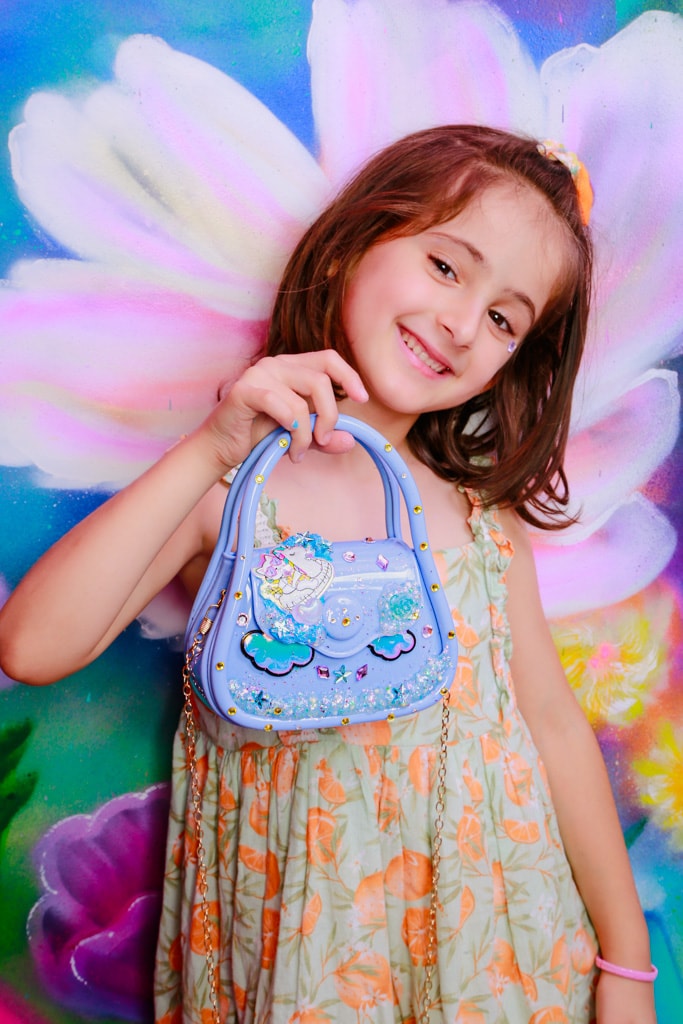
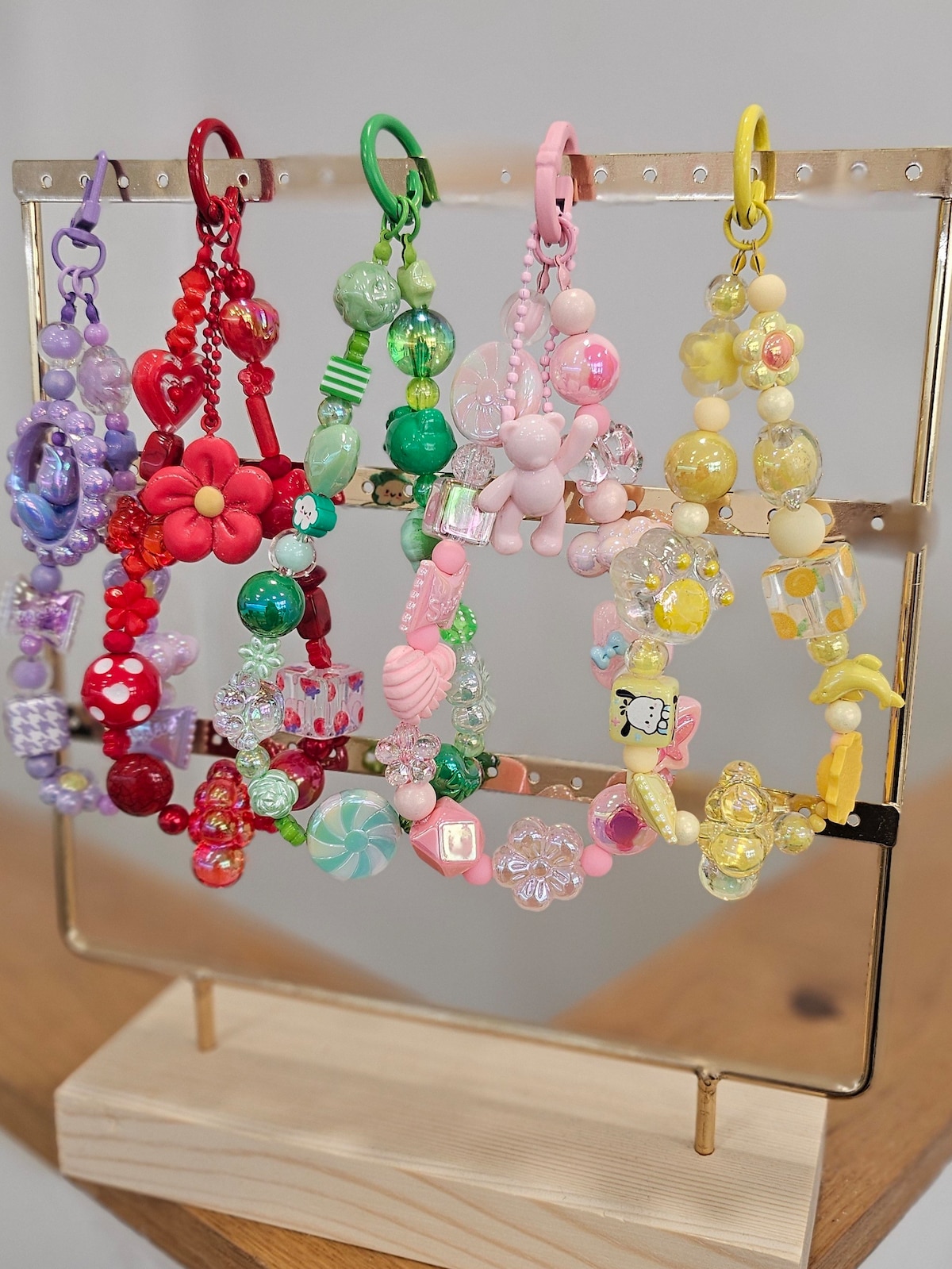
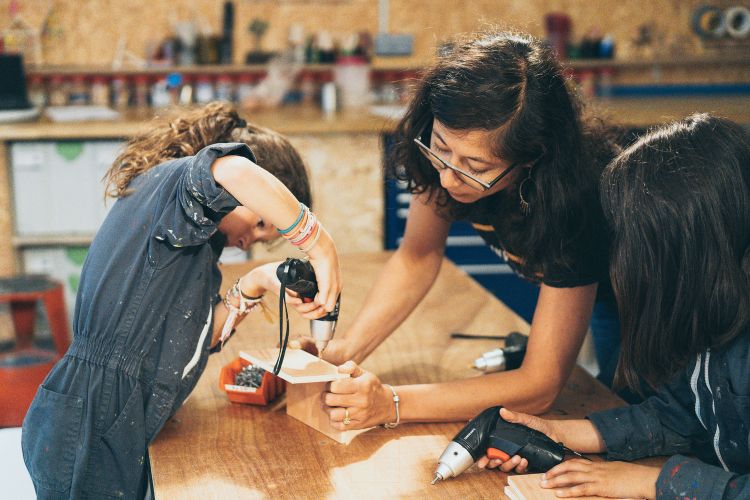
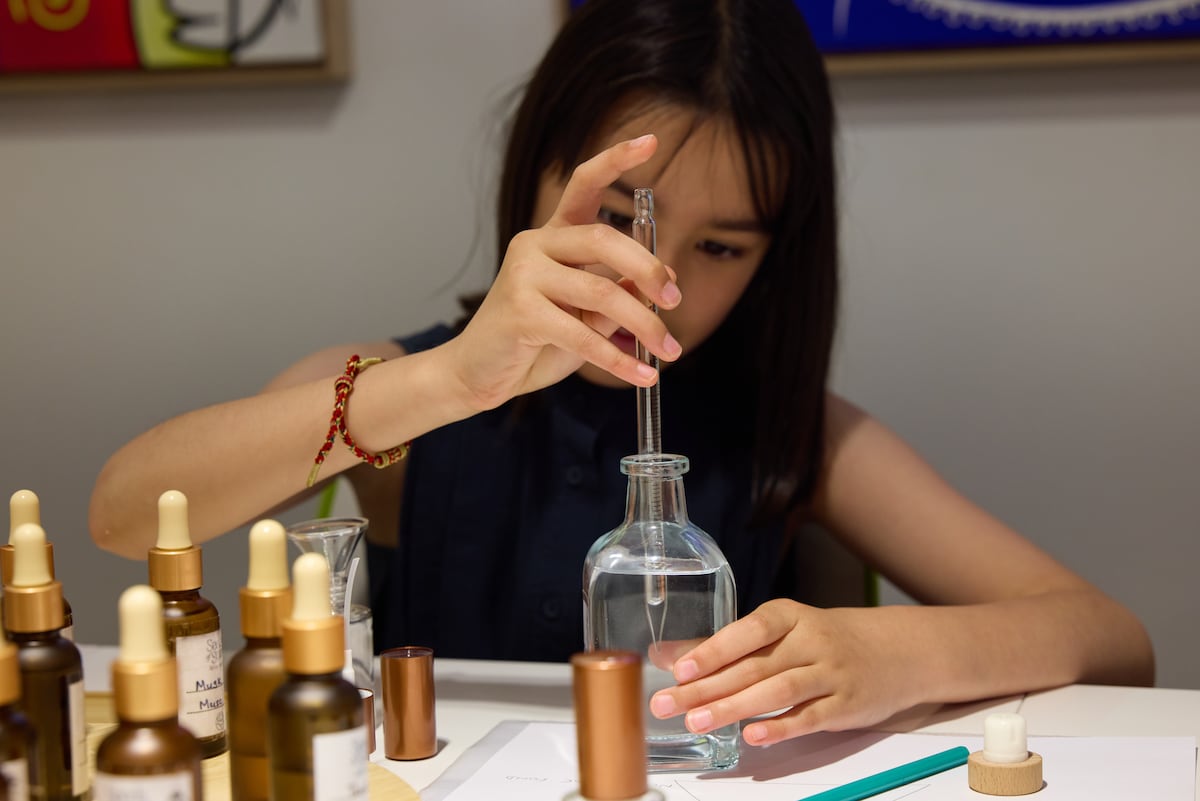
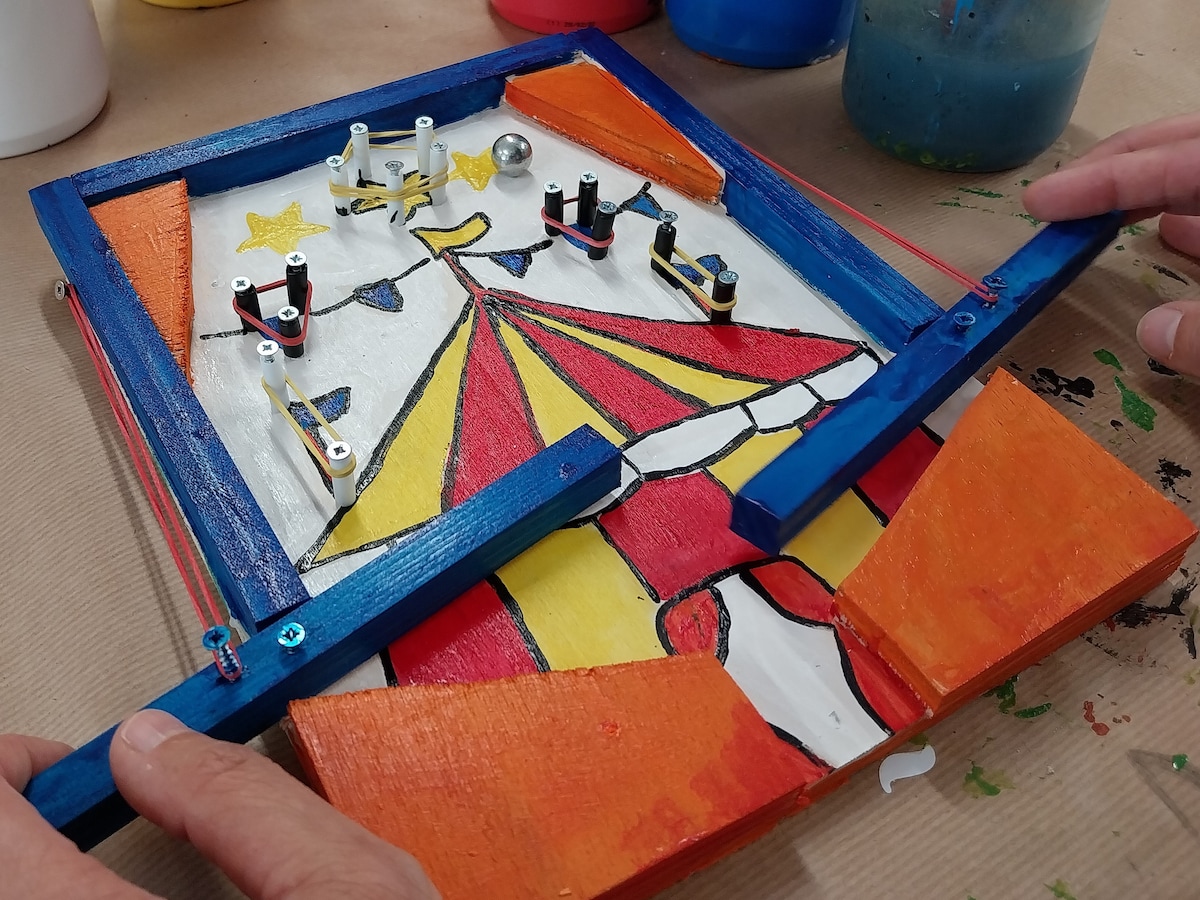
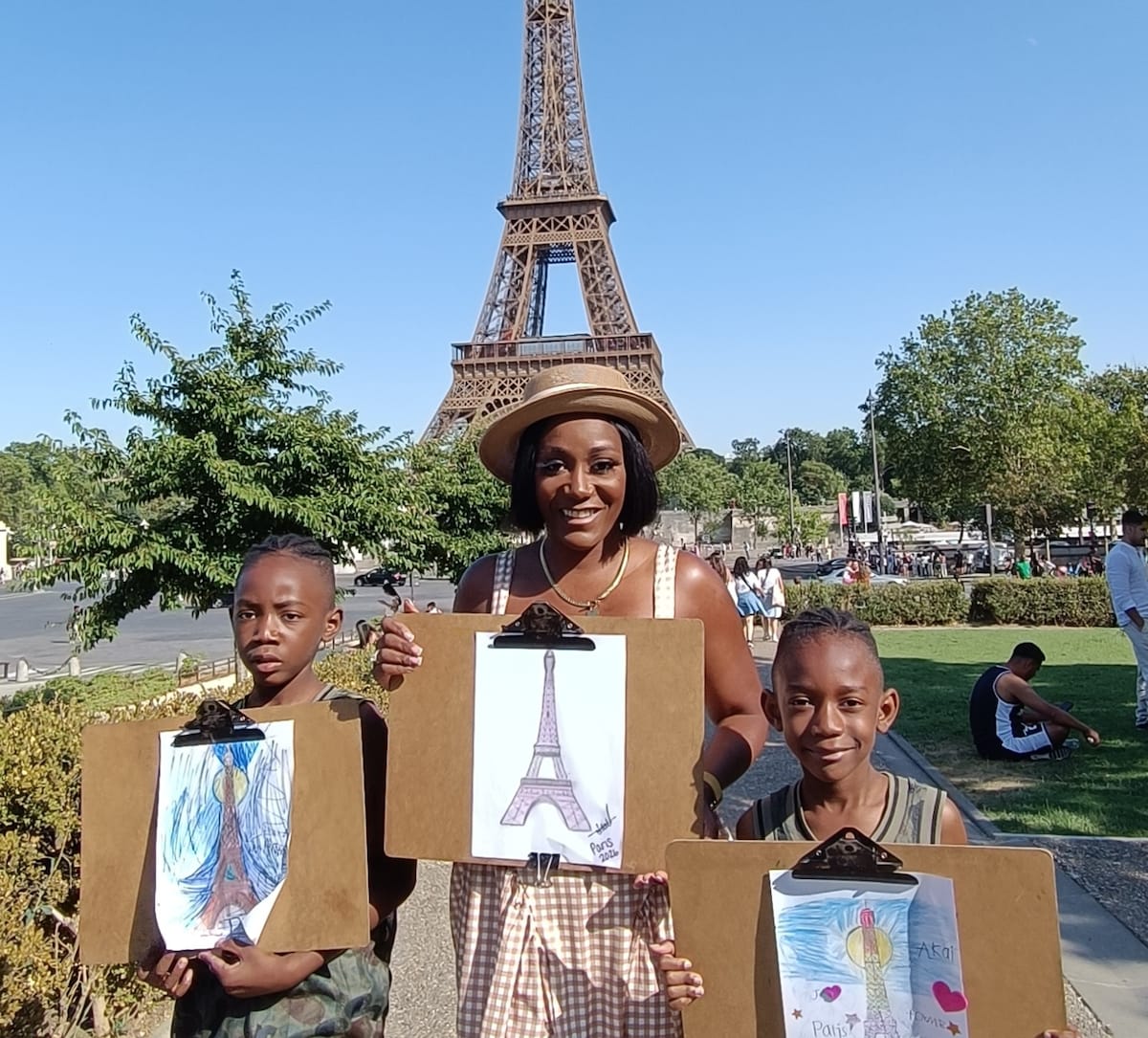

Paris workshops for kids
Find fun, wonder, and discovery for every age.
1 z celkem 1 stránek
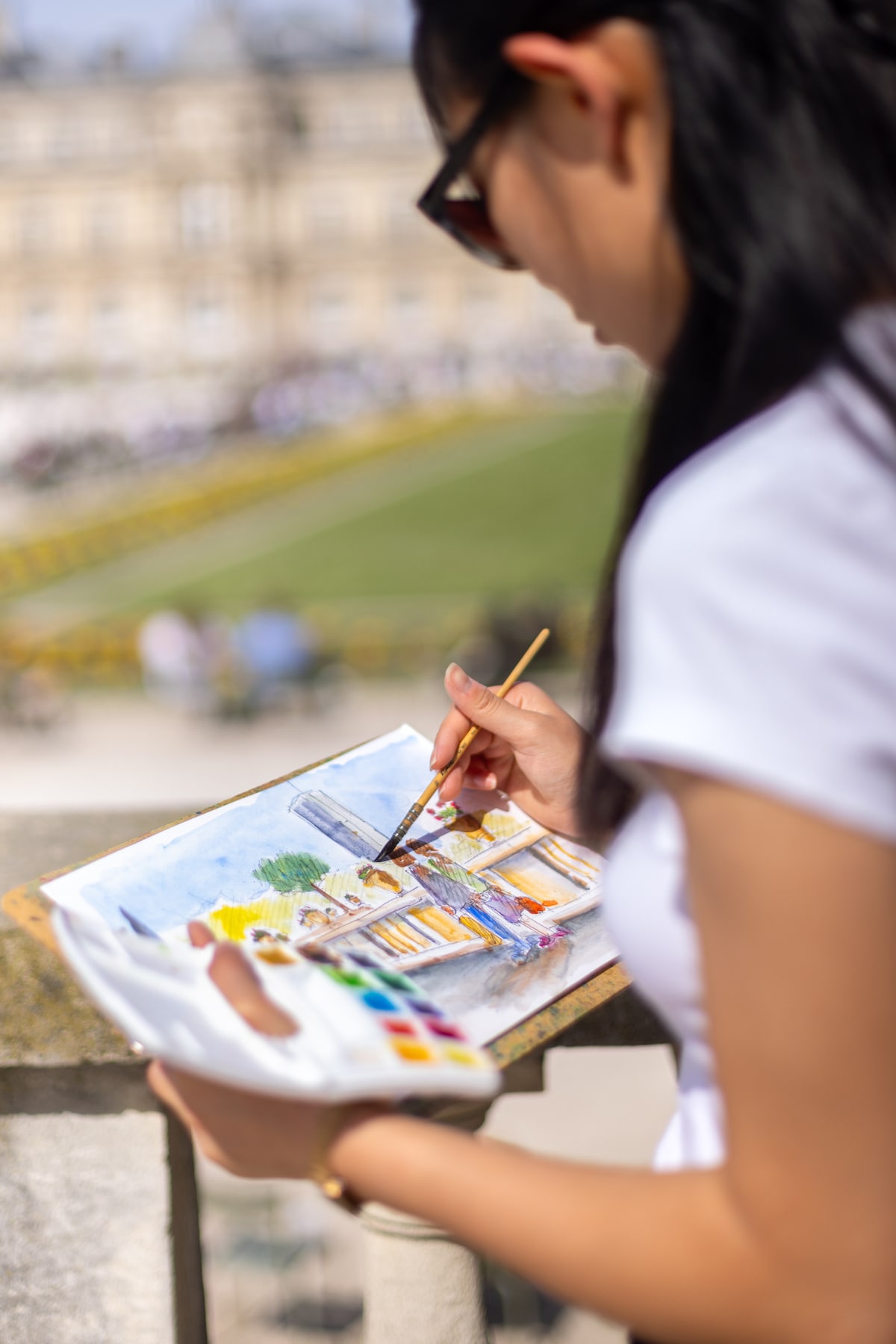
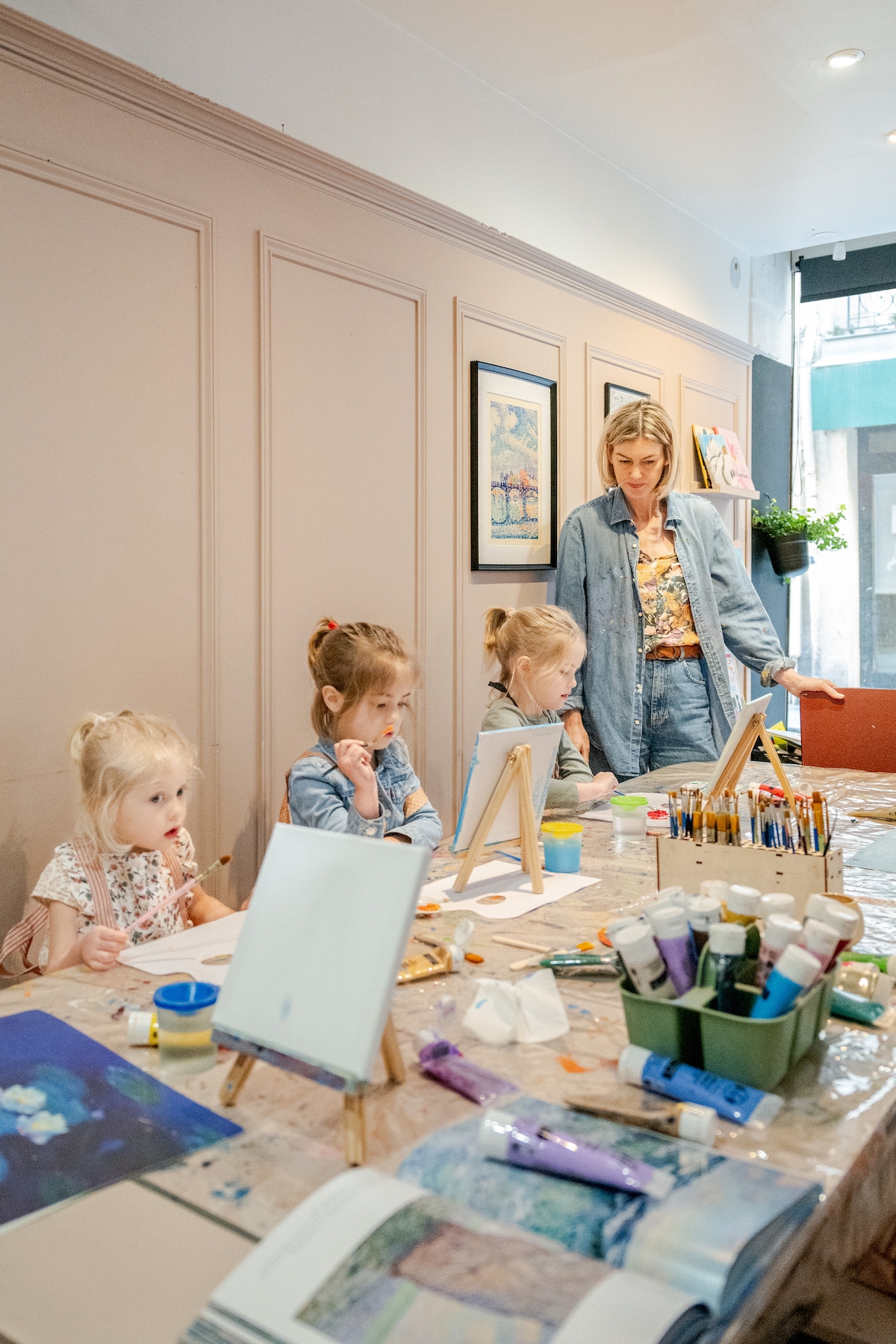
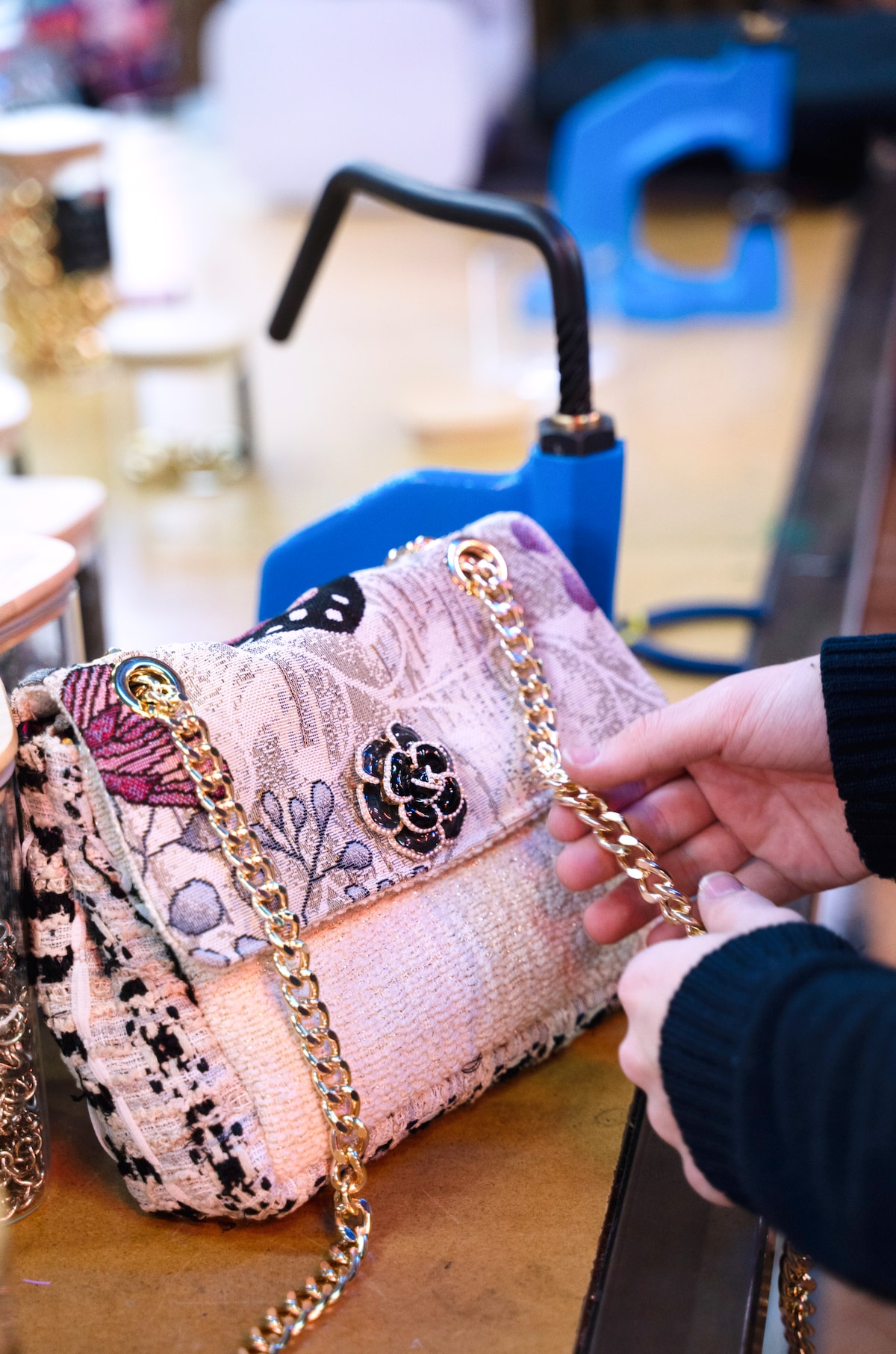
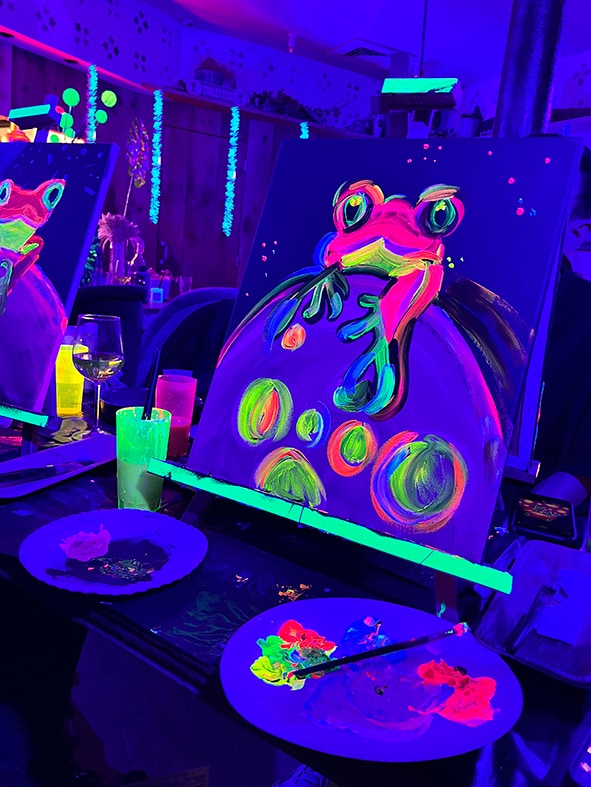
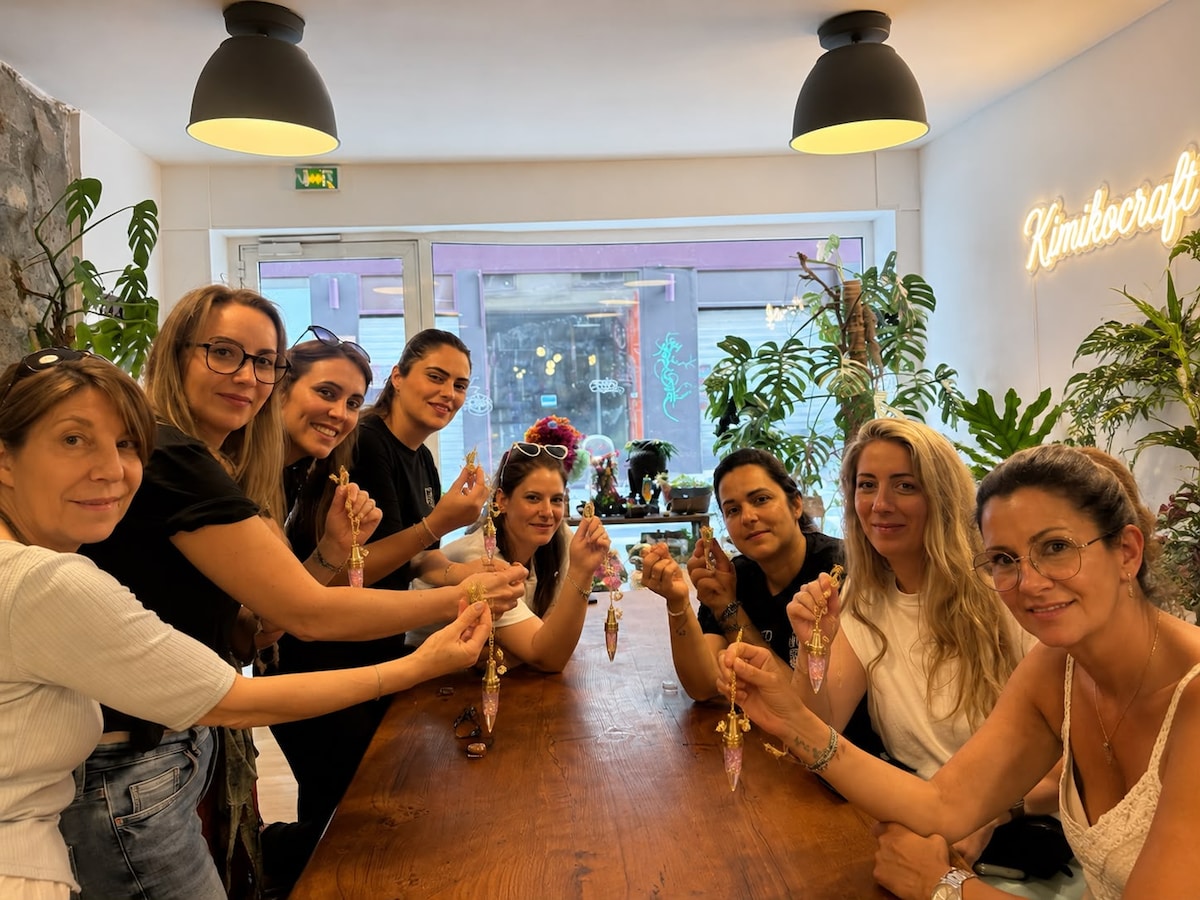
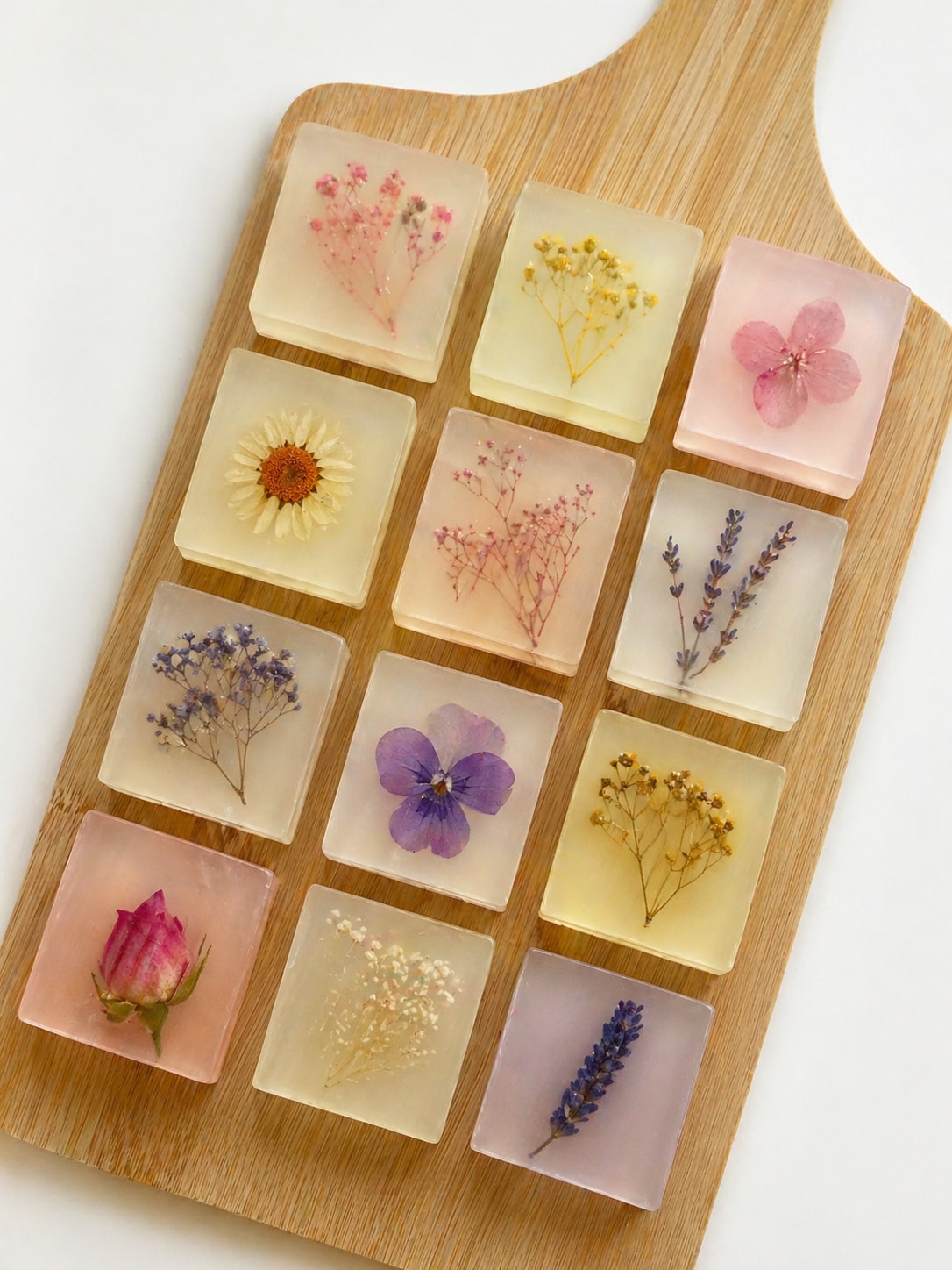
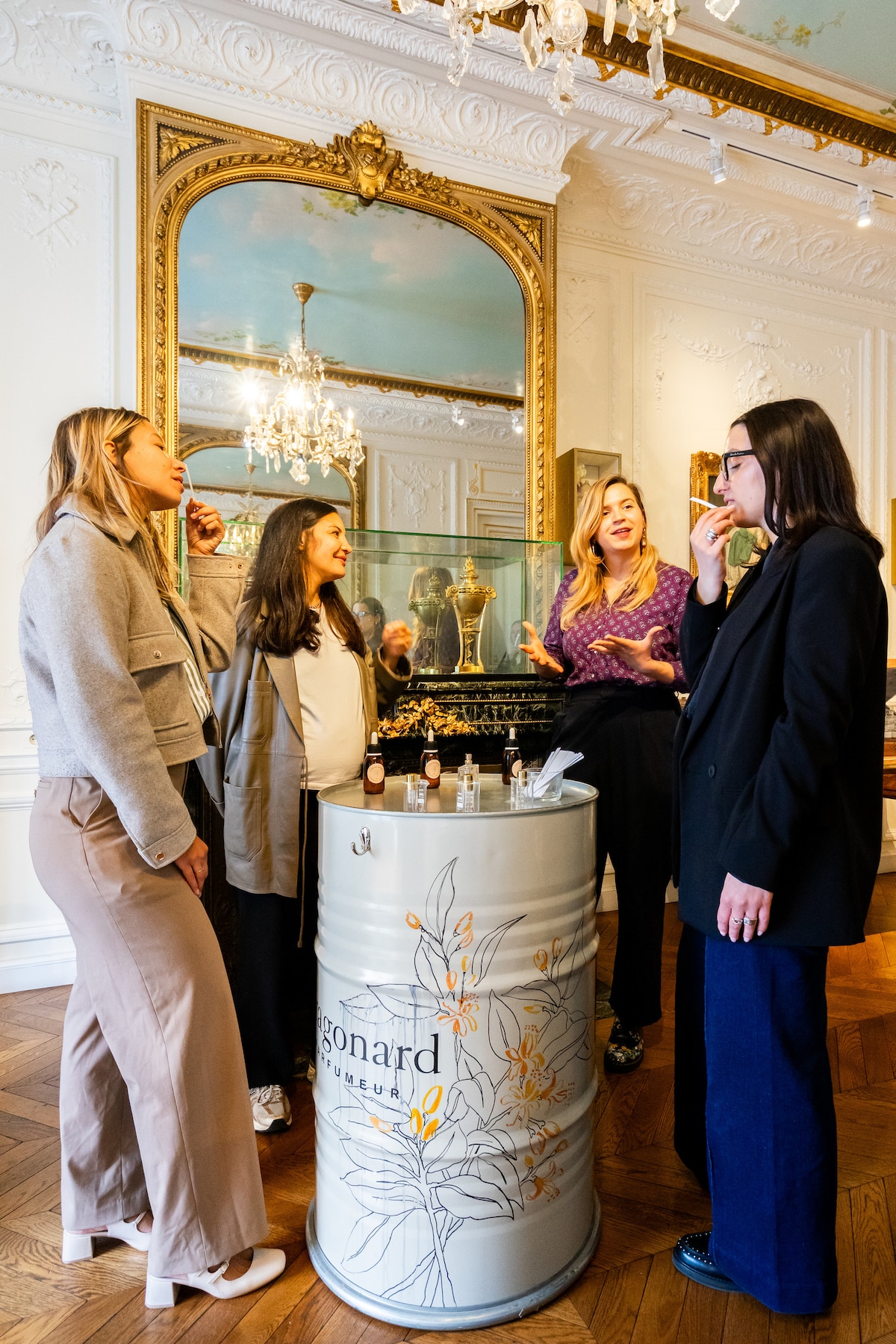
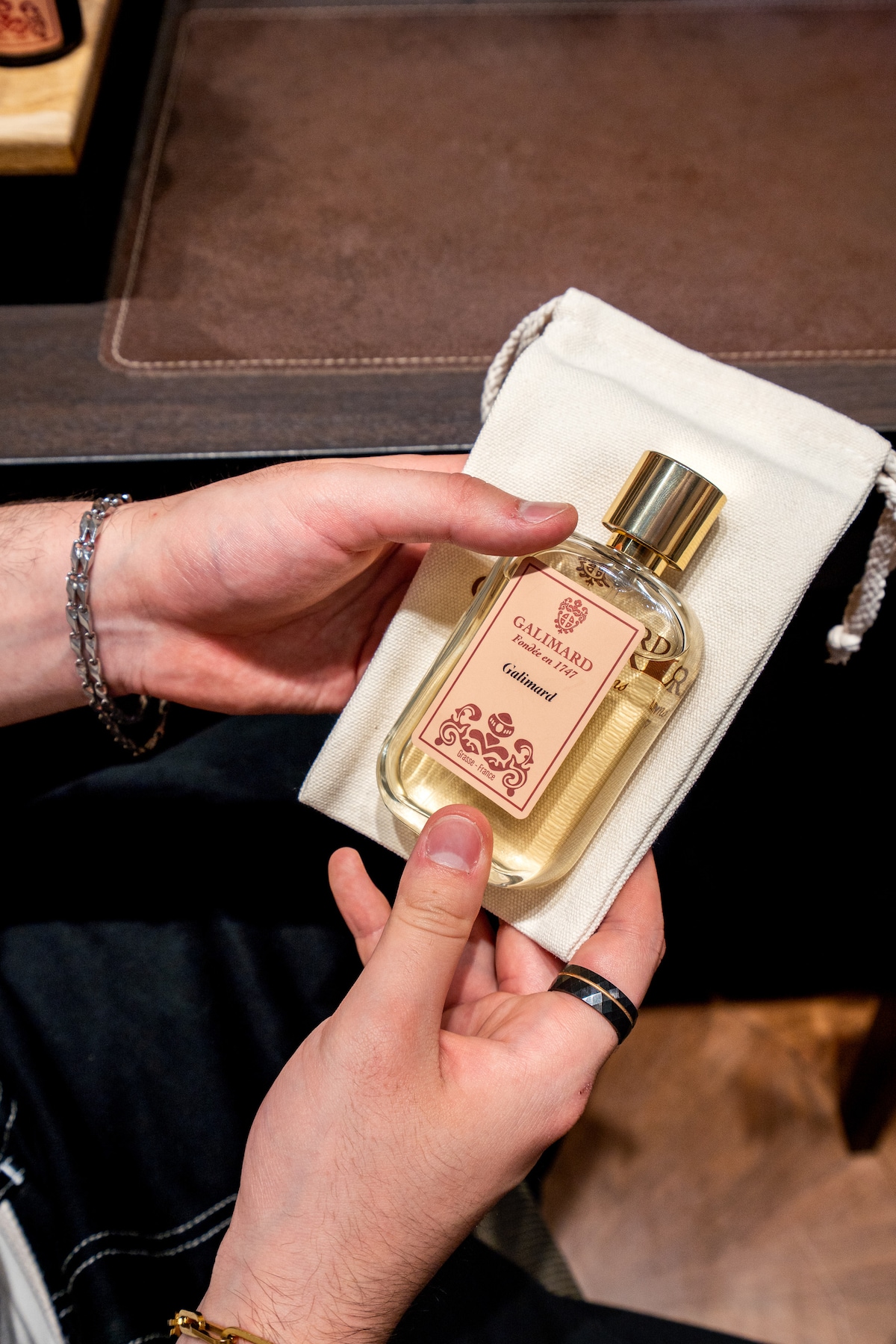
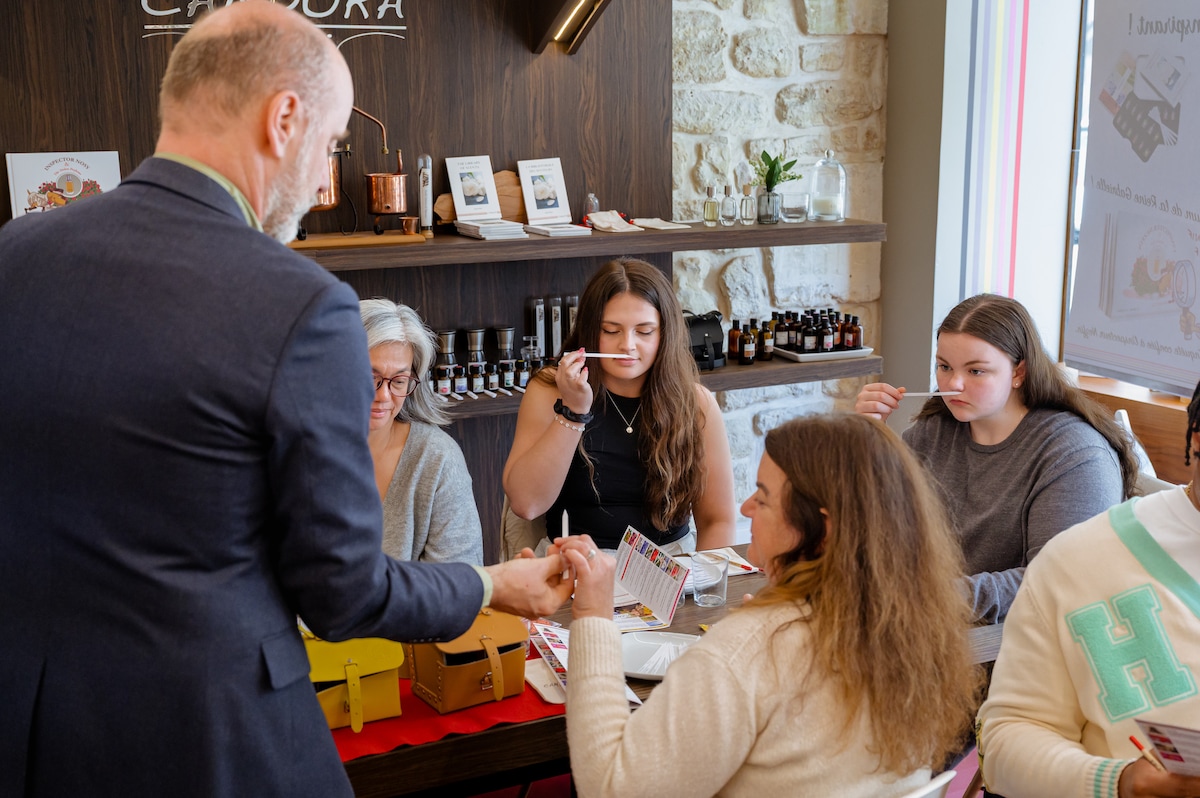
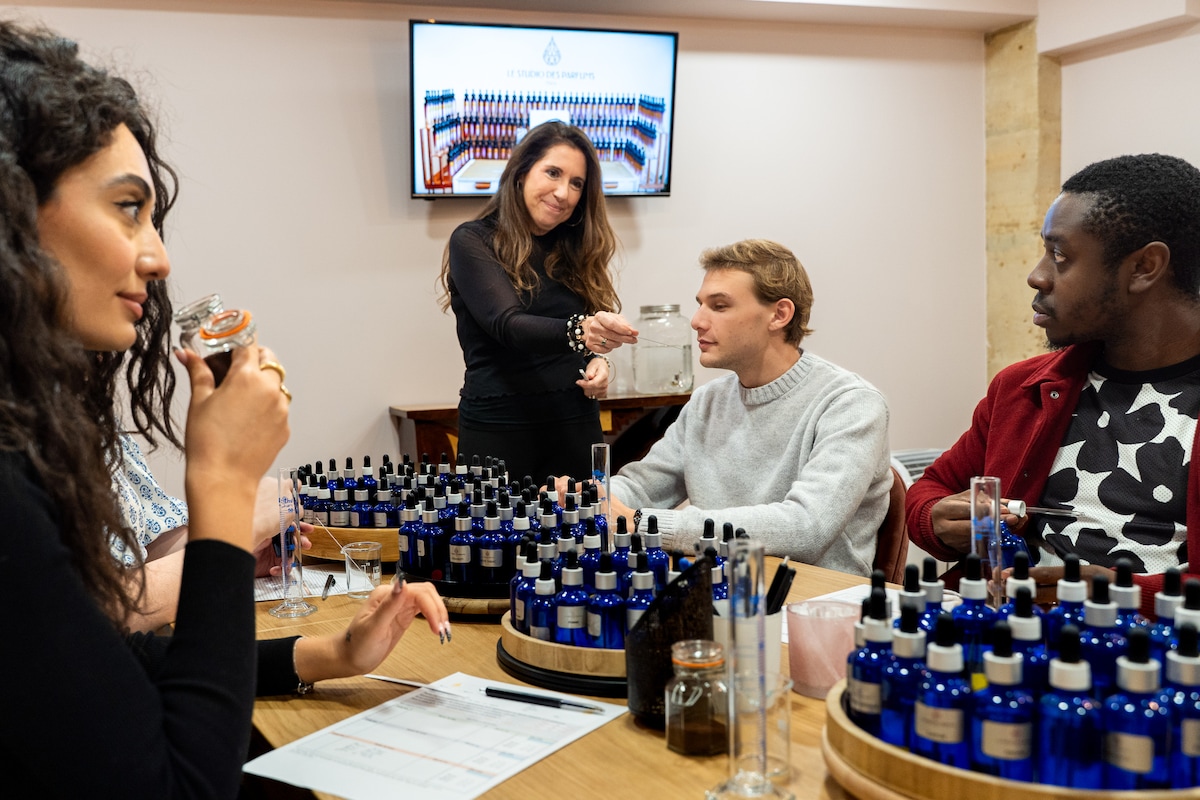
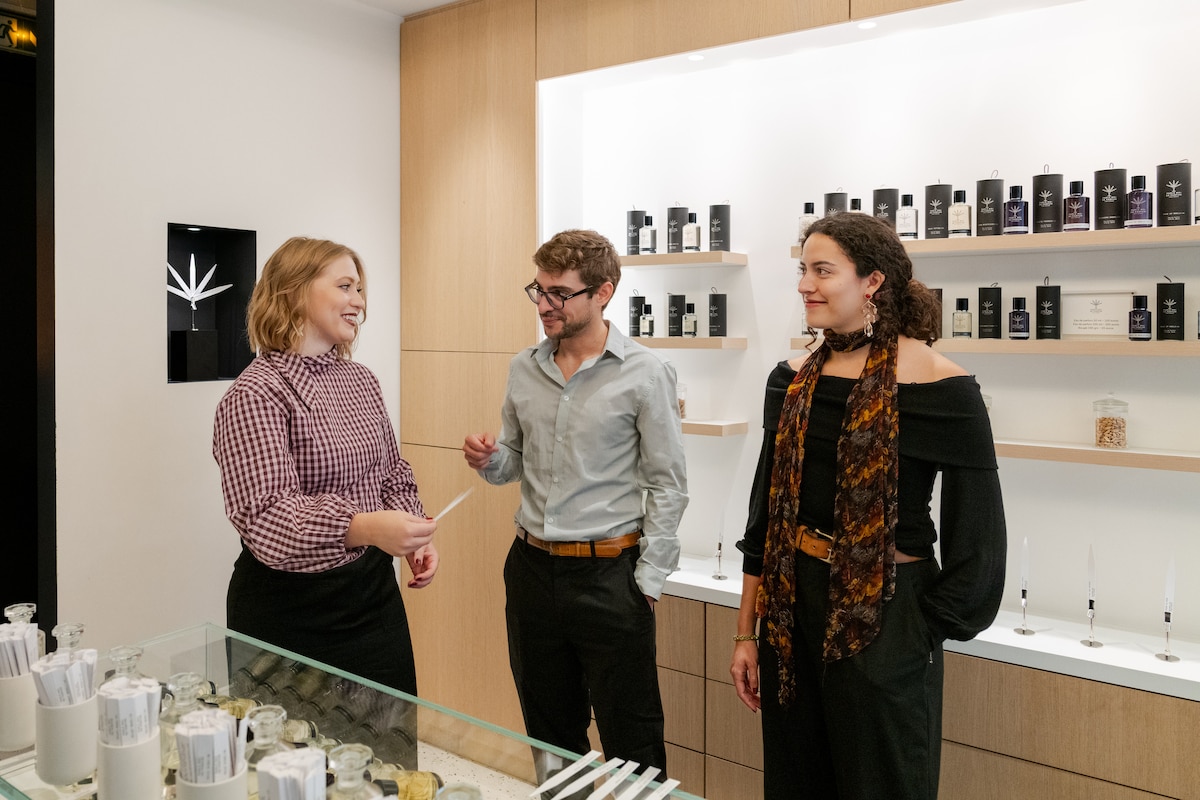
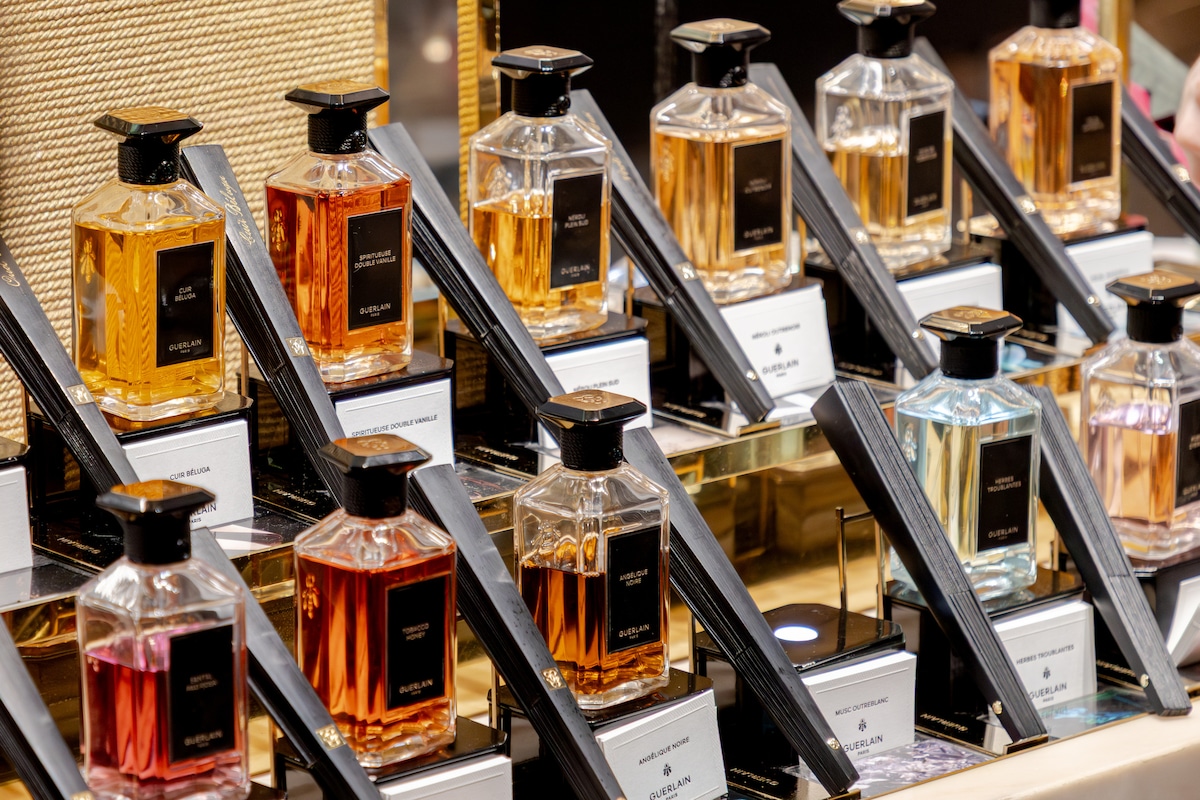
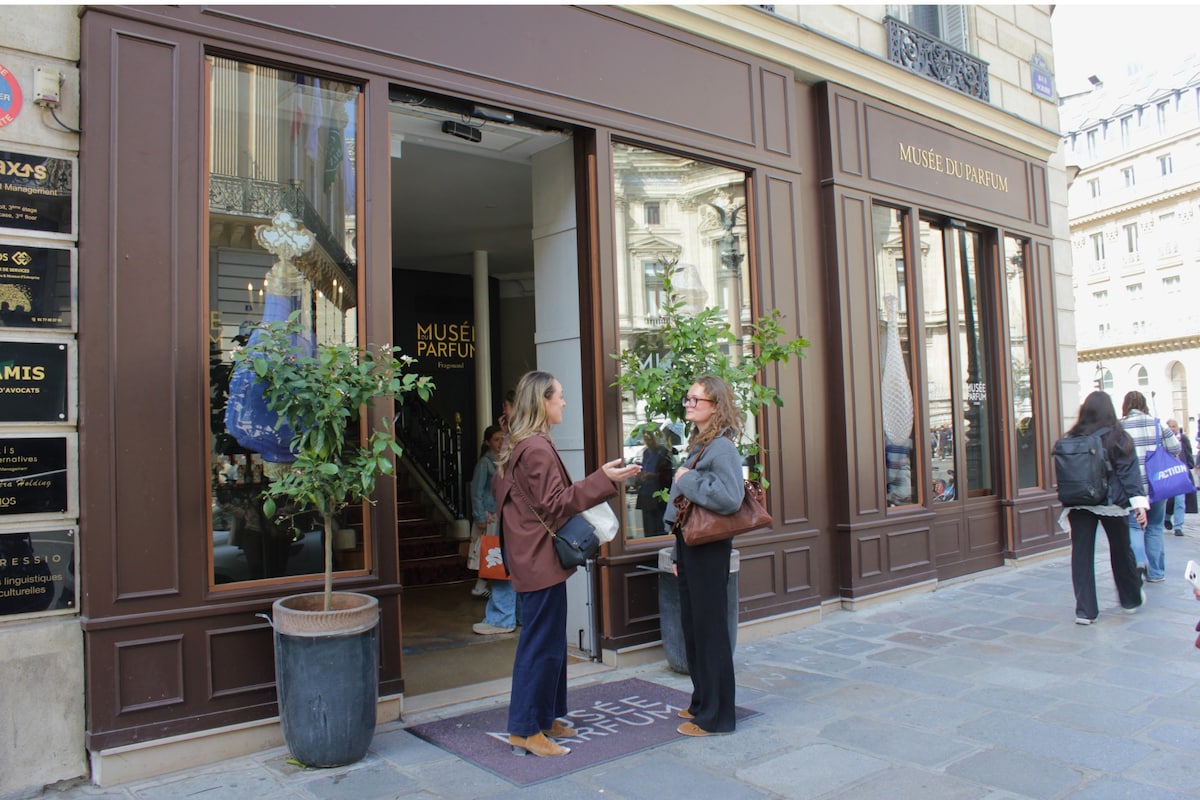
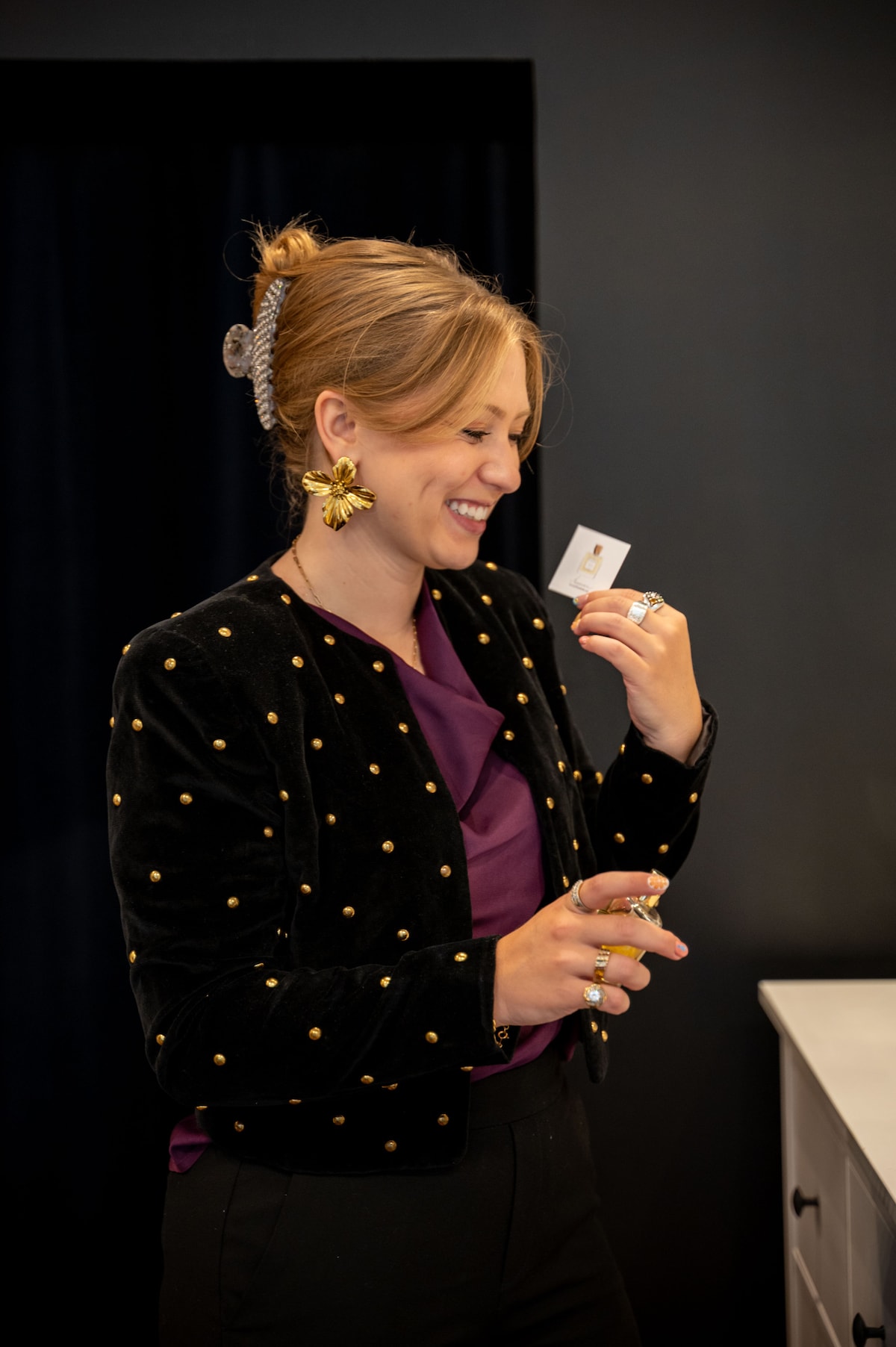
Paris perfume workshops
Craft your own signature scent in hands-on perfume making experiences.
1 z celkem 1 stránek

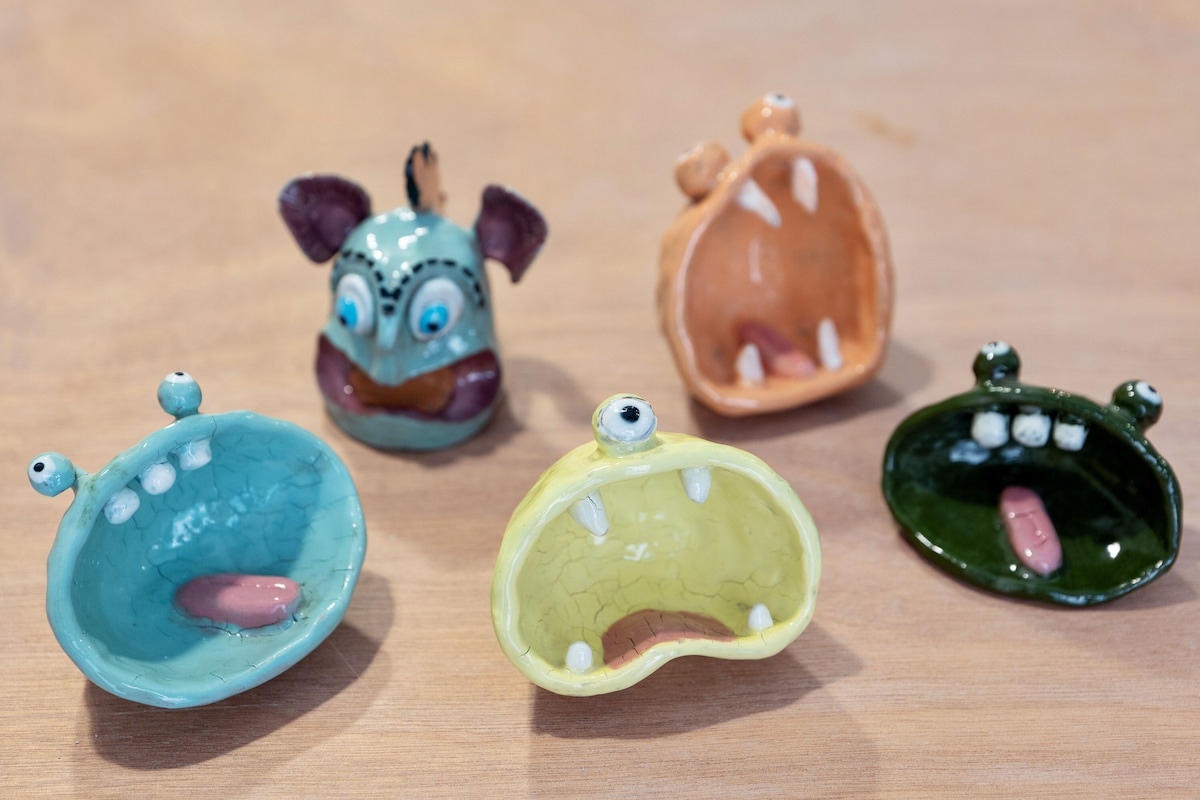
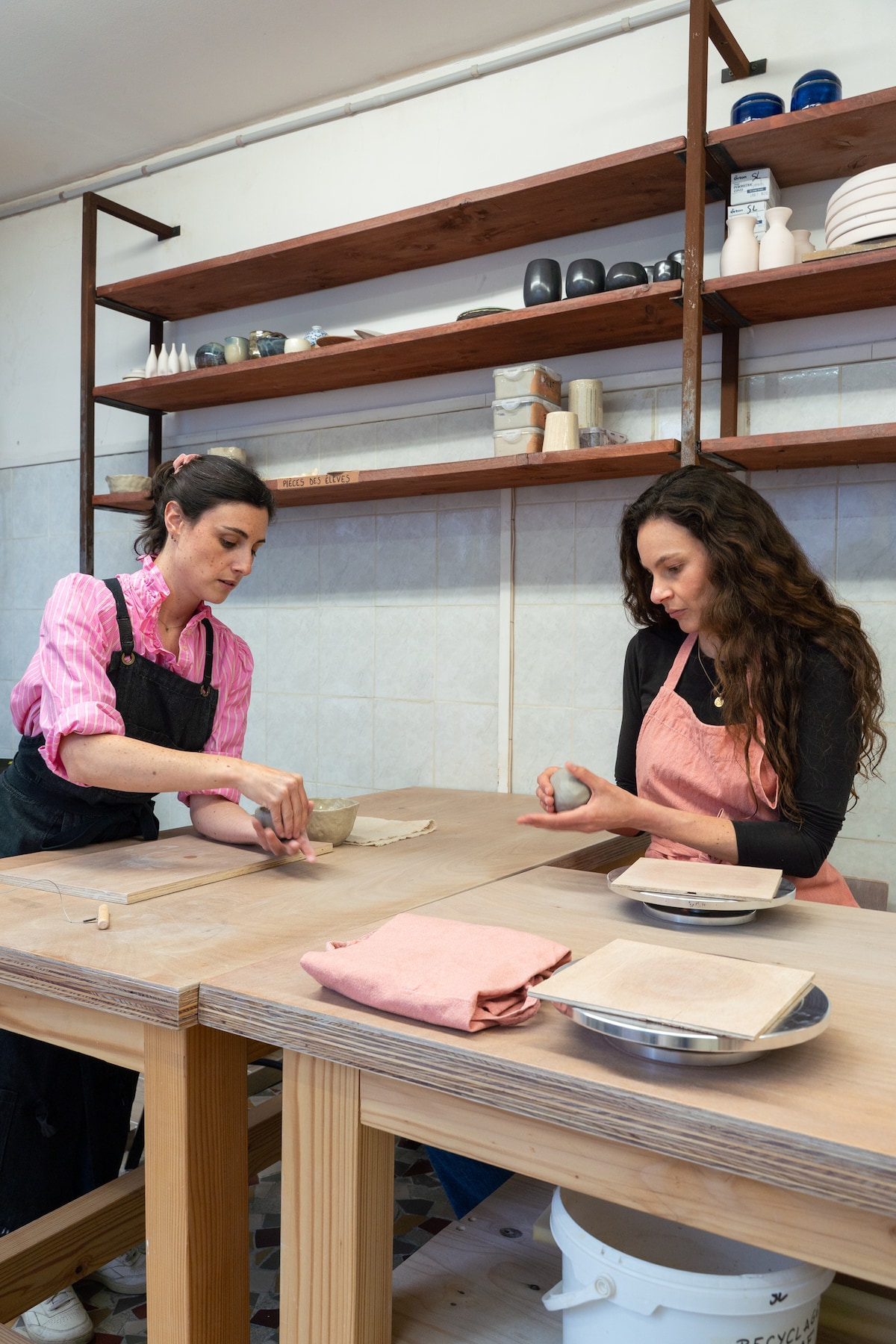
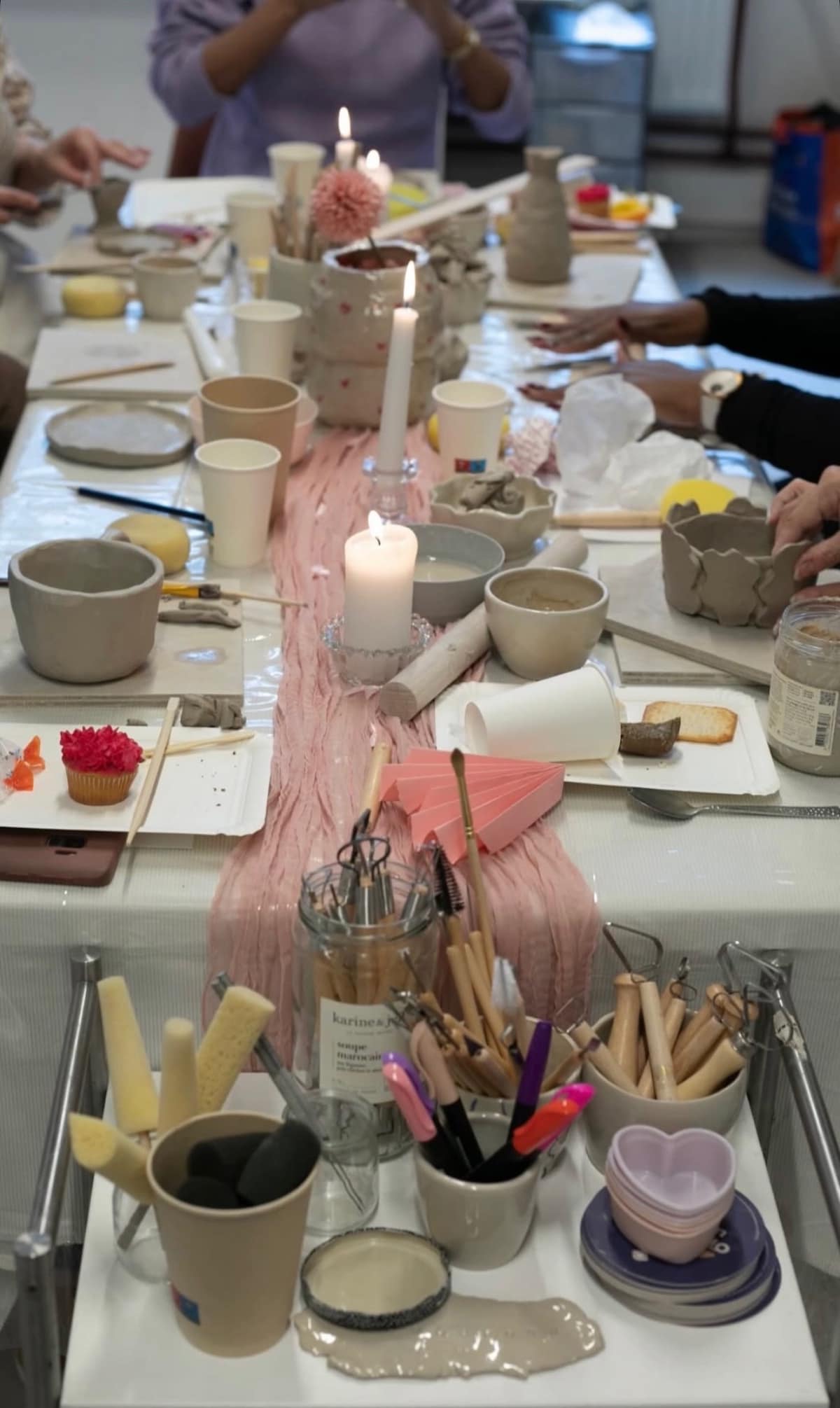
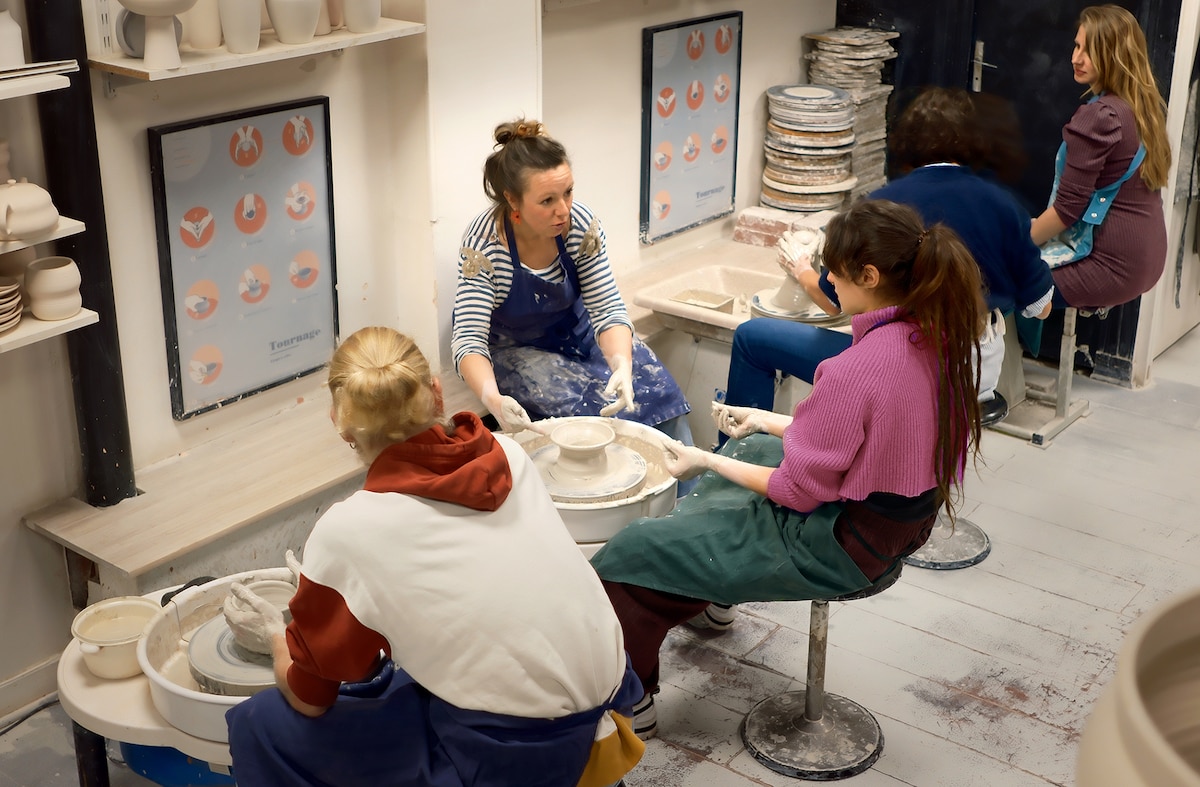
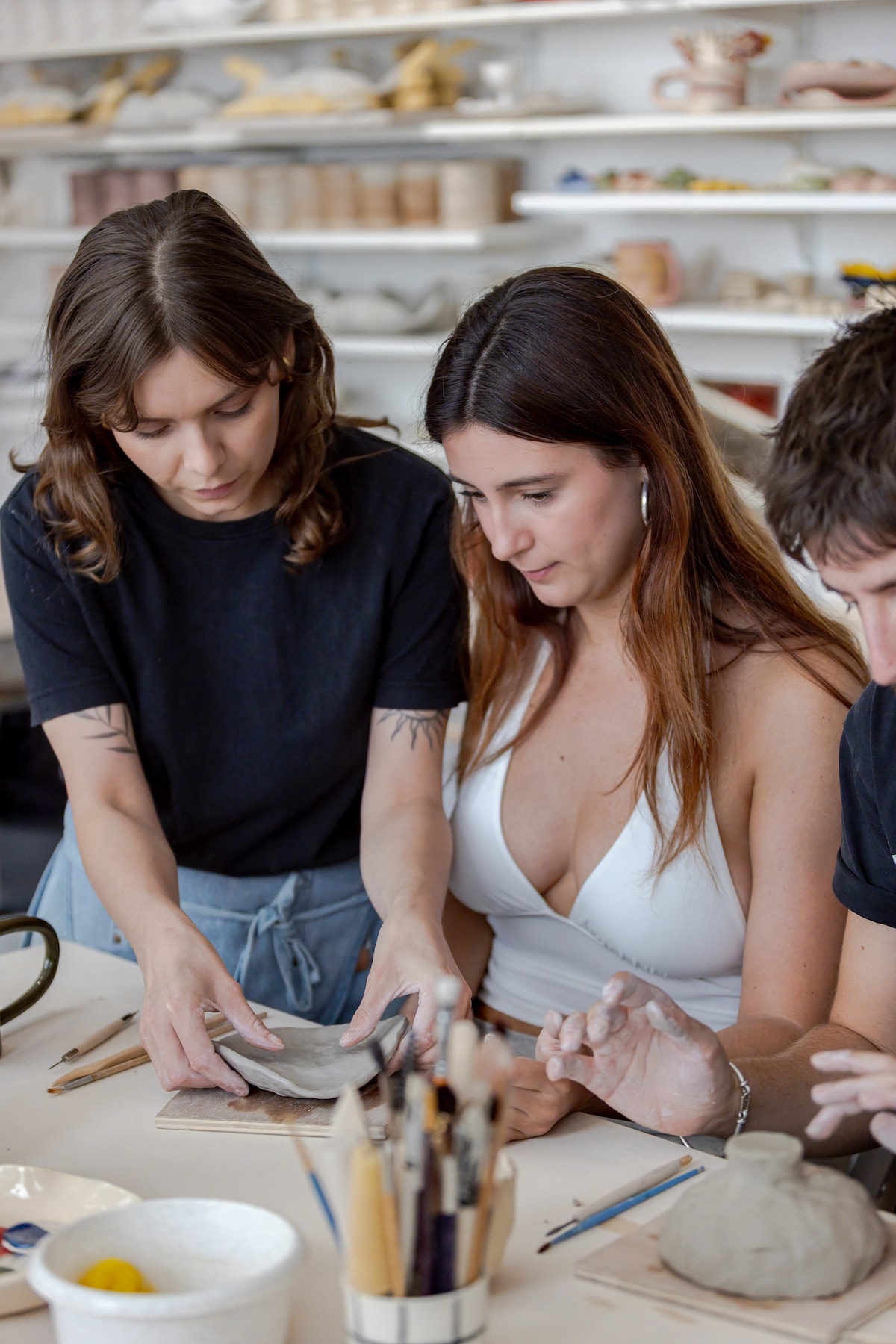
Paris ceramics workshops
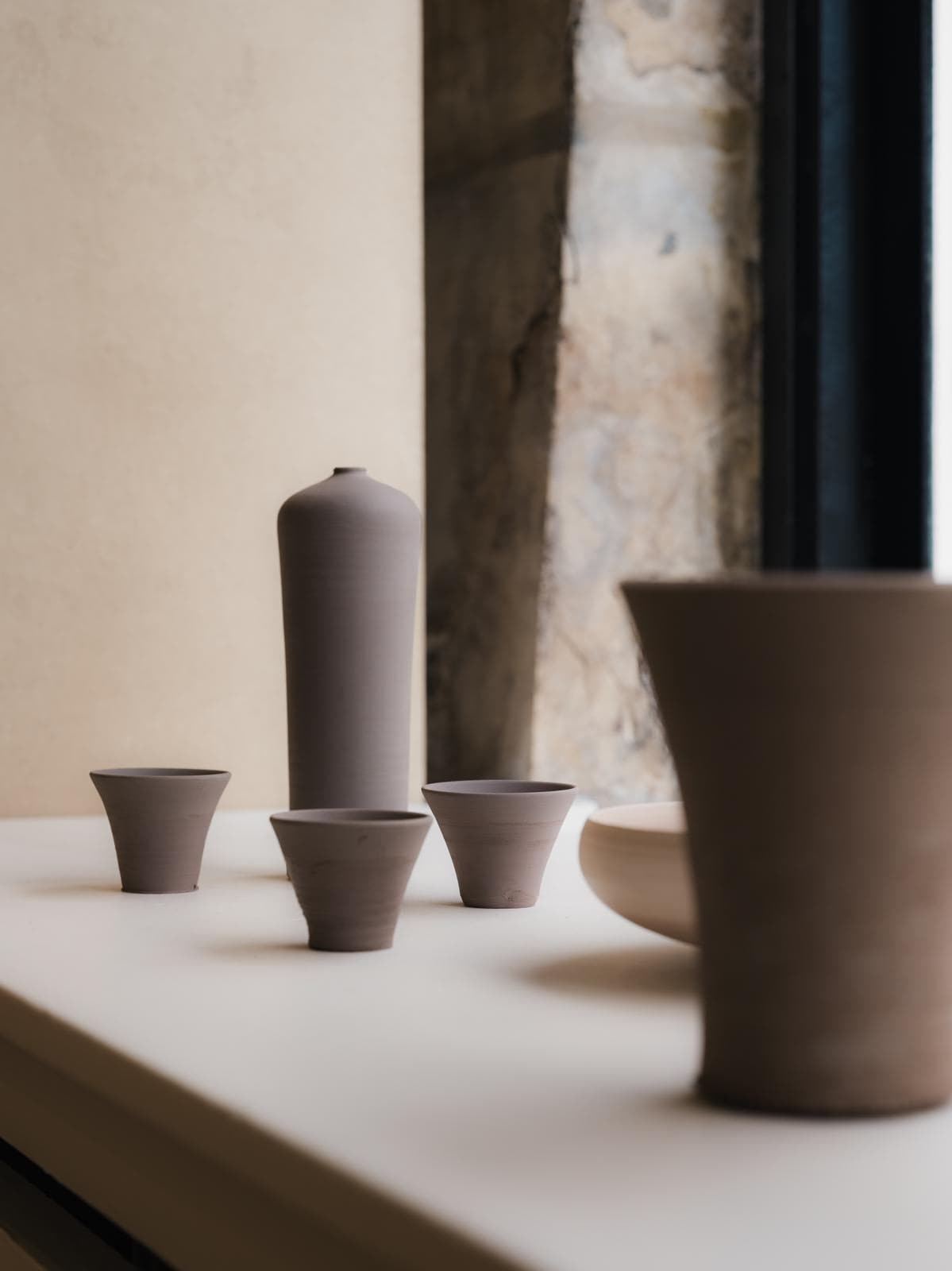
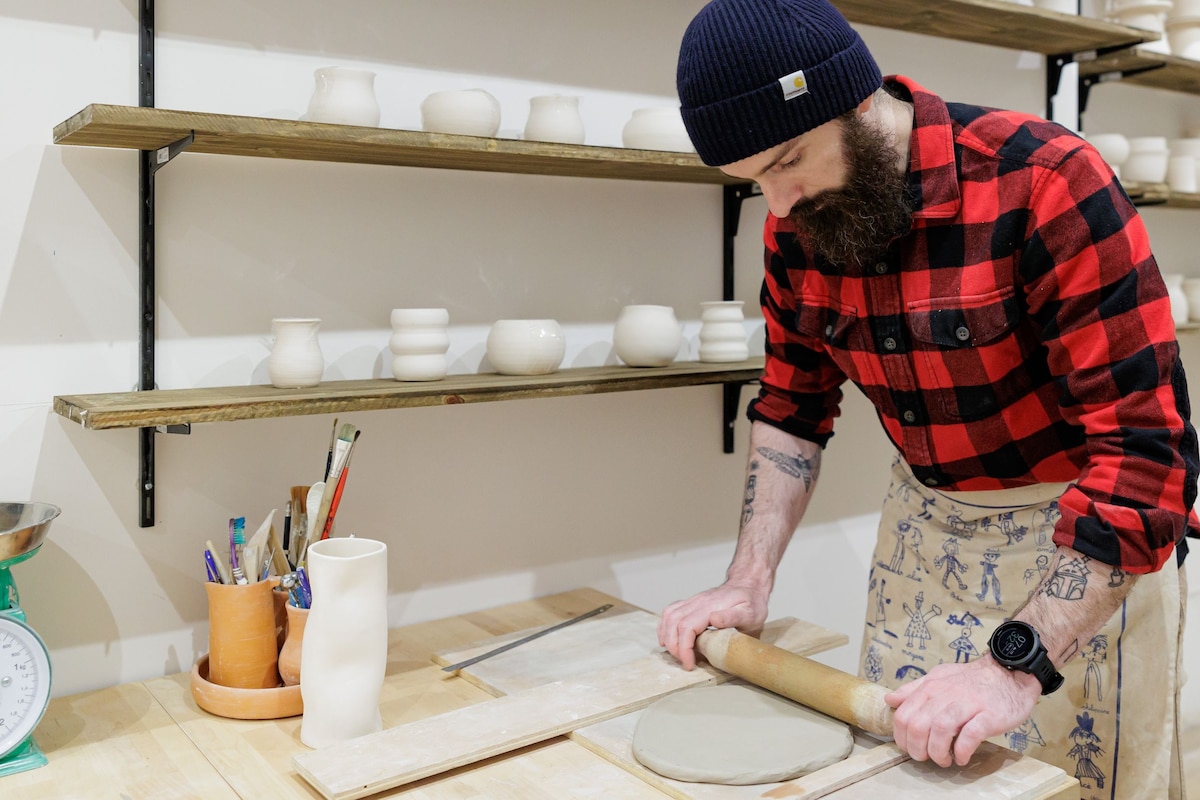
Shape clay on the wheel and take home a piece that's truly your own
1 z celkem 1 stránek
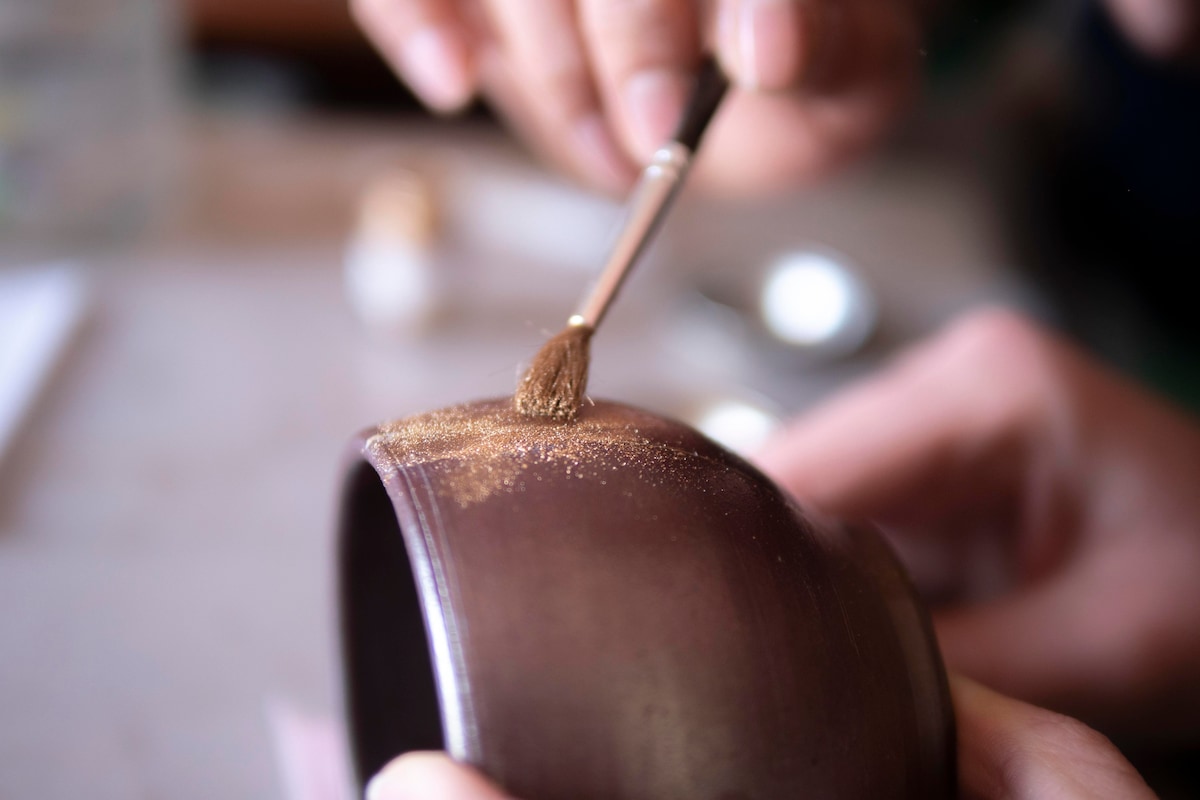
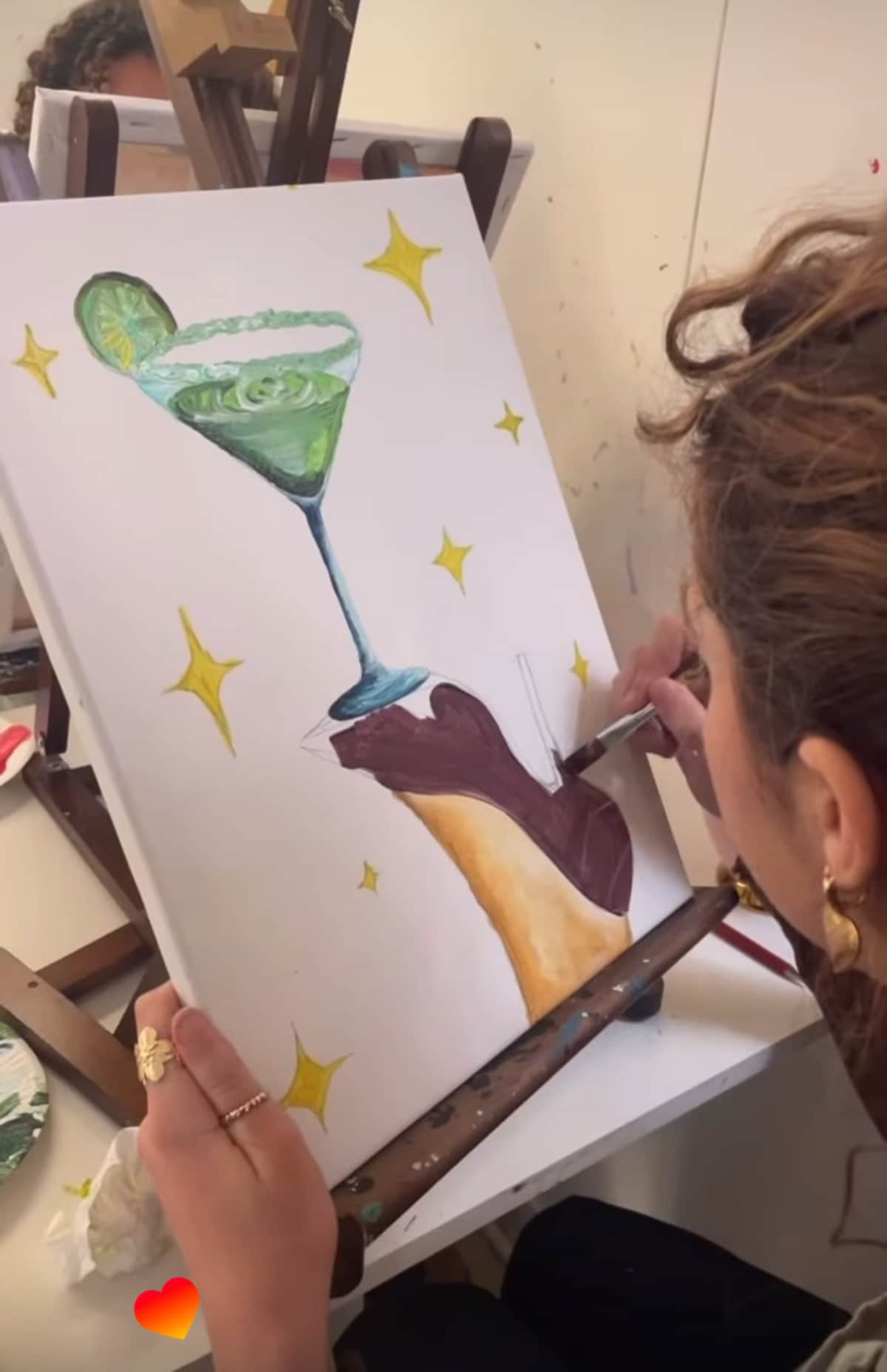
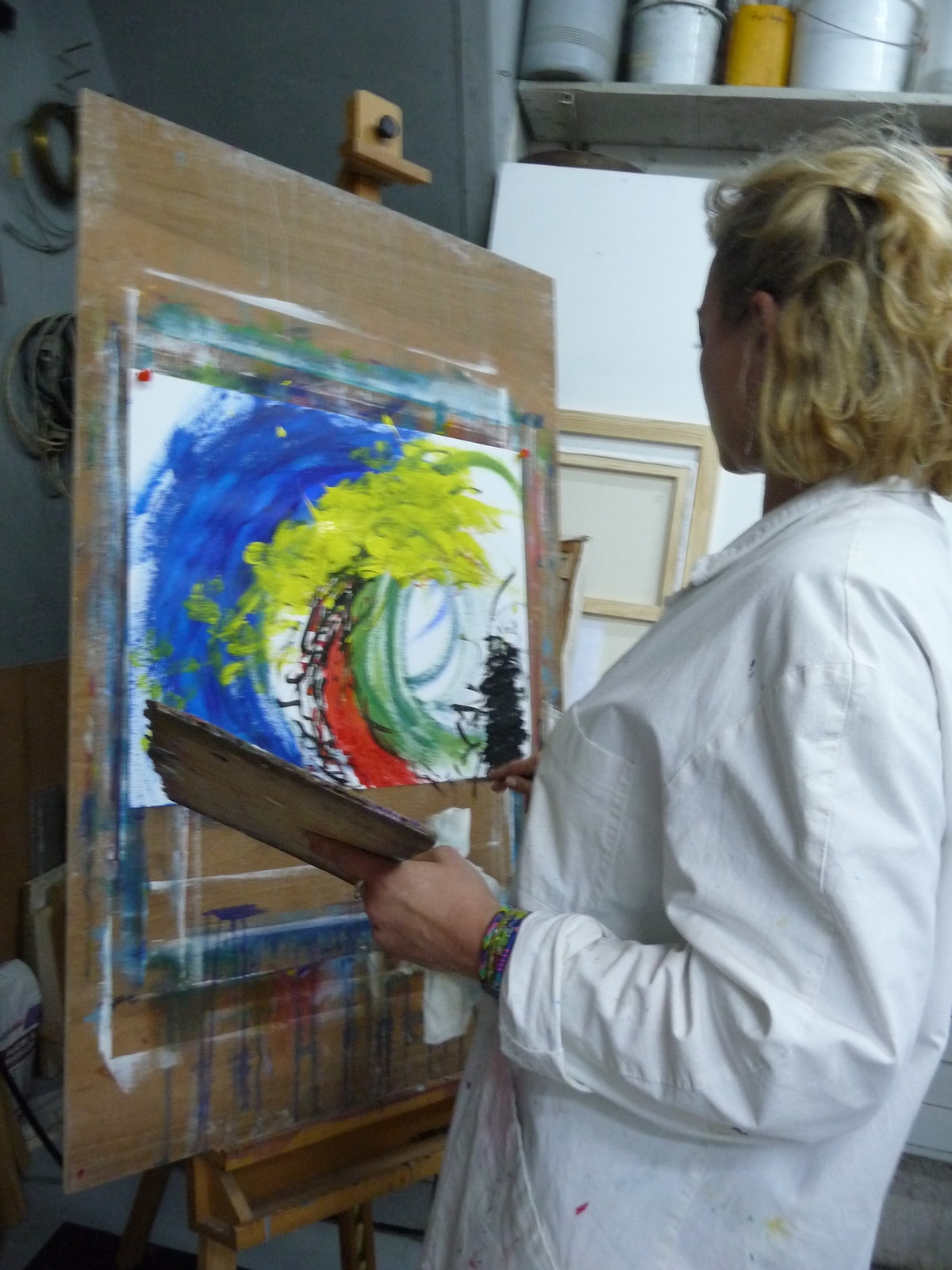
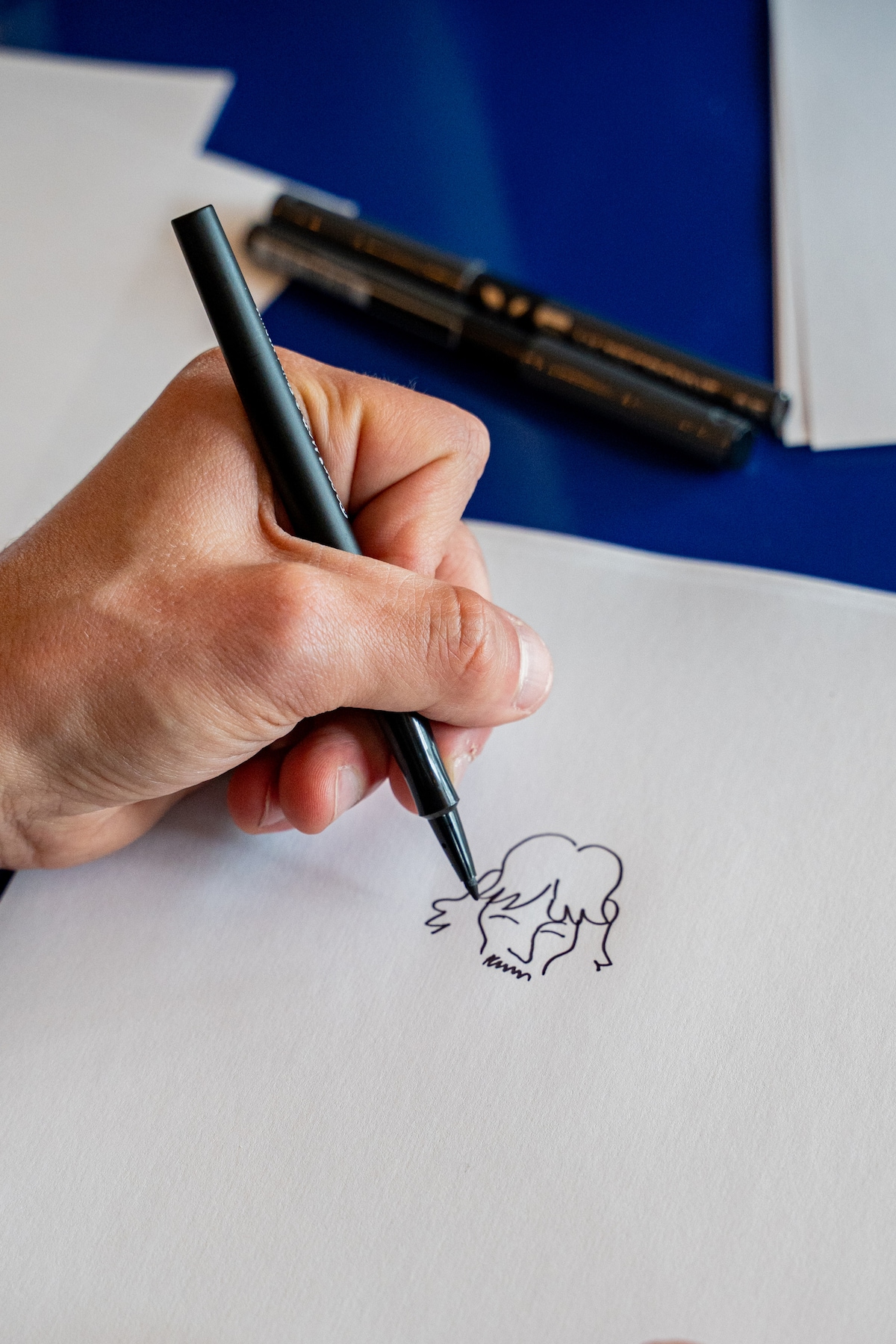
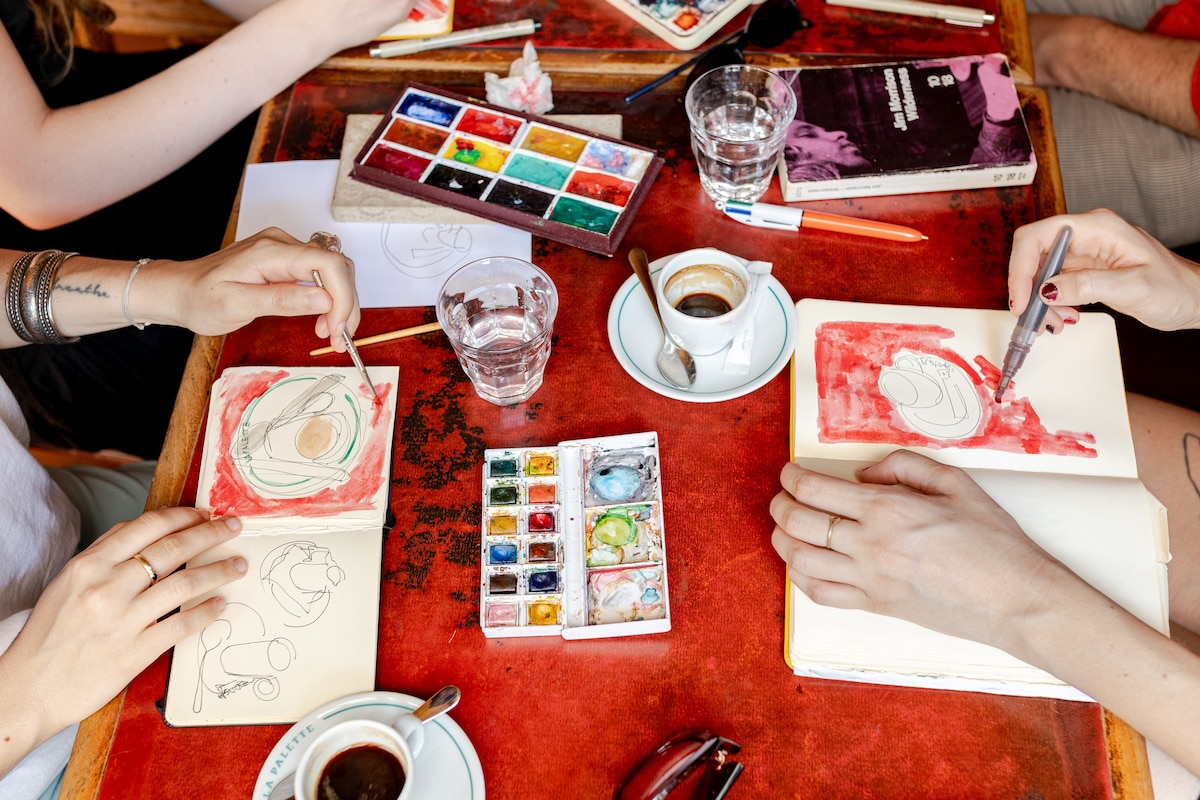
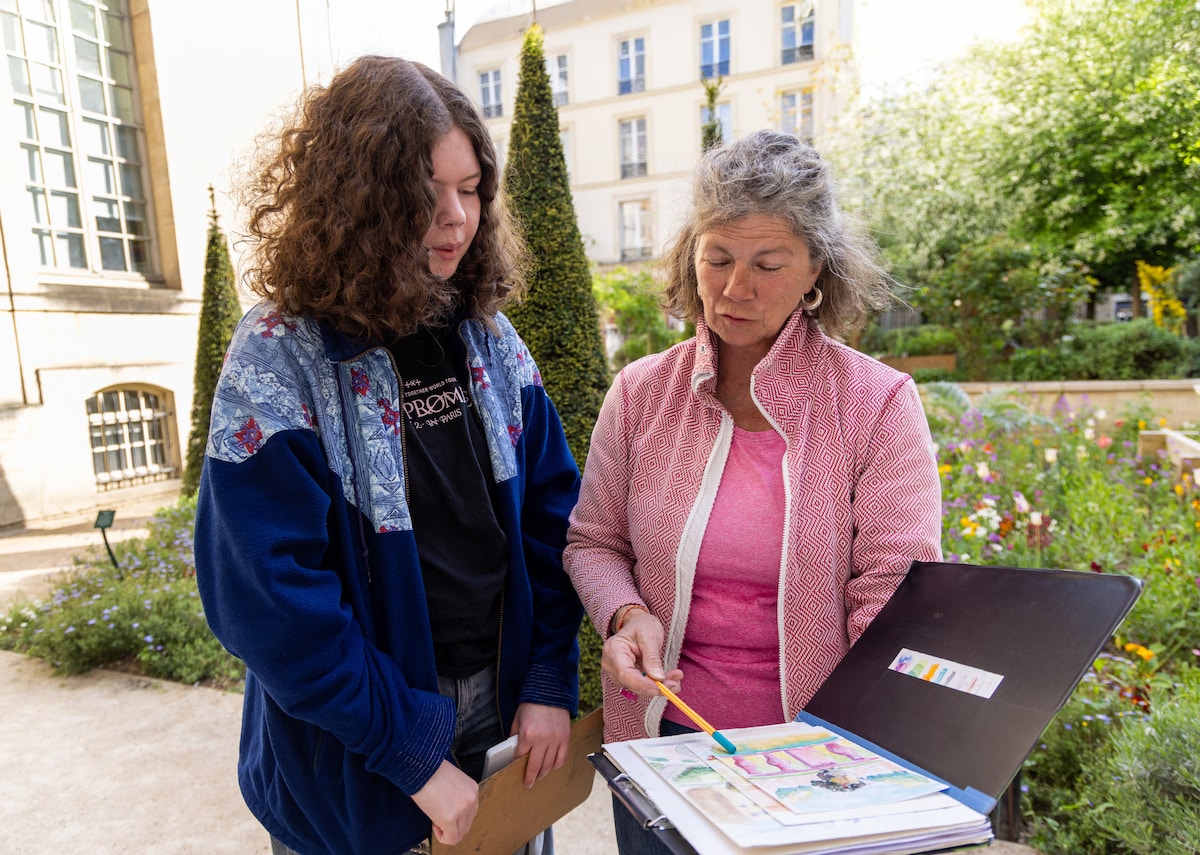
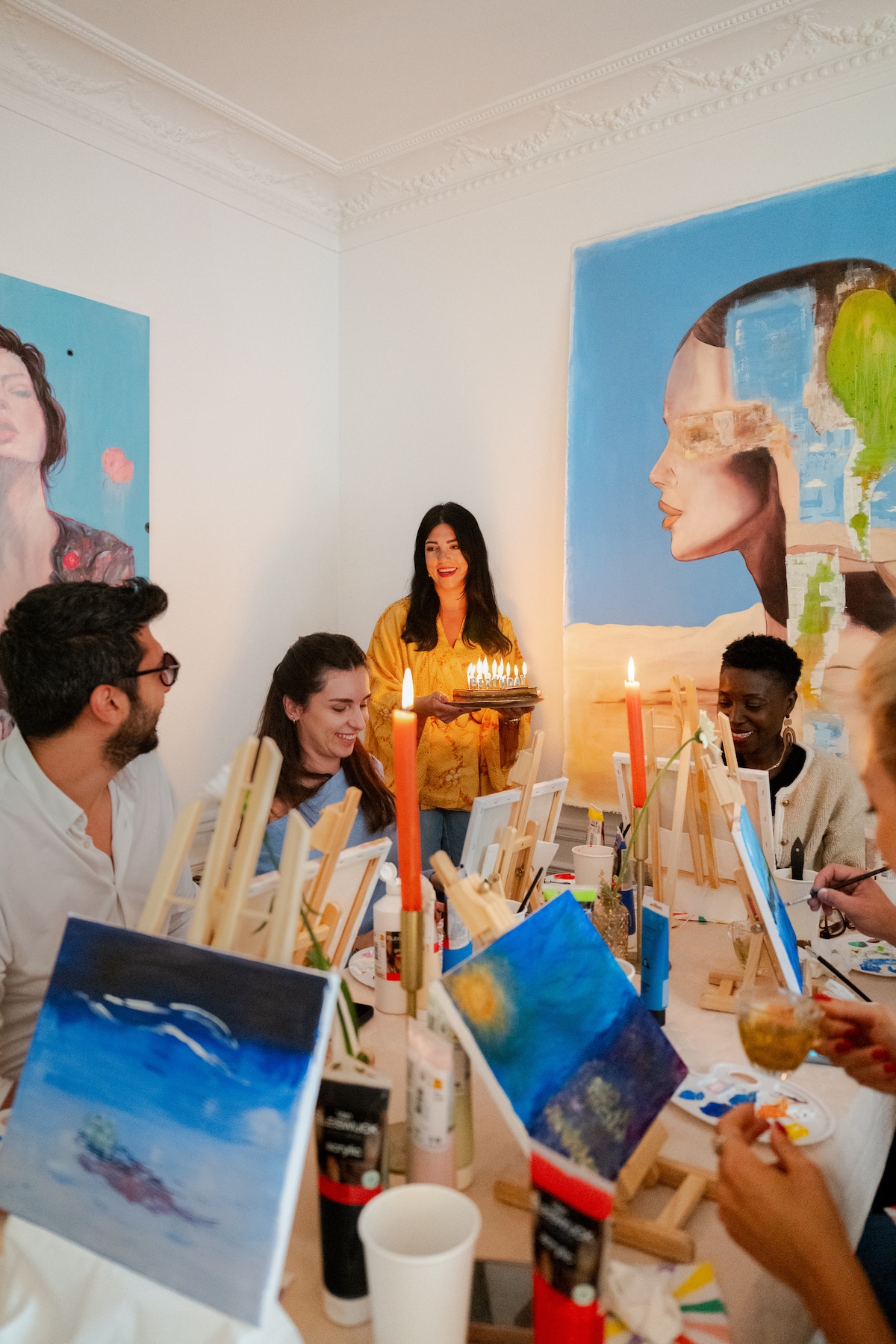
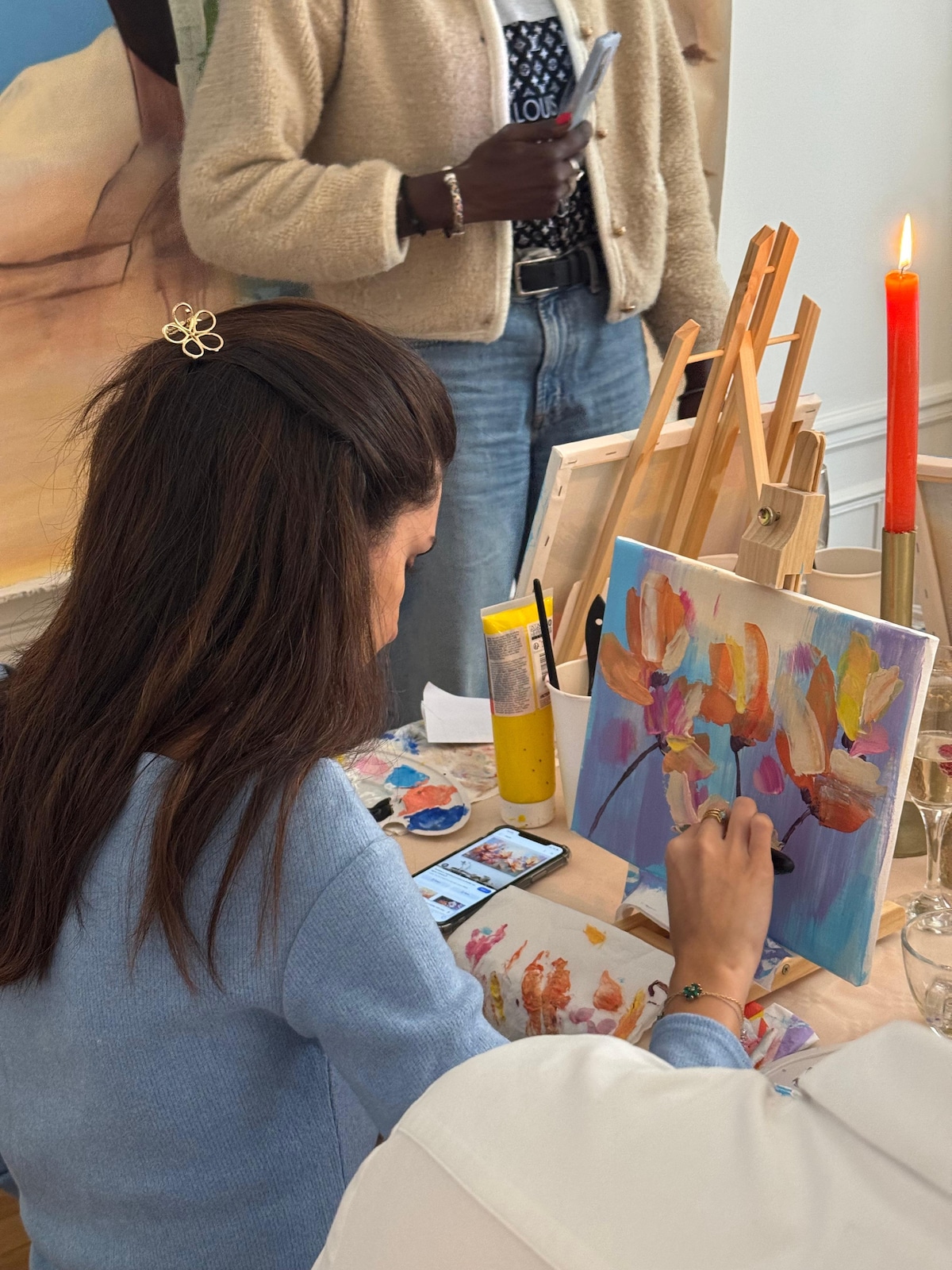
Paris painting workshops
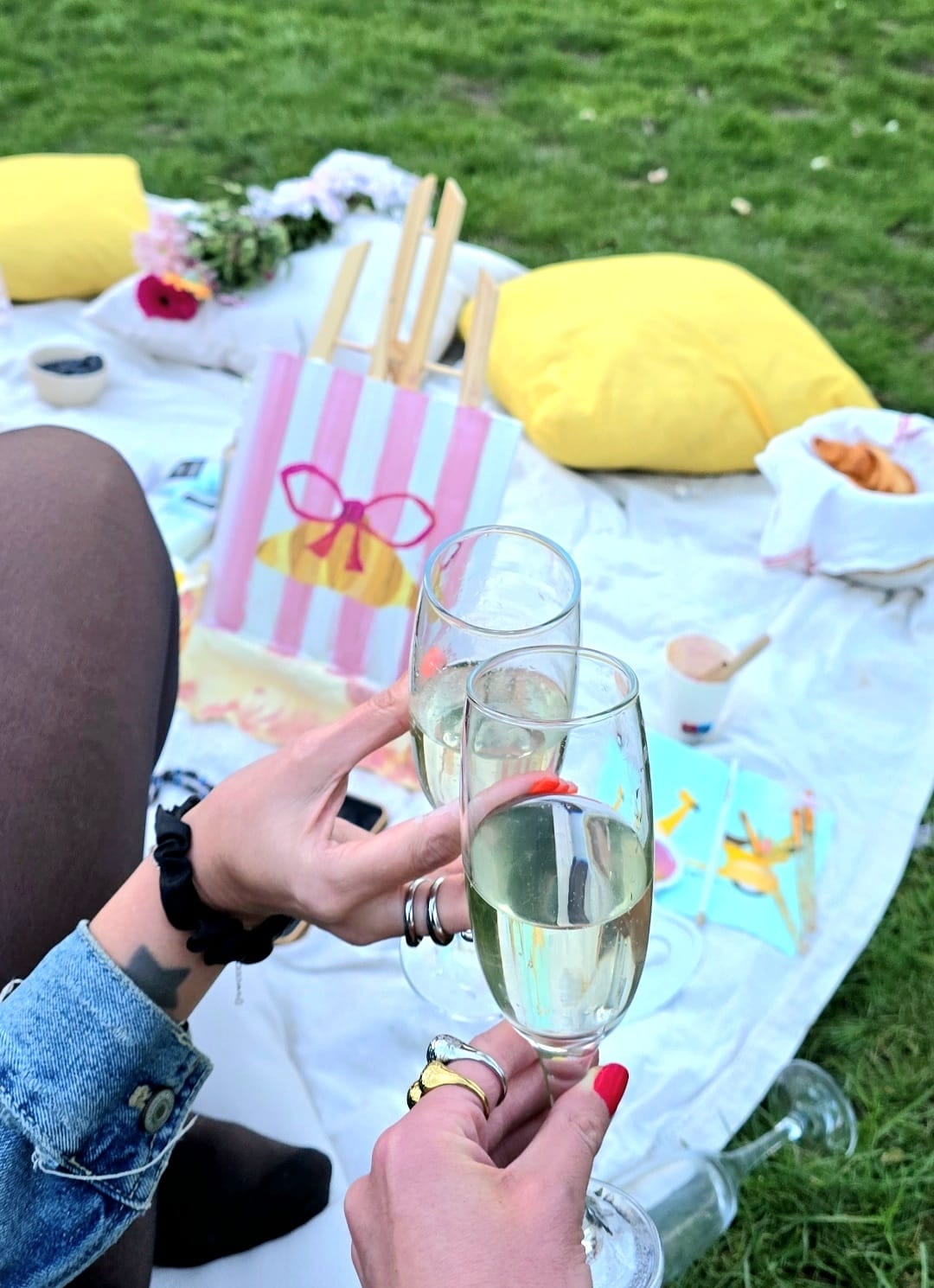
Pick up a brush and capture Paris on canvas, with an artist guiding every stroke.
1 z celkem 1 stránek
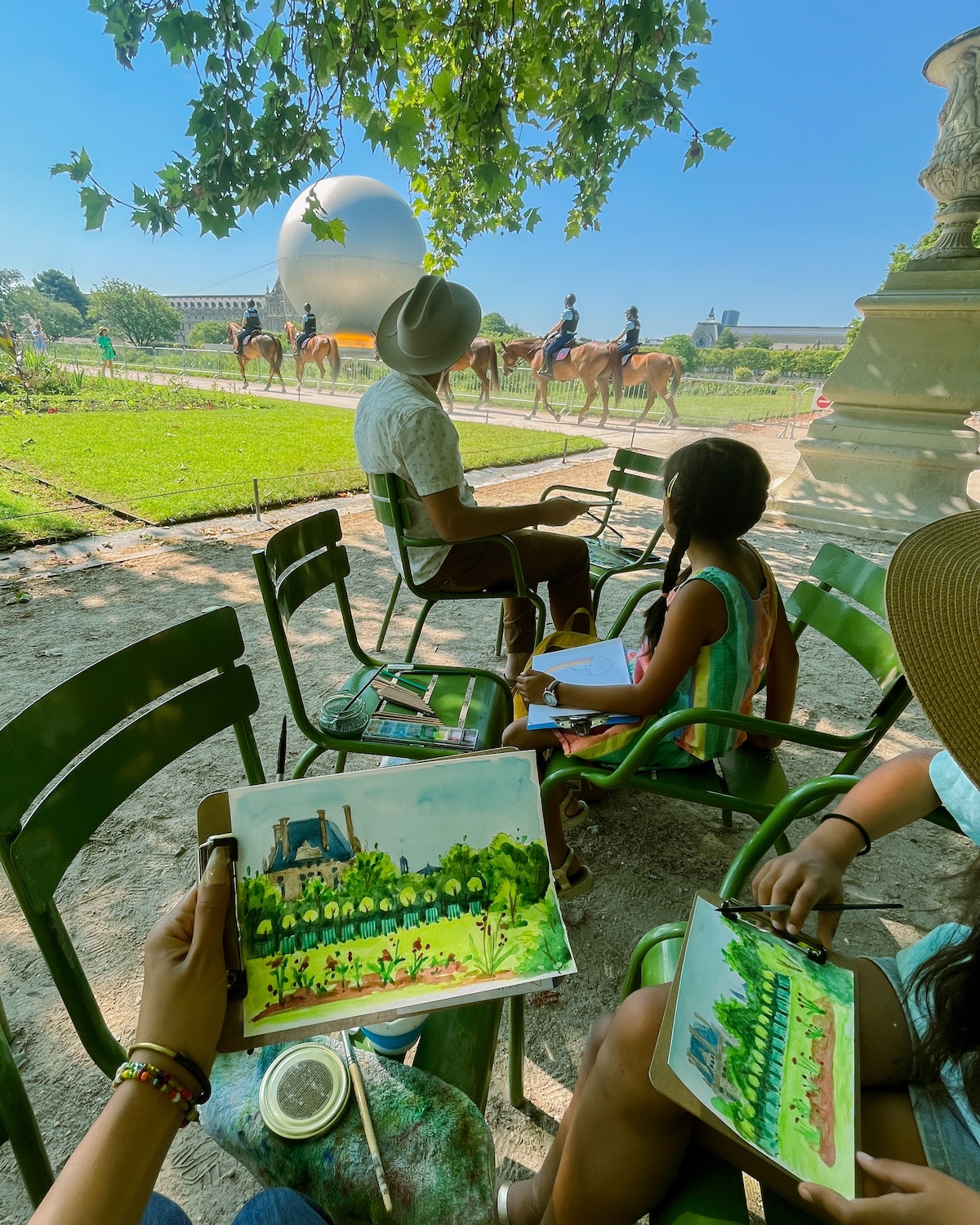
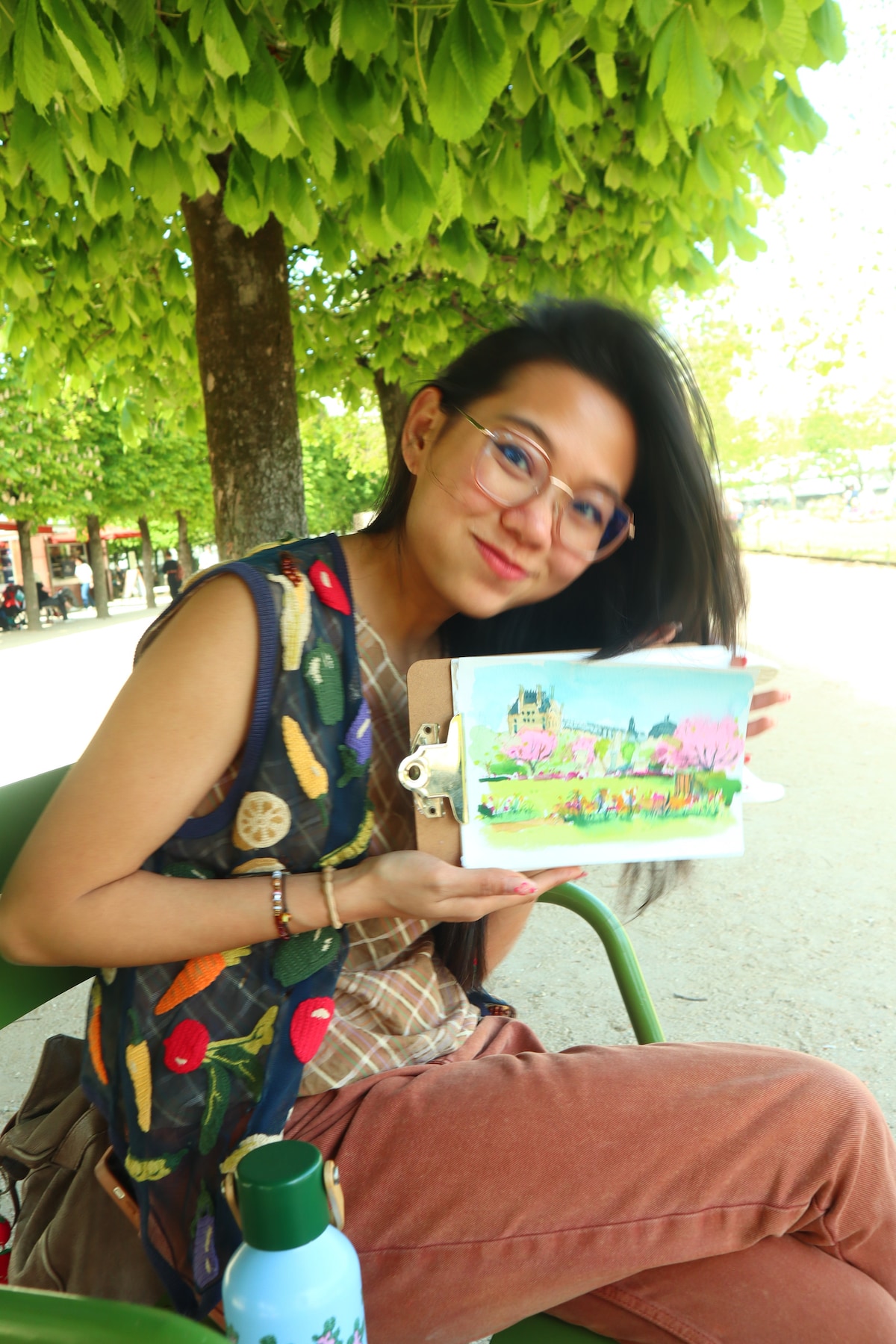

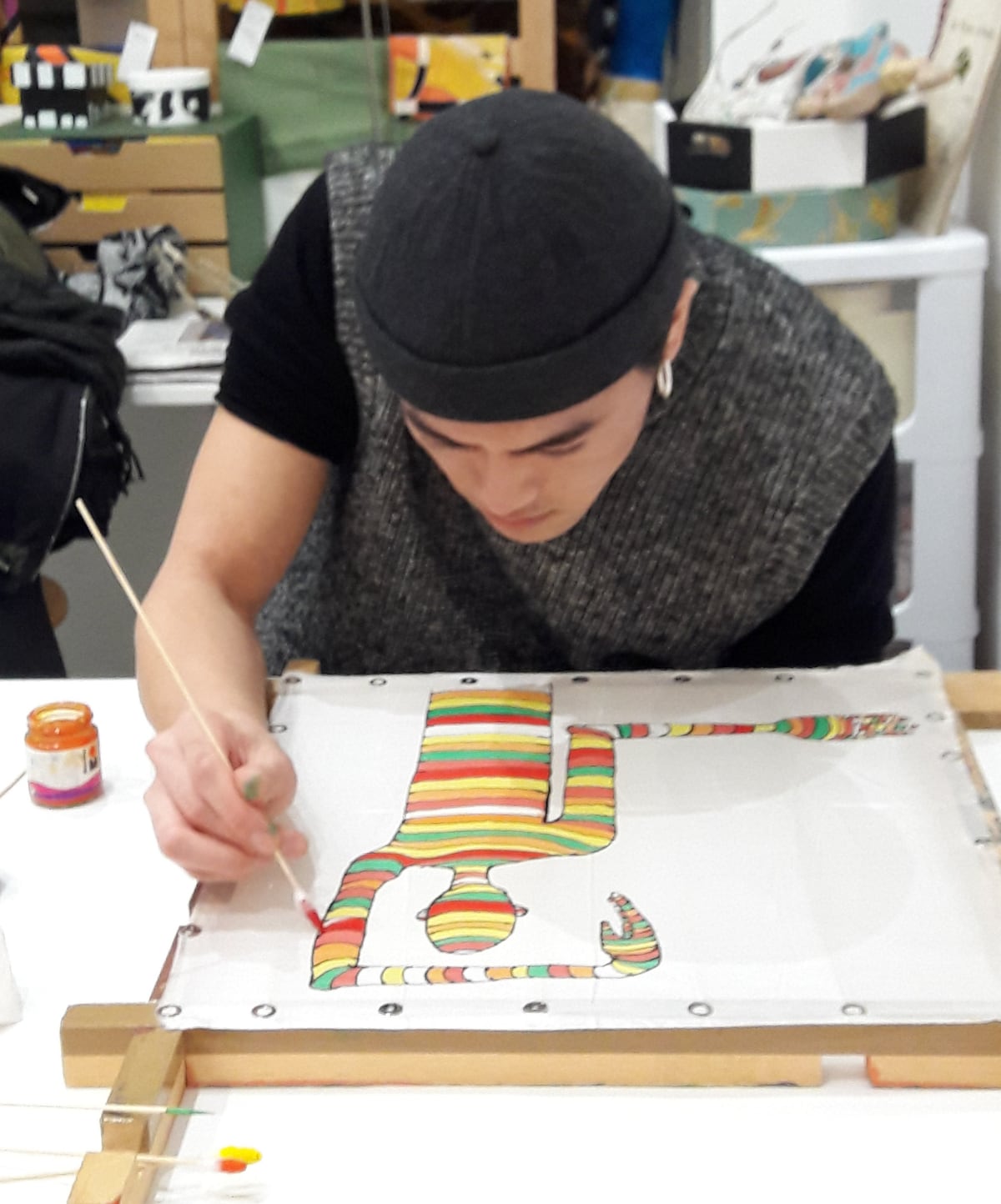
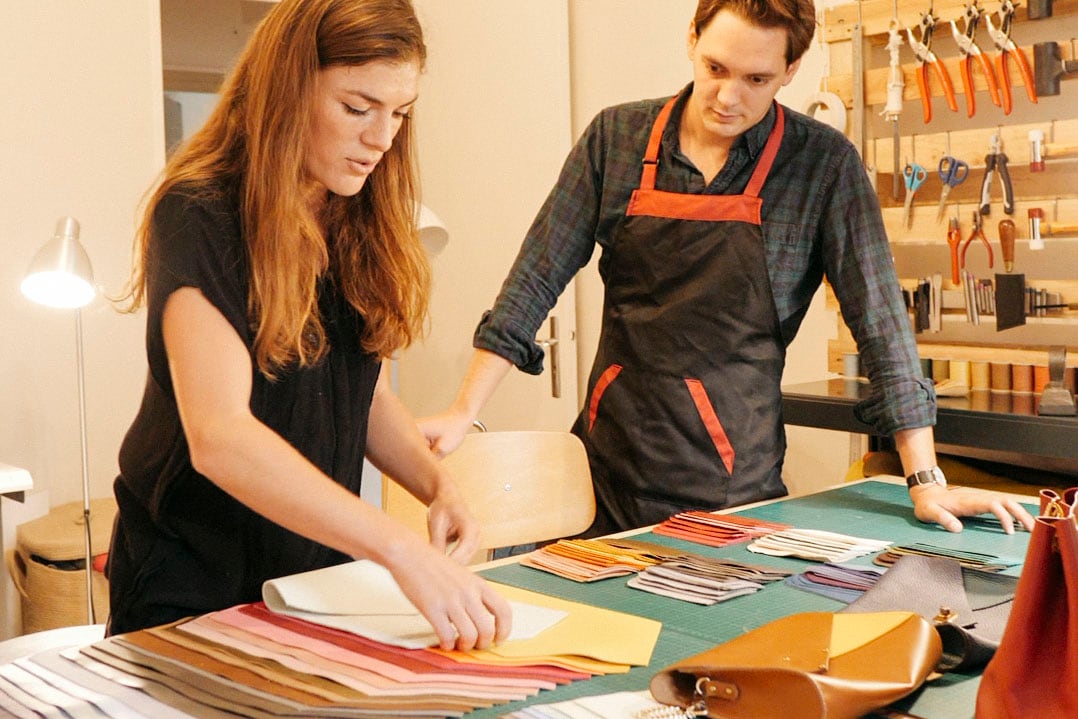
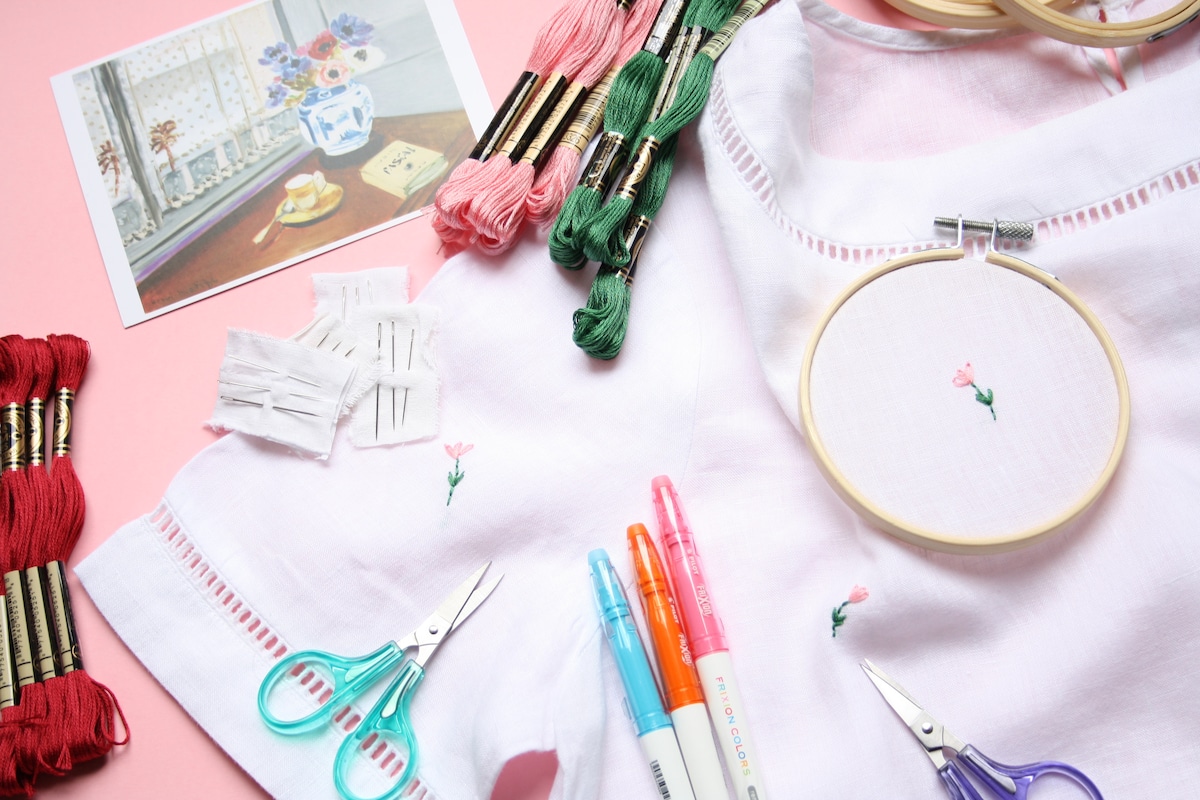
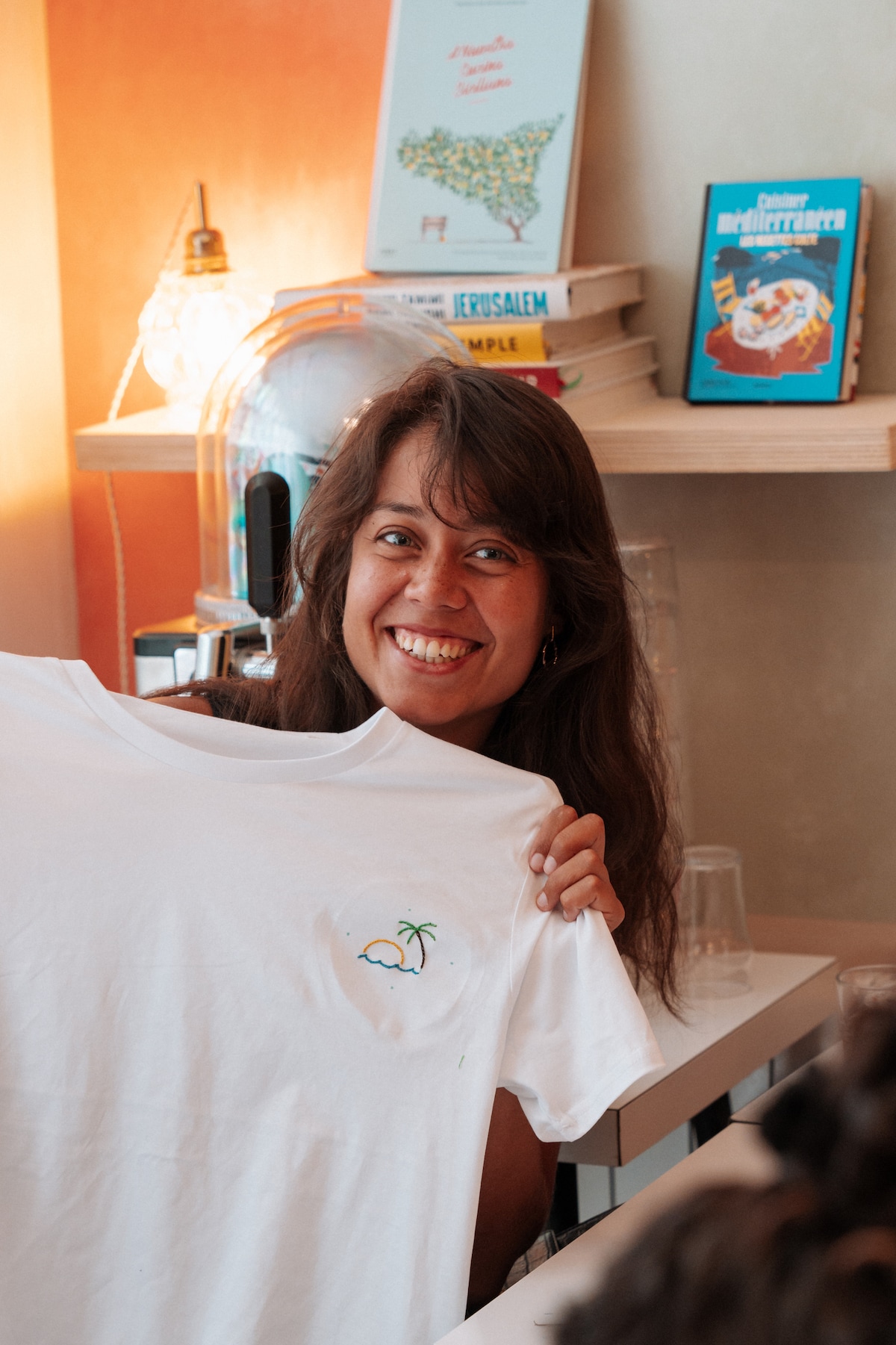
Paris sewing workshops
Stitch your own piece from scratch and leave with something you actually made.
1 z celkem 1 stránek
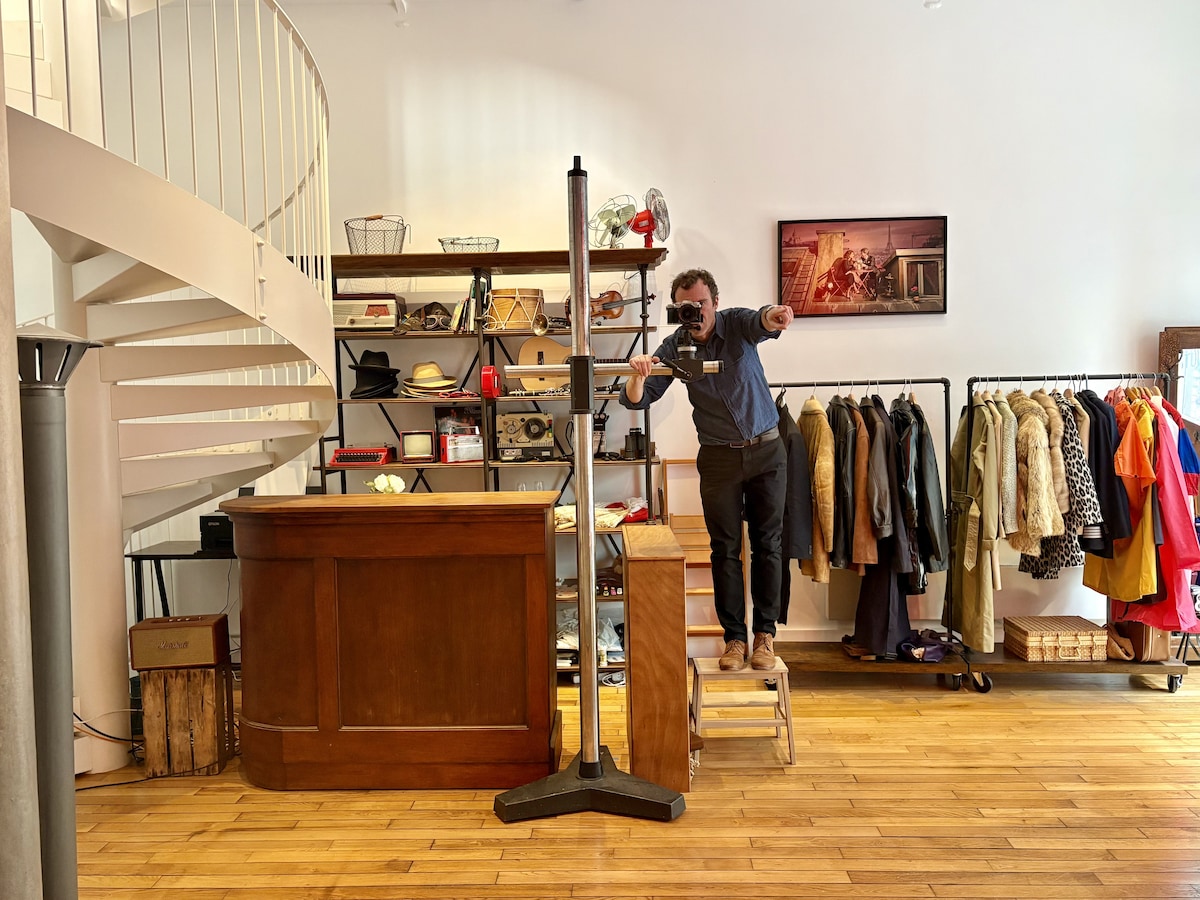
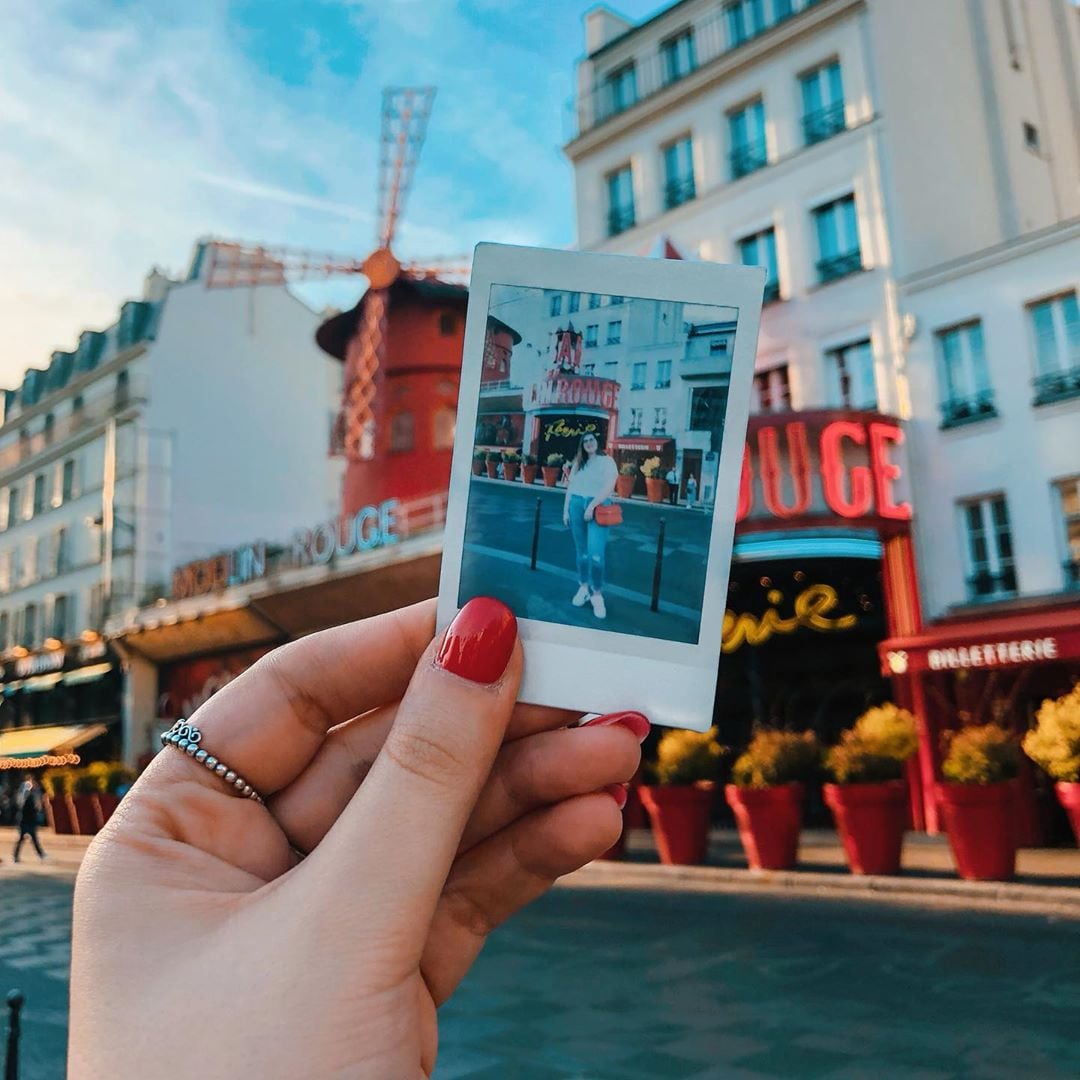
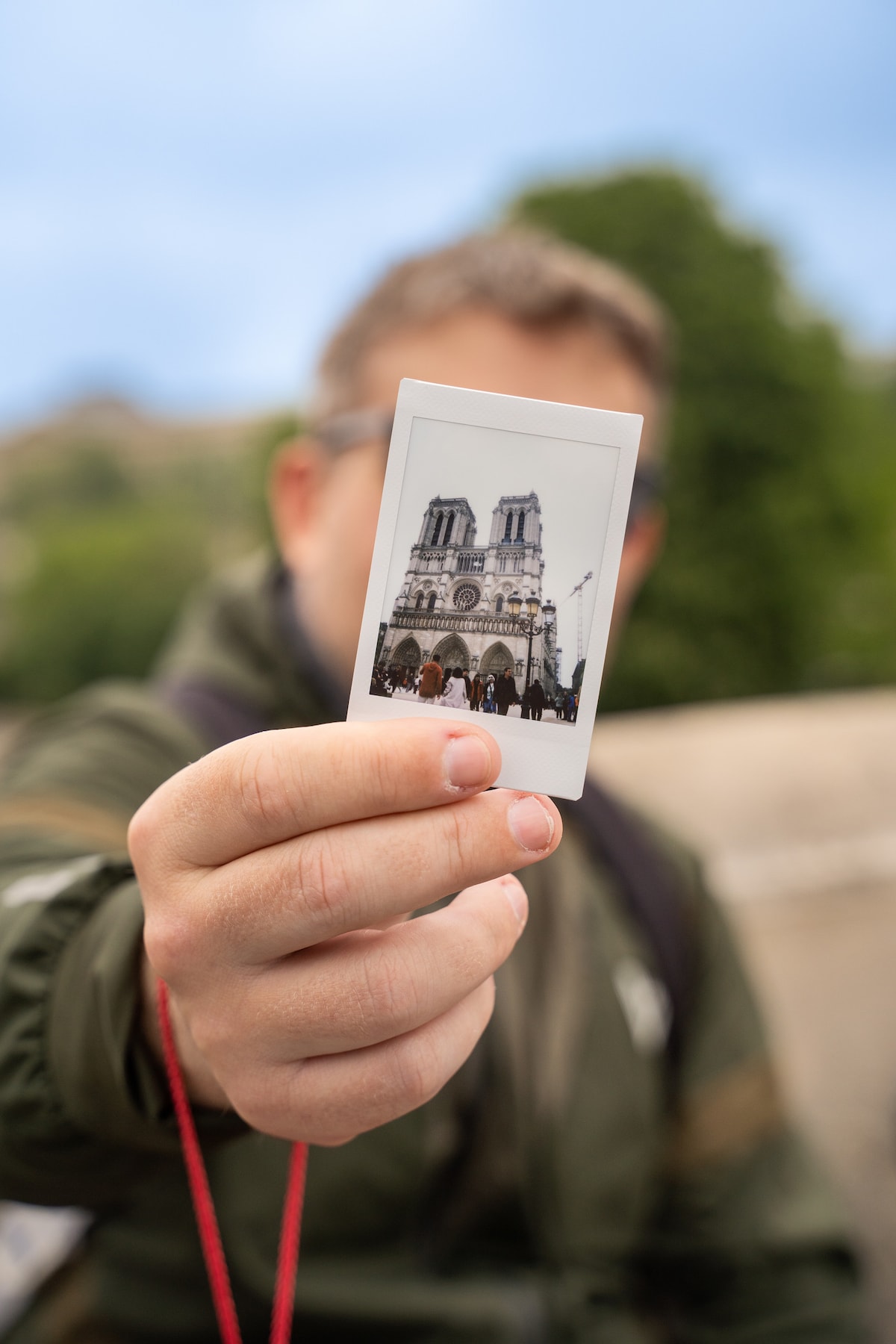
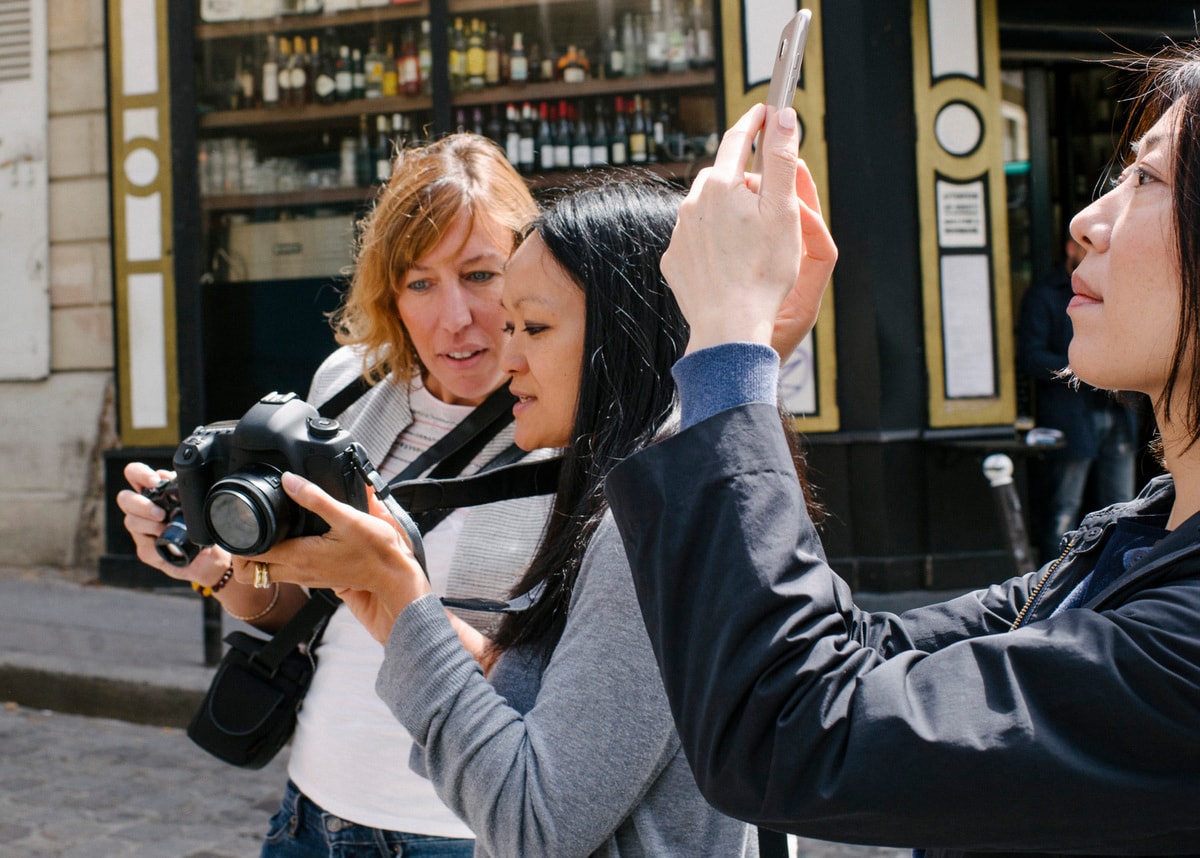
Paris photography workshops
See Paris through the lens and learn to capture it like a local.
1 z celkem 1 stránek


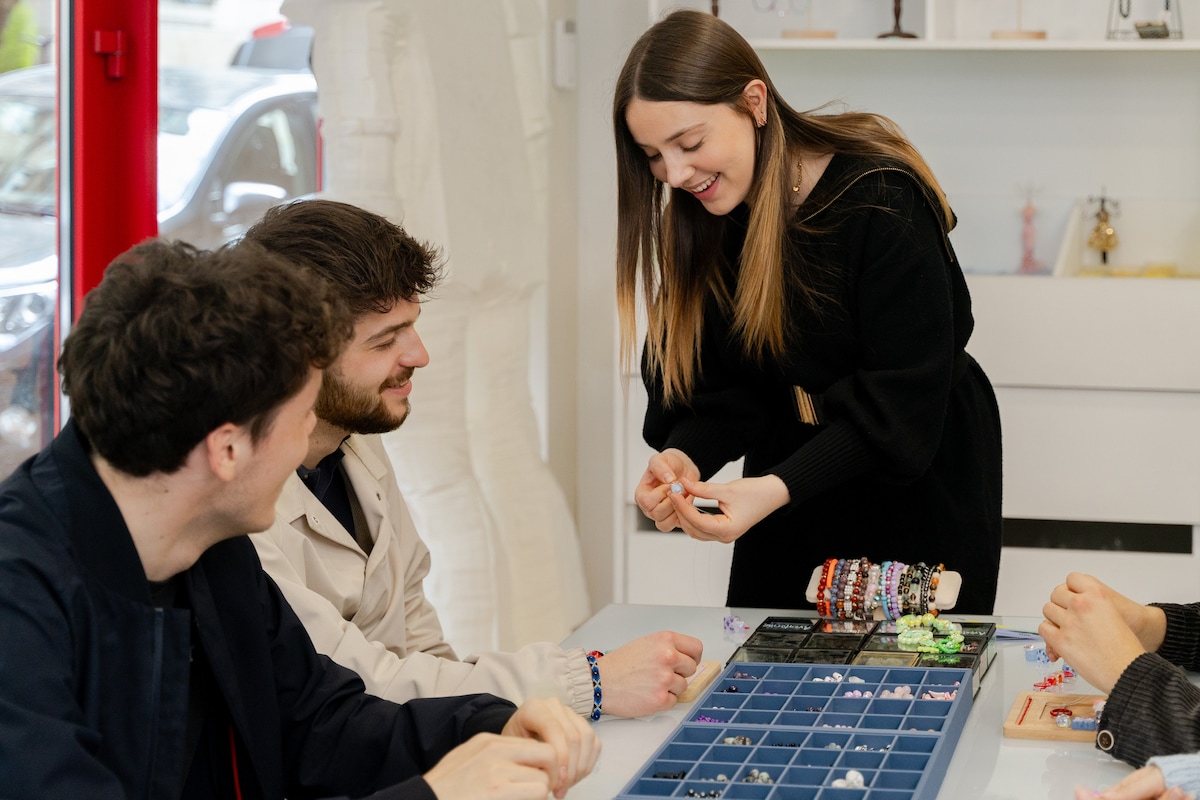
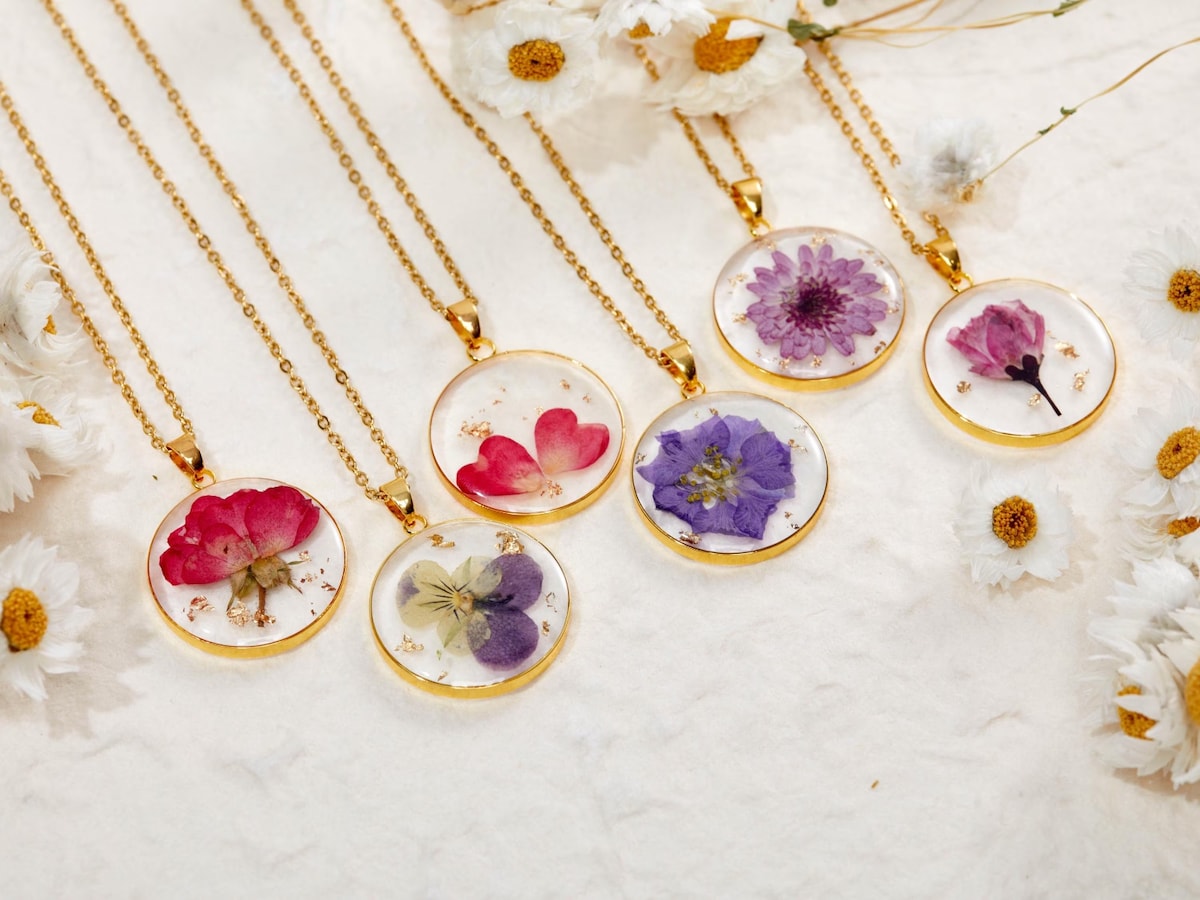
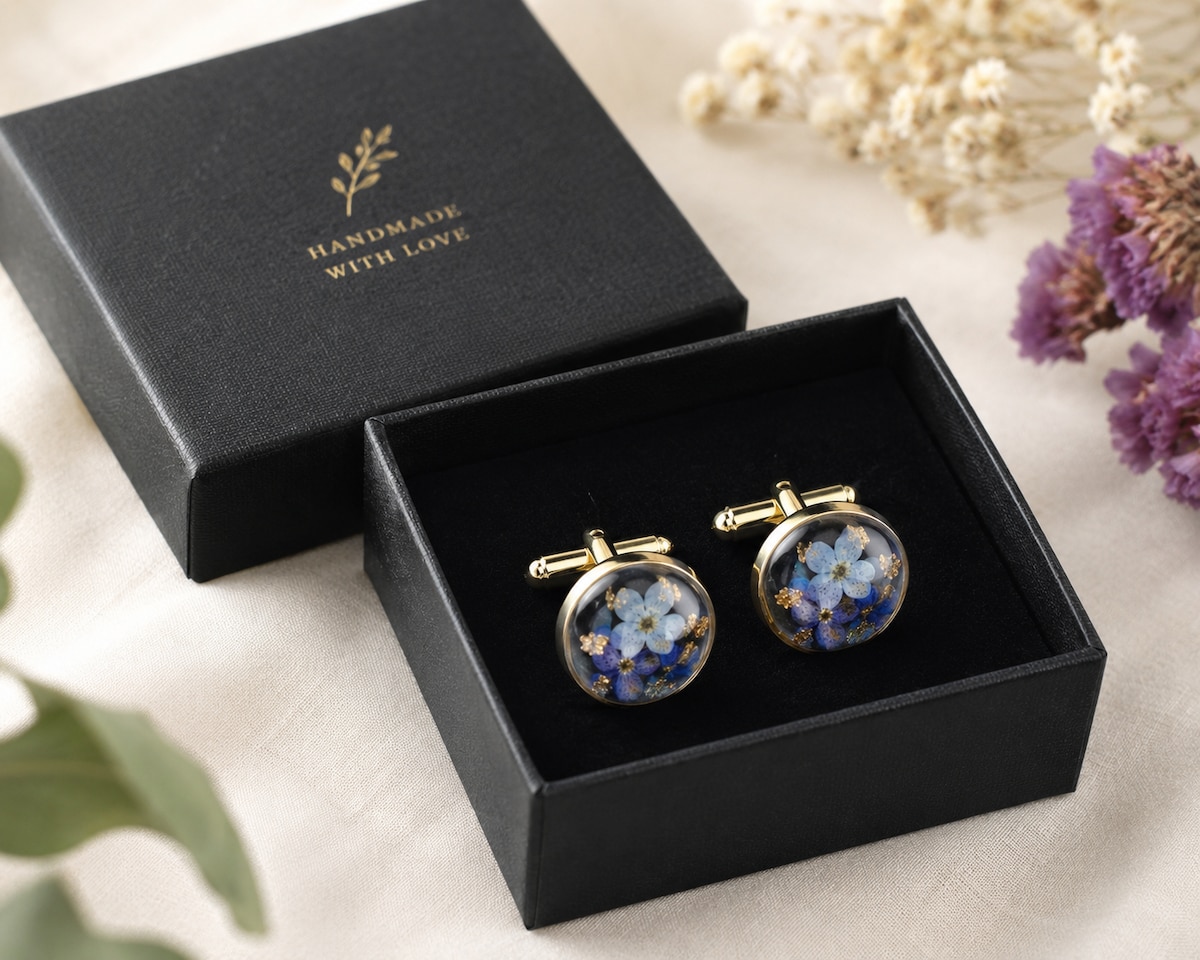
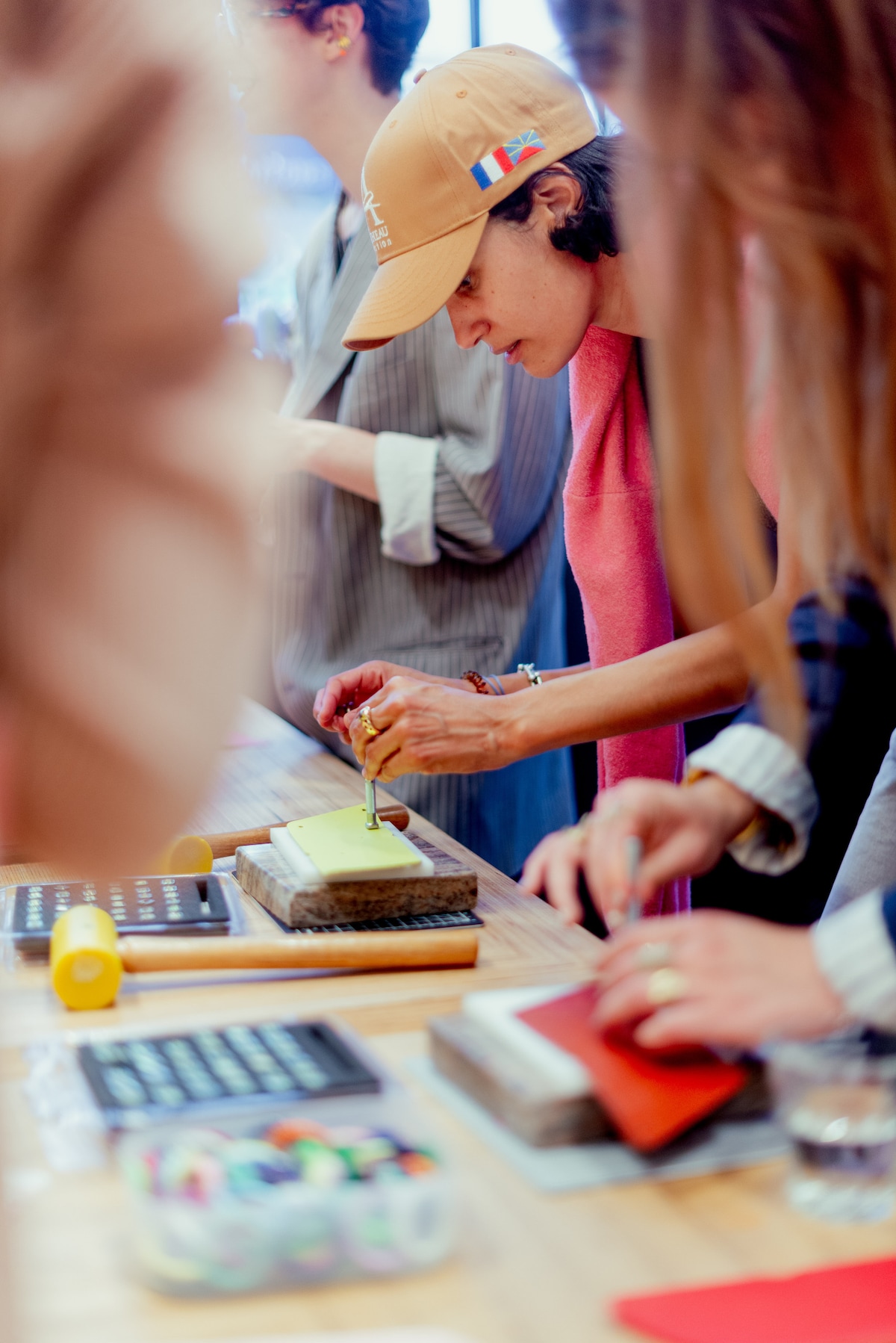
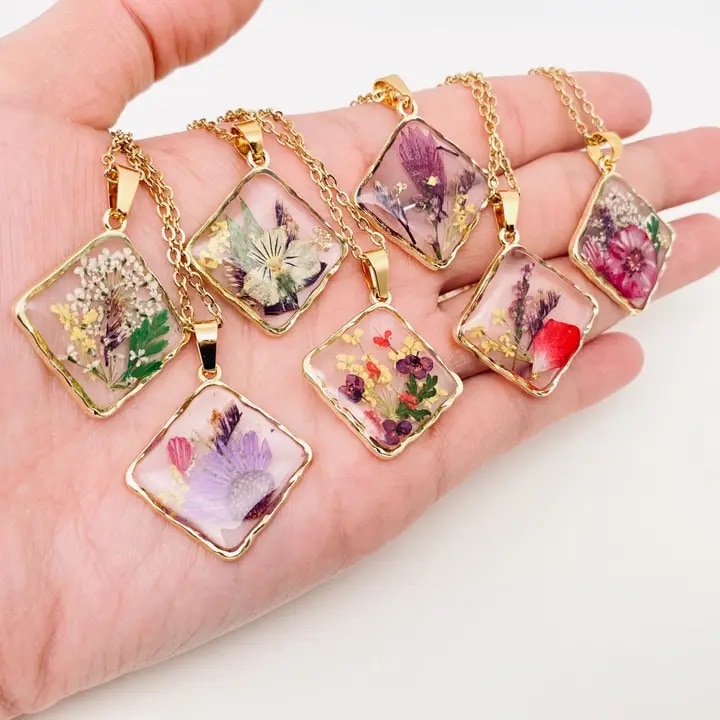
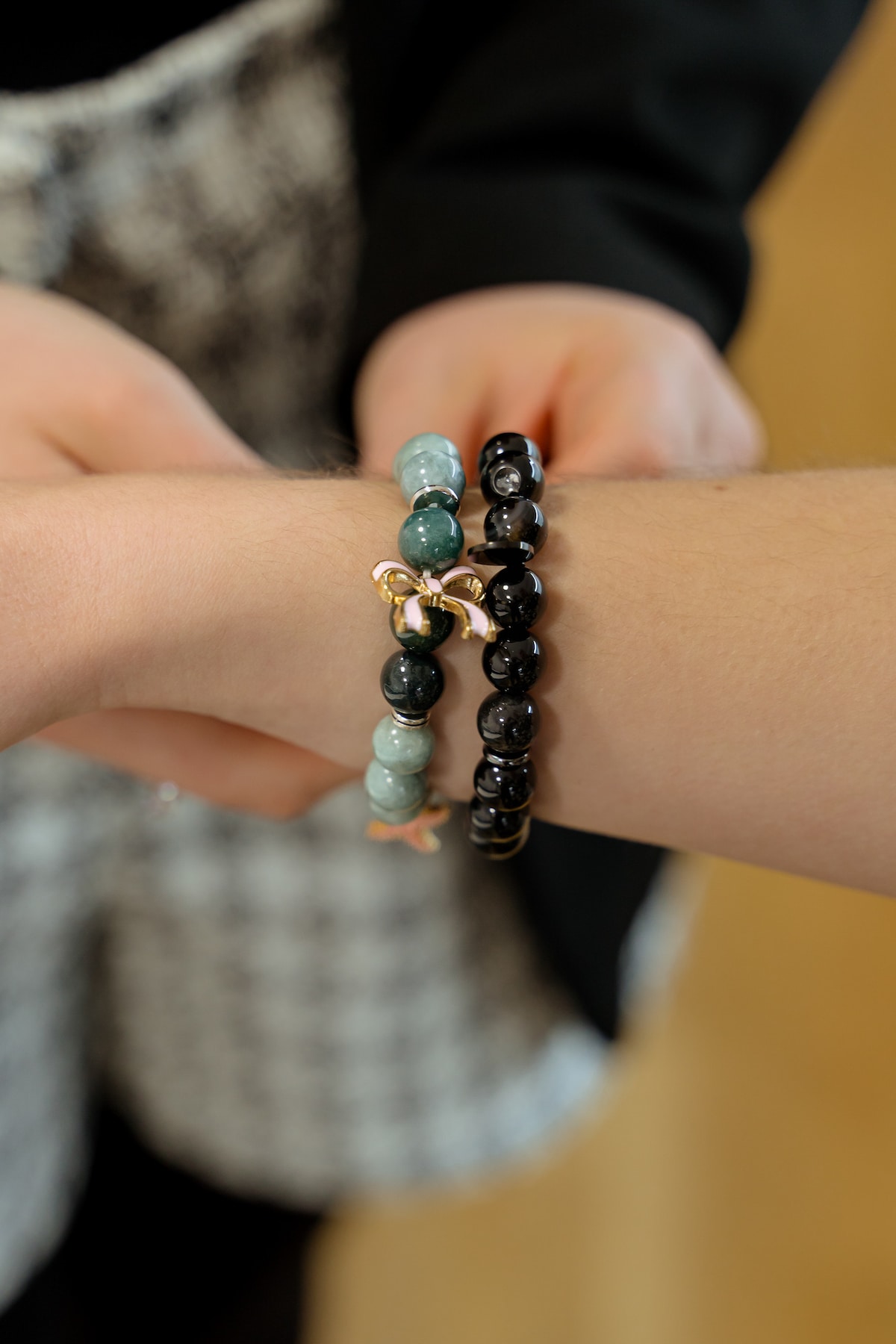
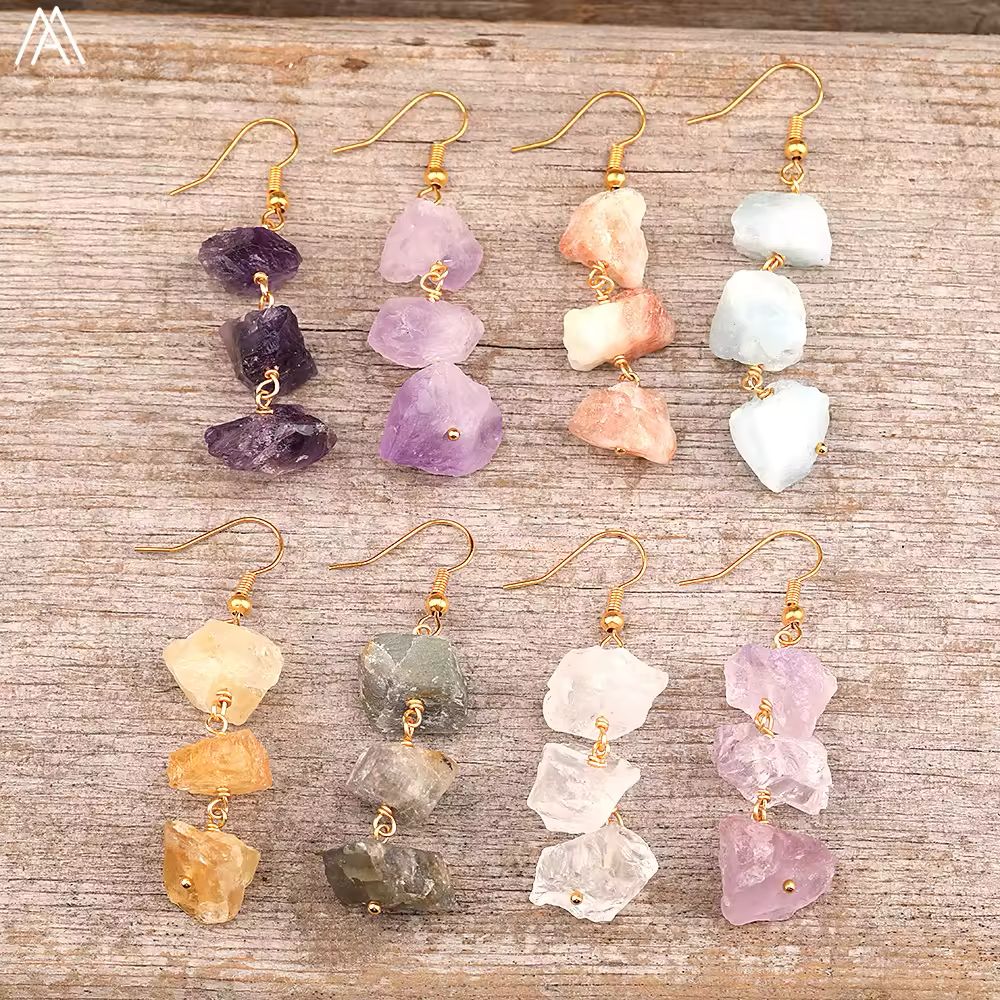
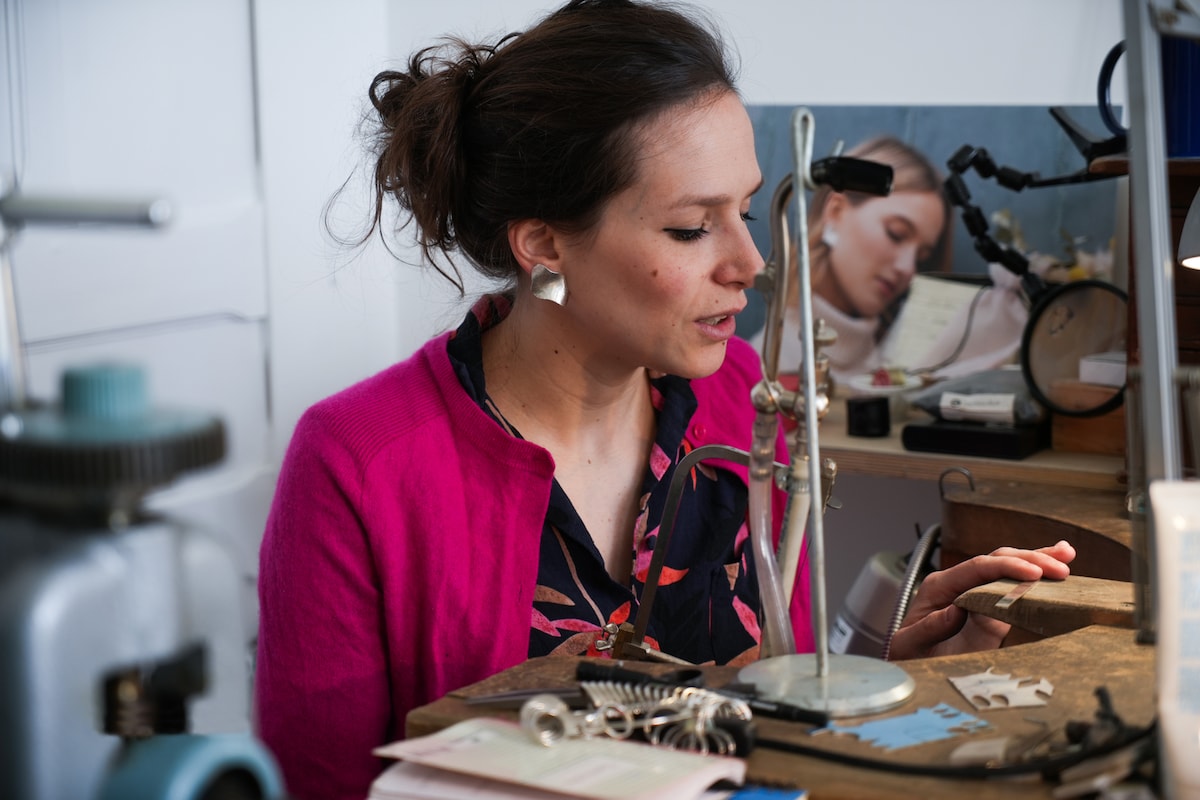
Paris jewelery workshops
Craft a ring or pendant by hand and wear something no one else has.
1 z celkem 1 stránek
Paris cooking classes
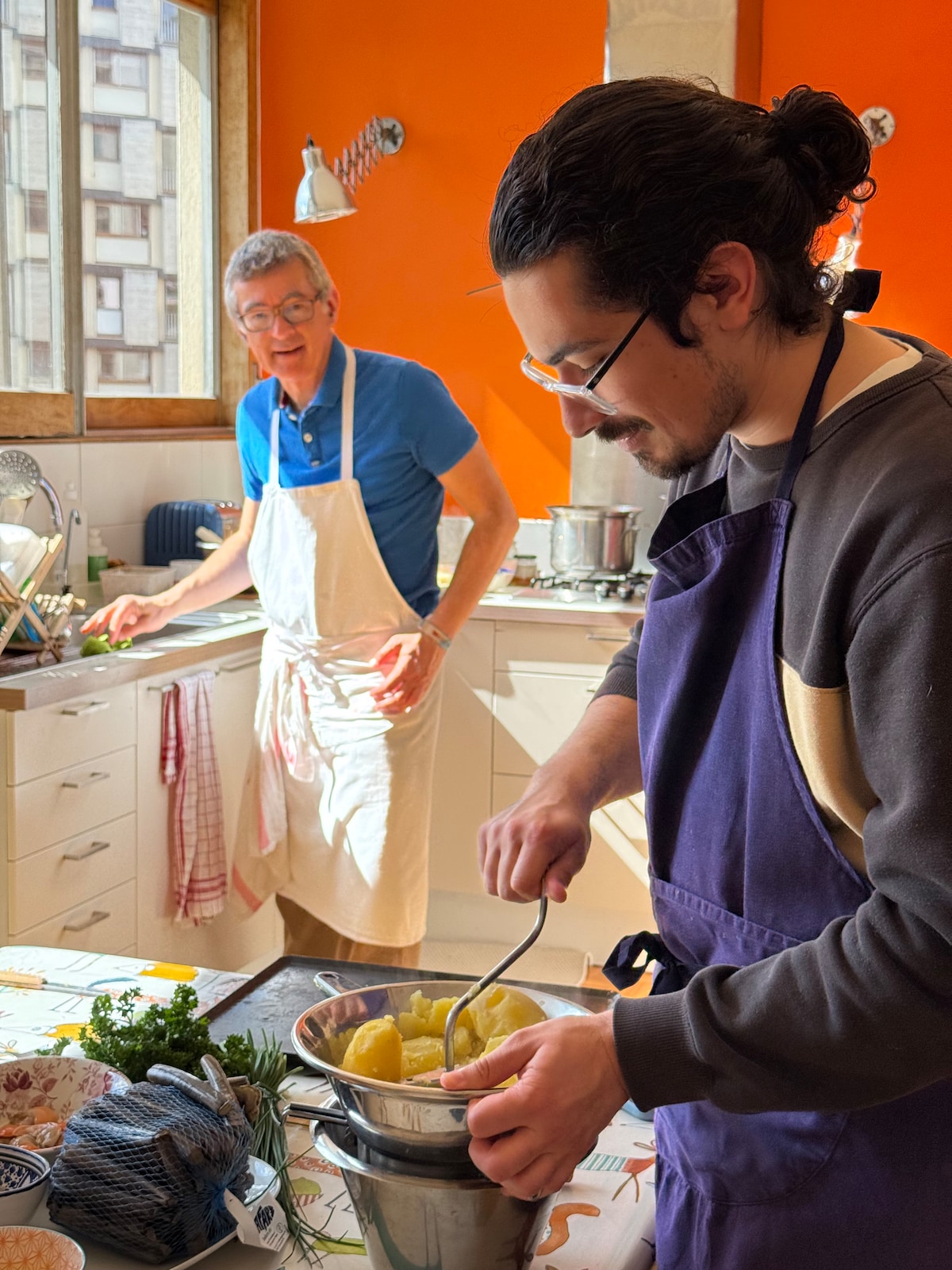
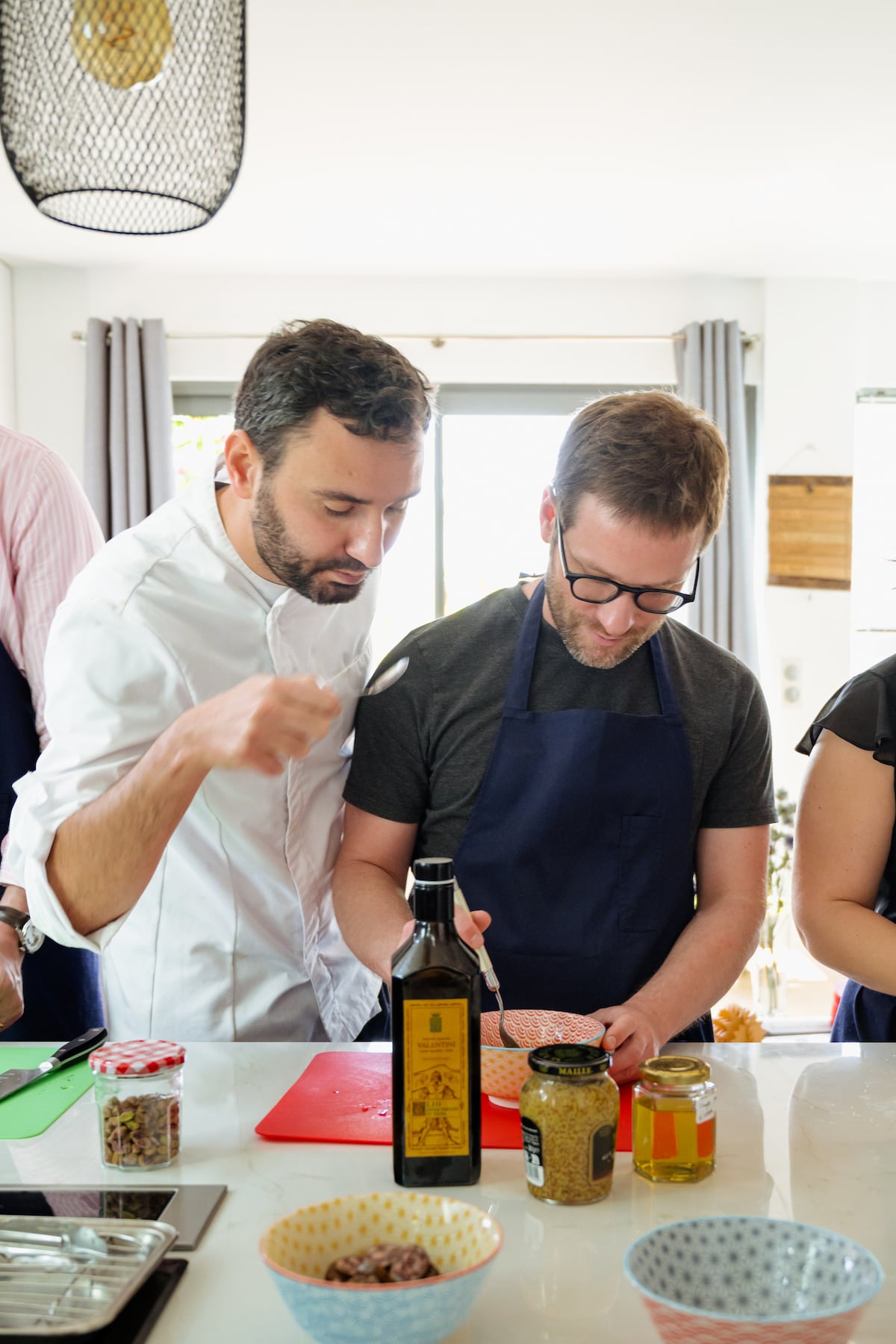
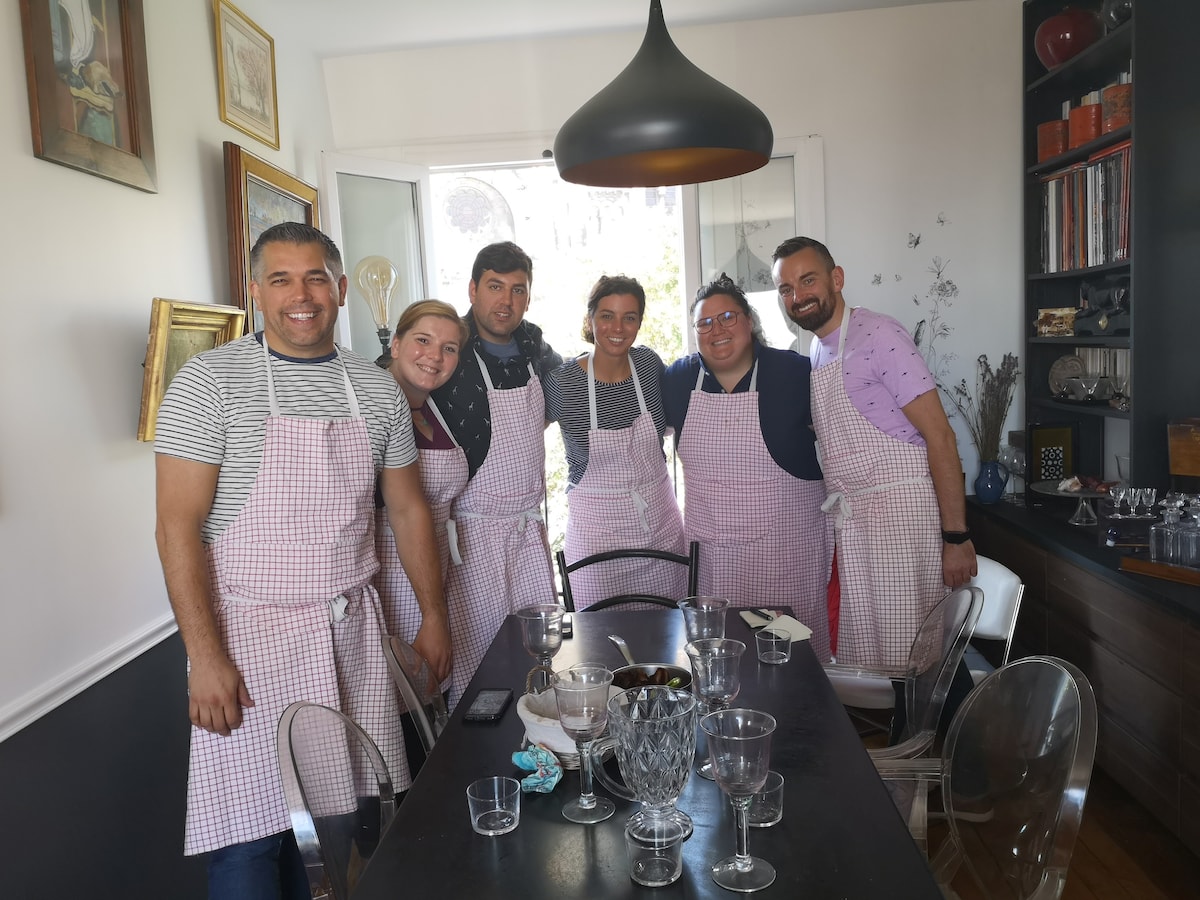
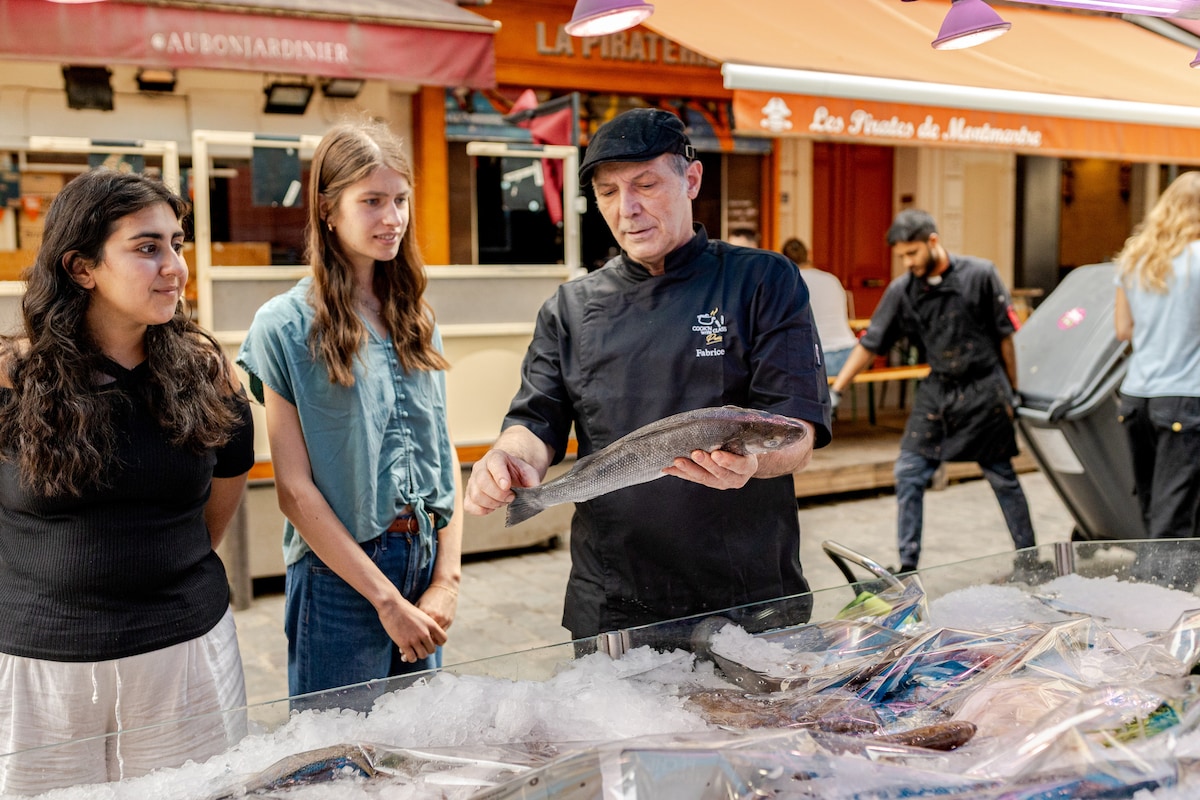
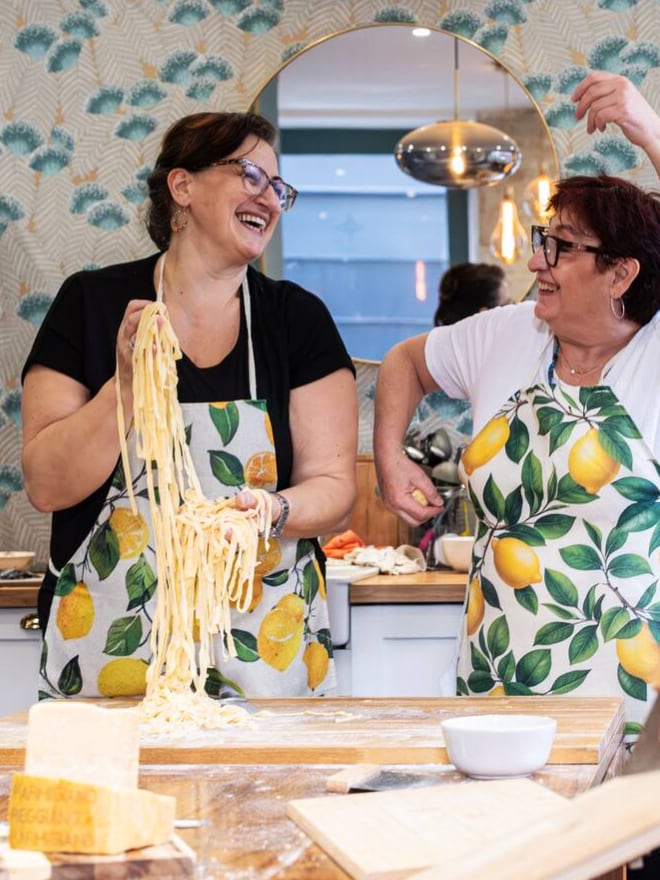
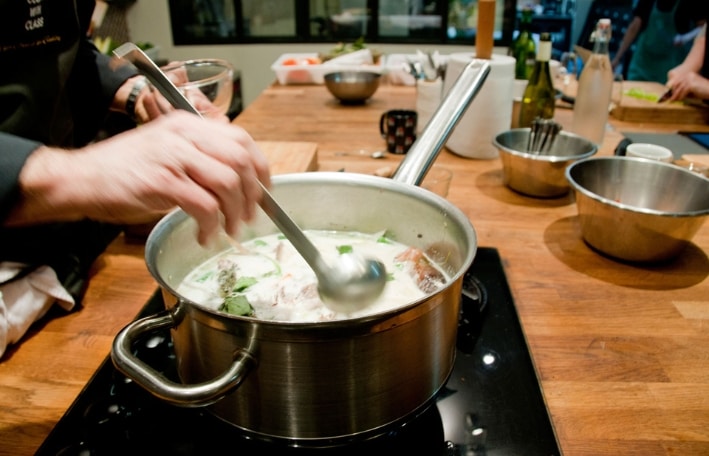
Cook a French meal from scratch, then sit down to enjoy every bite.
1 z celkem 1 stránek
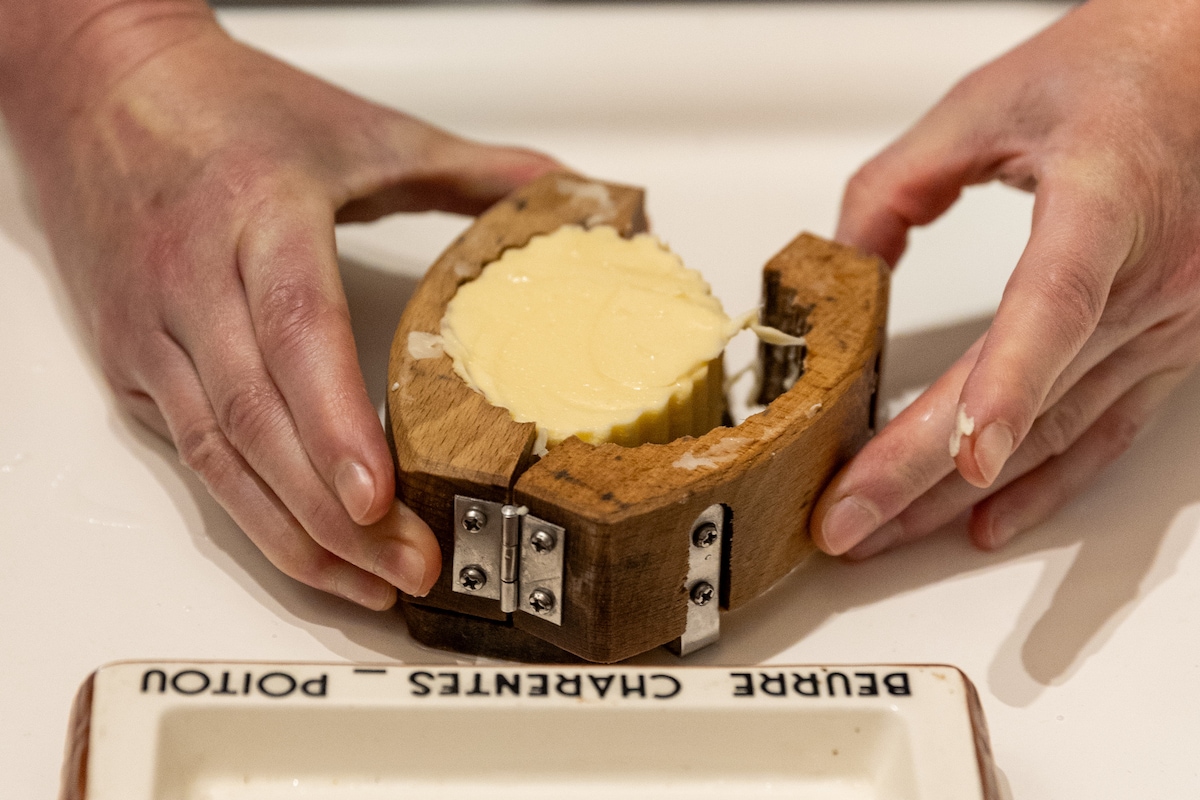
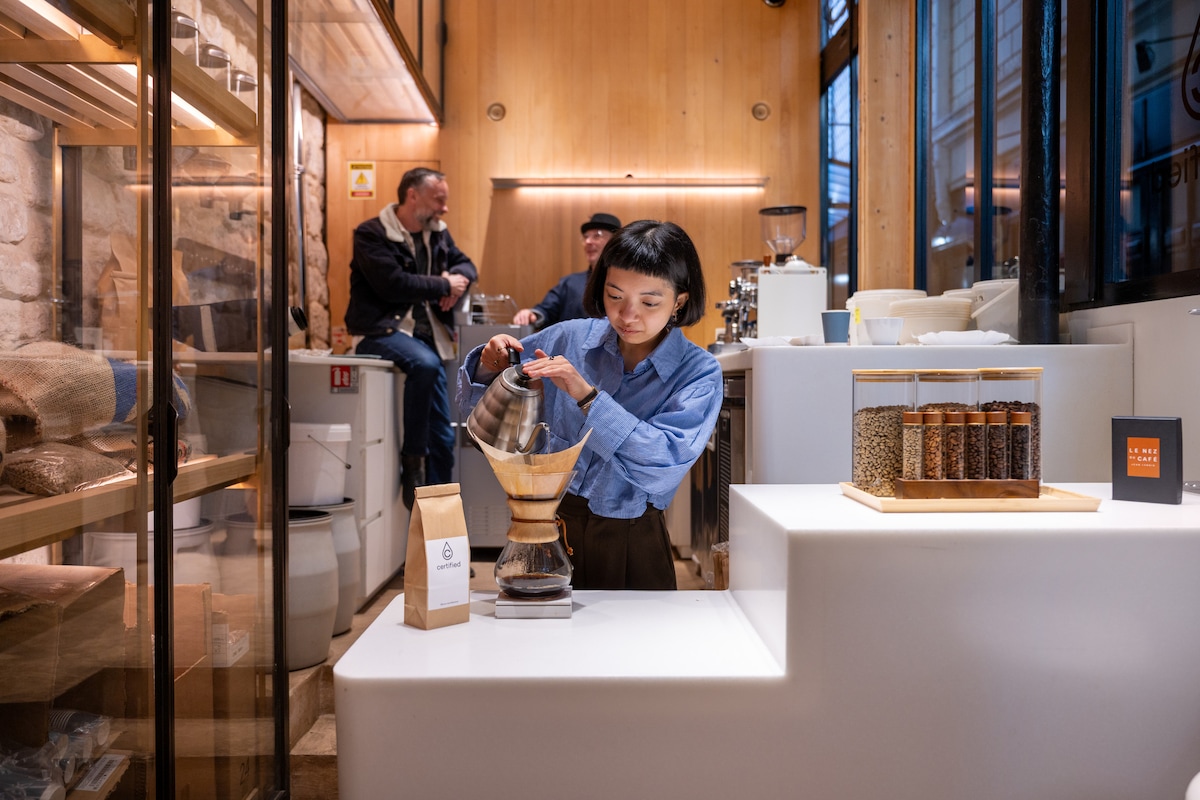
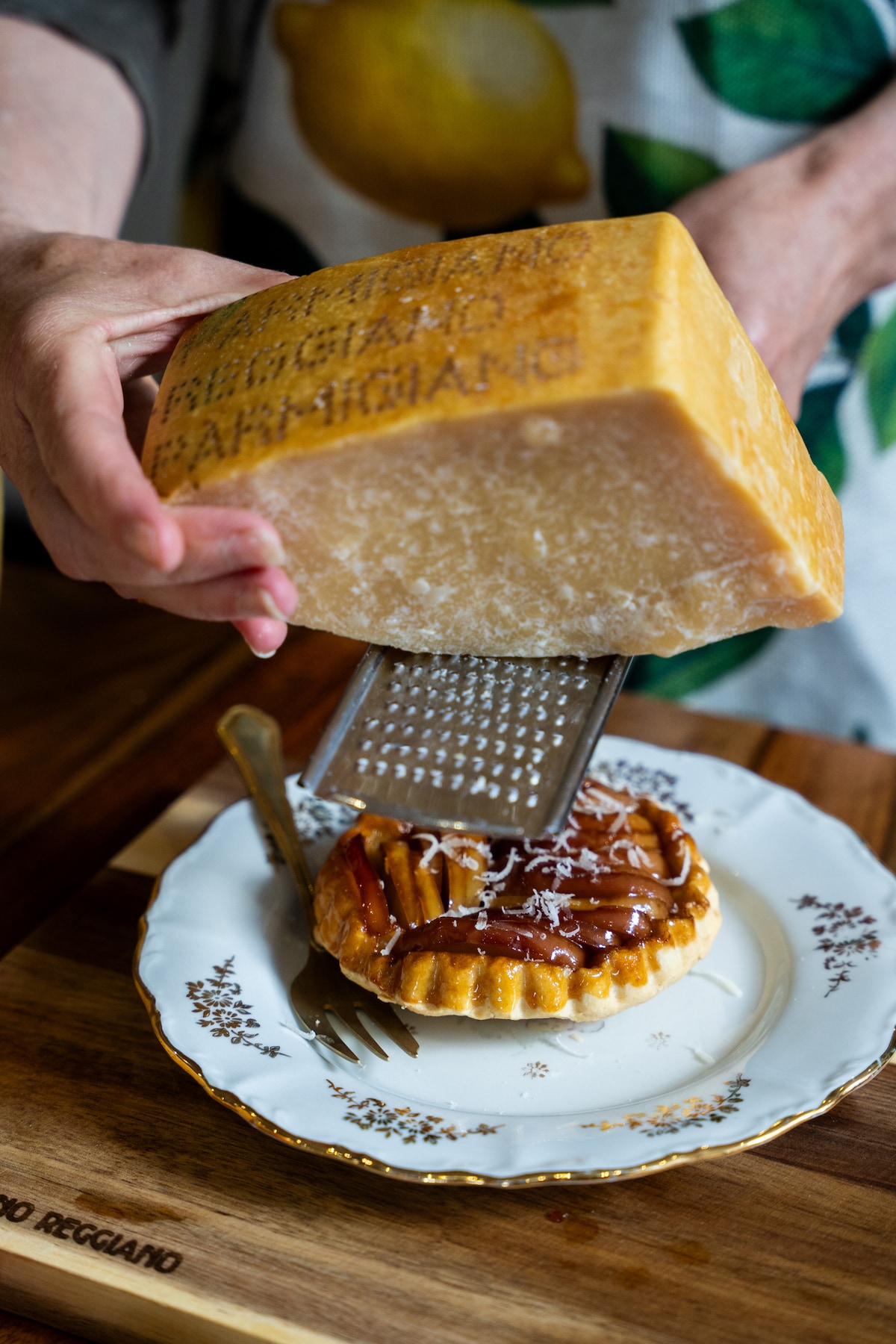
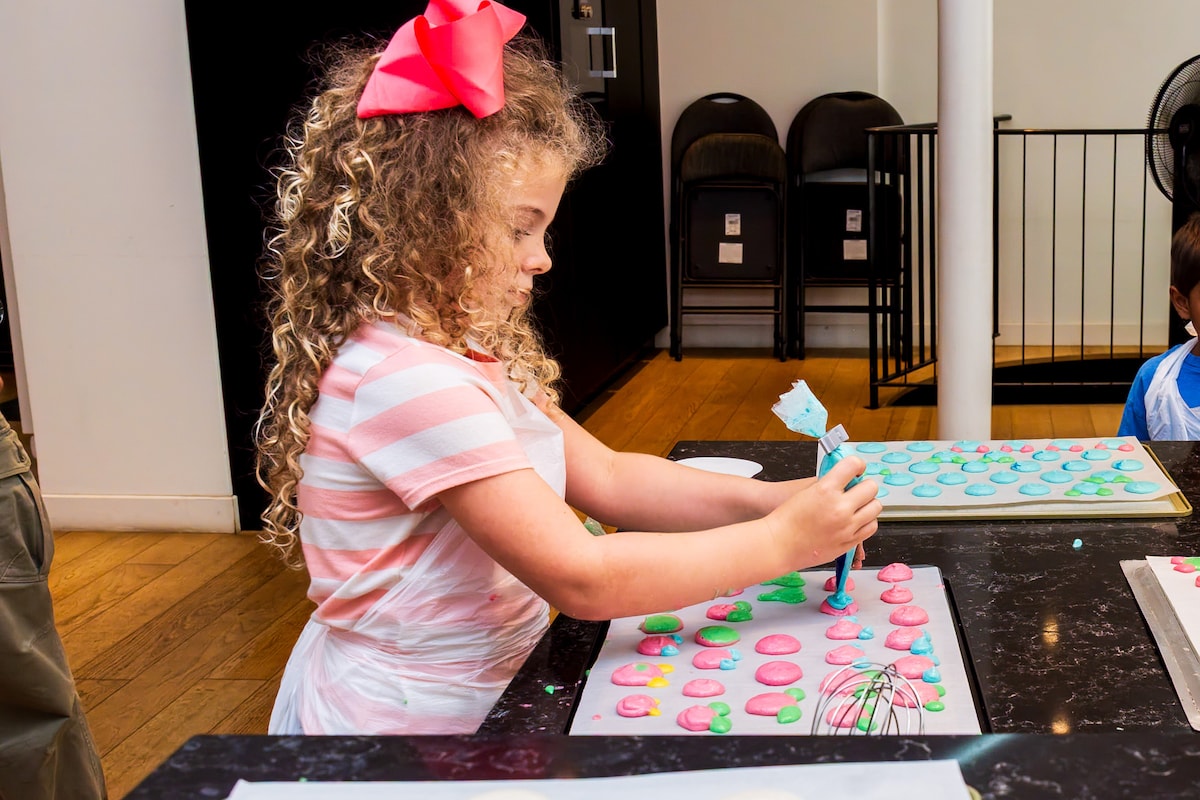

Other popular workshops in Paris
Book the most-loved workshops across the city.
1 z celkem 1 stránek


About workshops in Paris
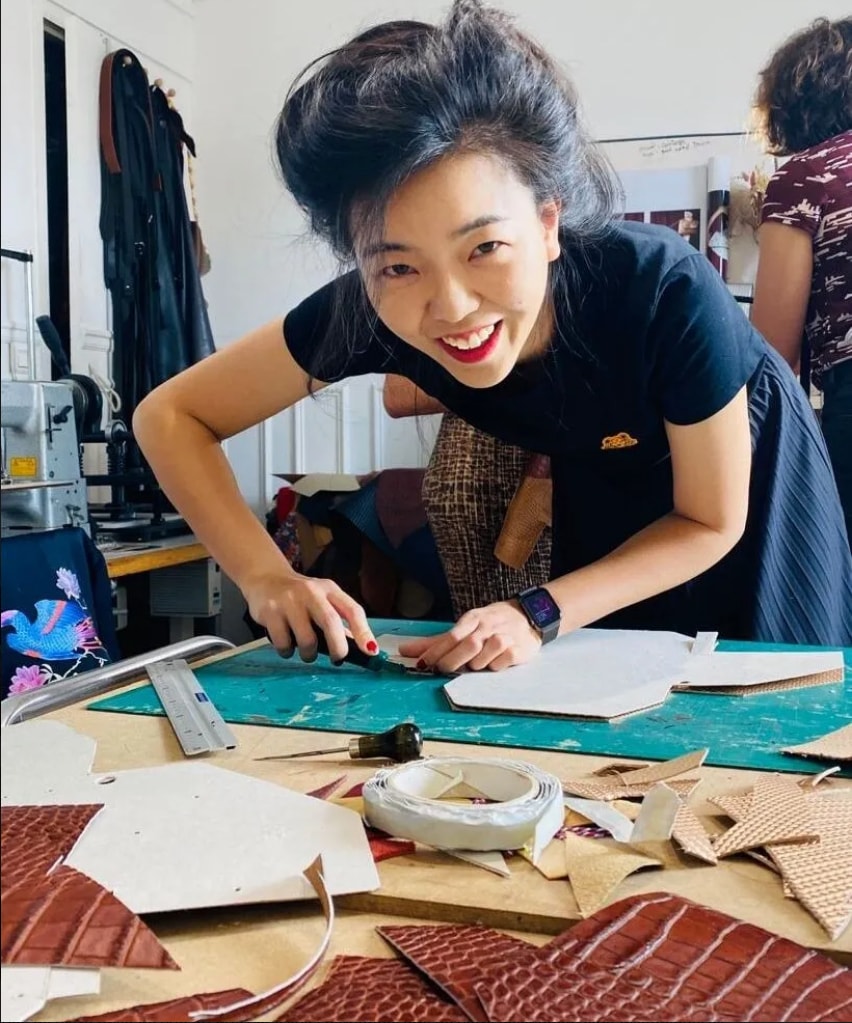
Workshops in Paris open the door to a city shaped as much by its artisans as by its architecture. For centuries, Parisian craftspeople, bakers, and perfumers have worked within a deep tradition, passing specialized knowledge through guilds and studios spread across the city’s arrondissements. That lineage is still very much alive in the local artisans leading sessions in ceramics, jewelry making, and drawing. Airbnb Experiences offer direct access to the craft traditions that have shaped Parisian culture for generations, guided by the people who continue to carry that knowledge forward.
Top highlights for your visit

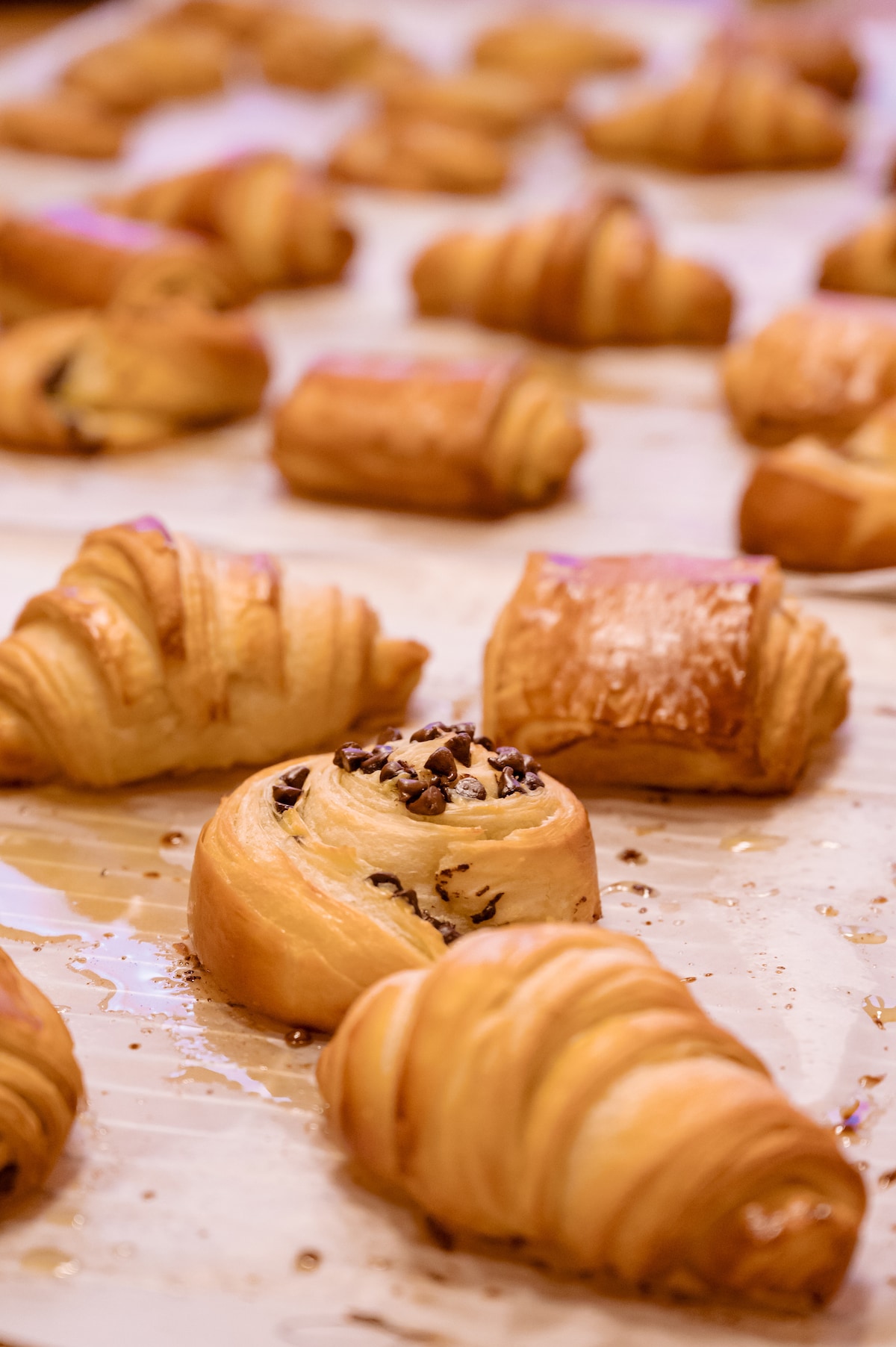
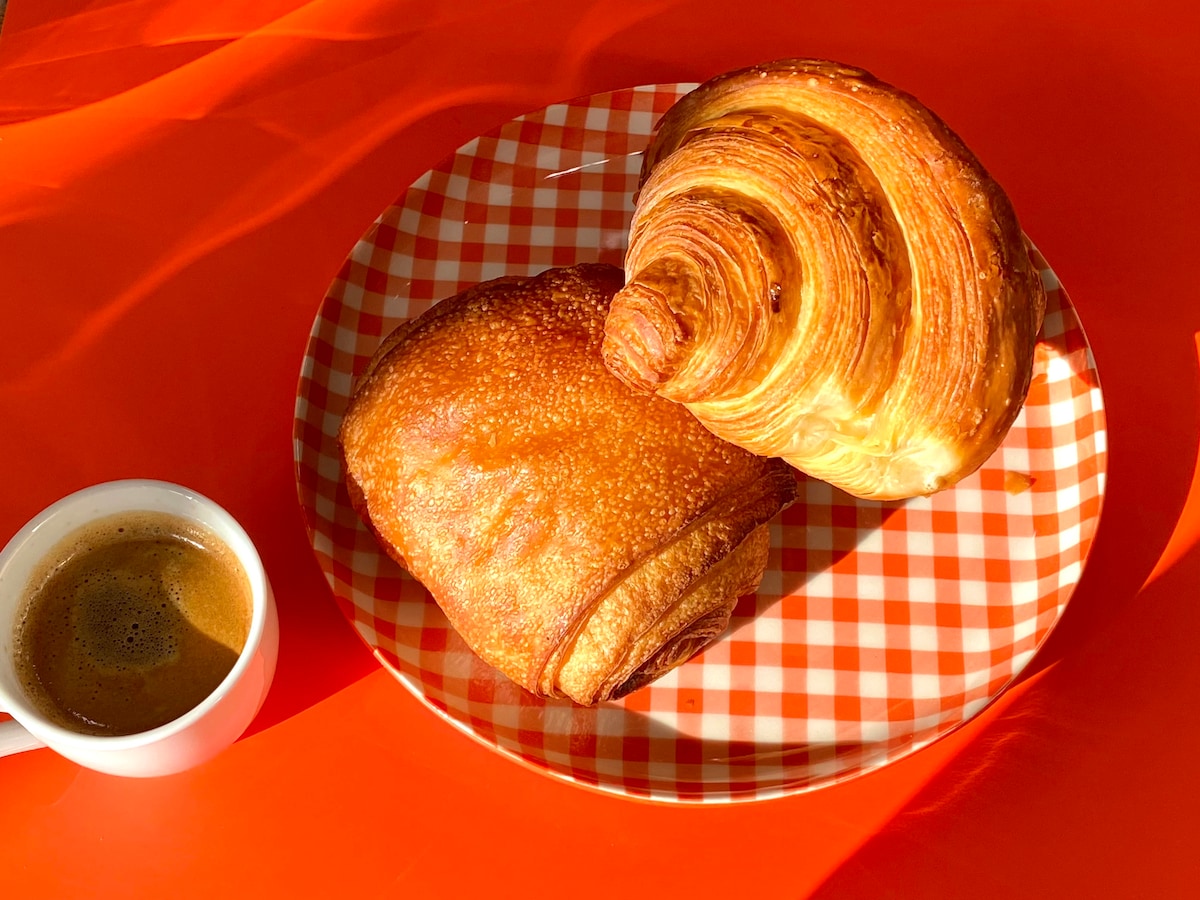
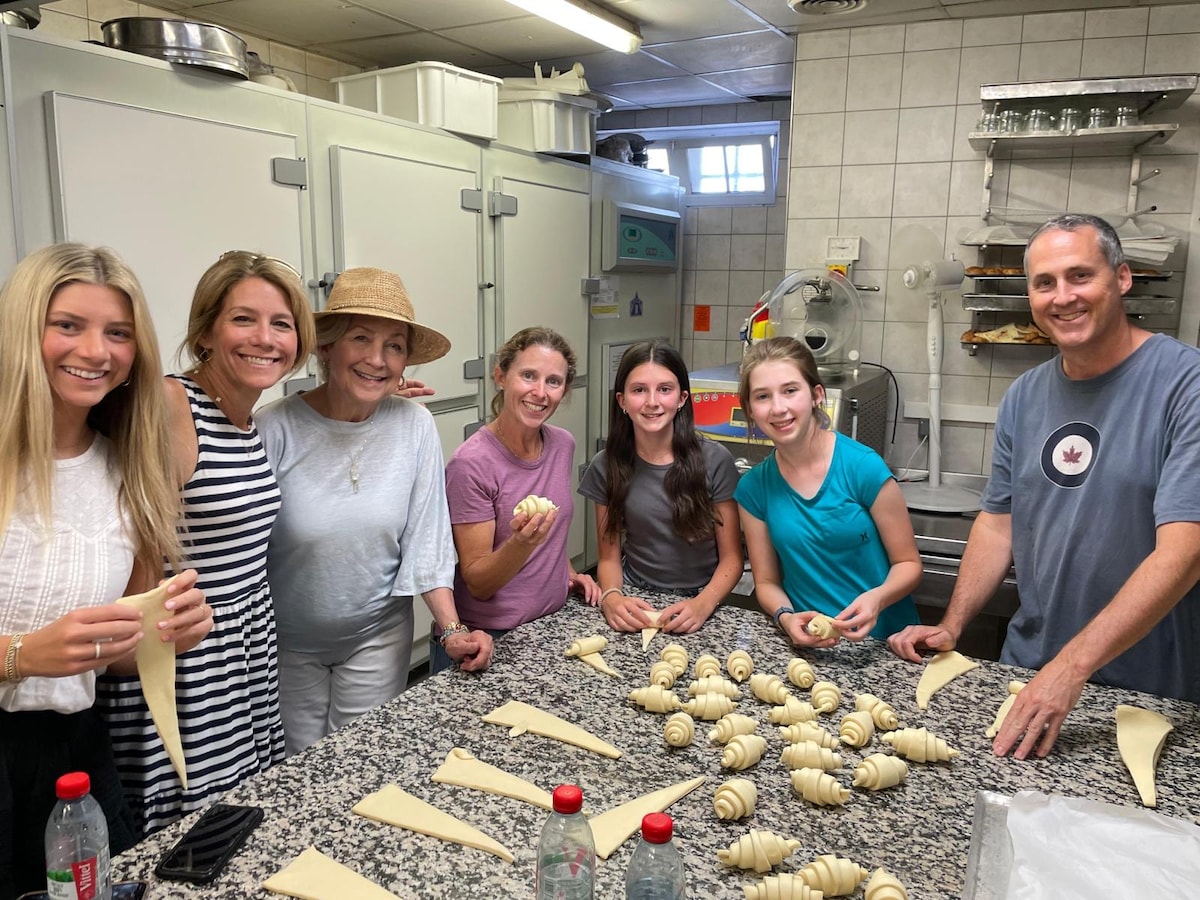
Croissant baking
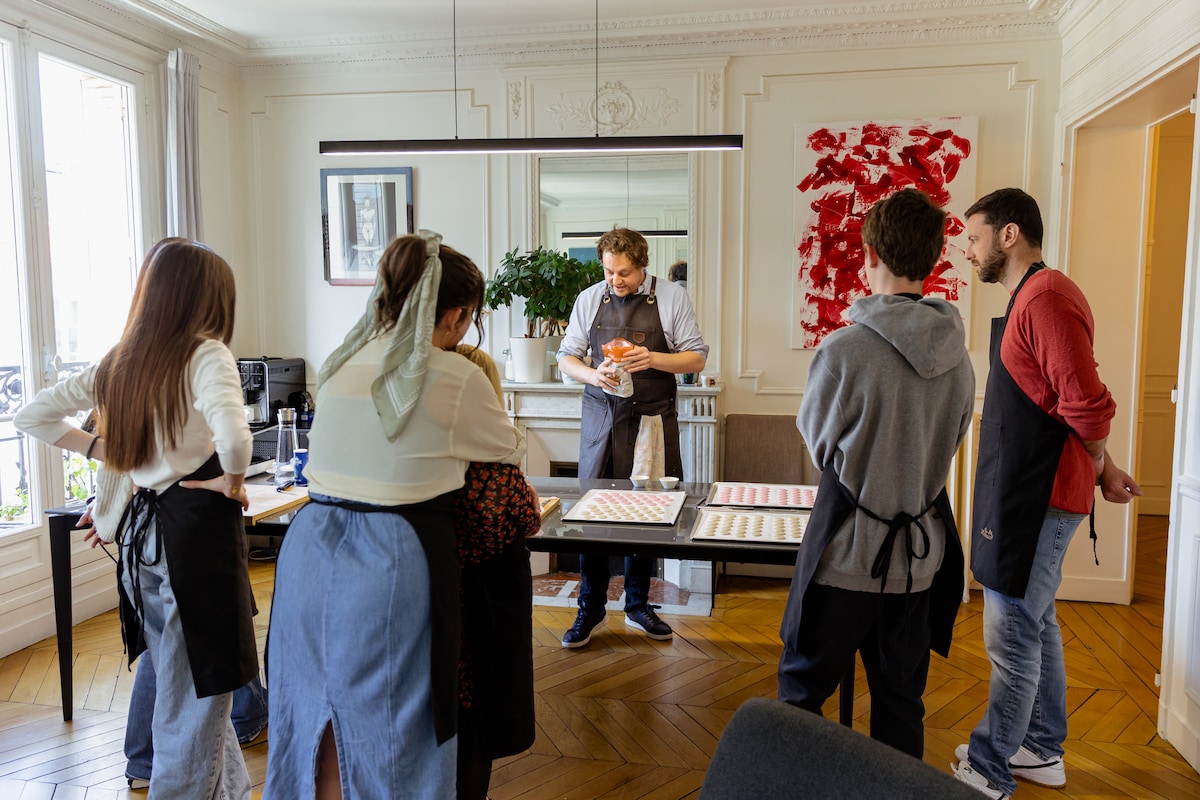
Professional pastry chefs lead hands-on viennoiserie classes, teaching the precise folding and lamination techniques behind a traditional French croissant.

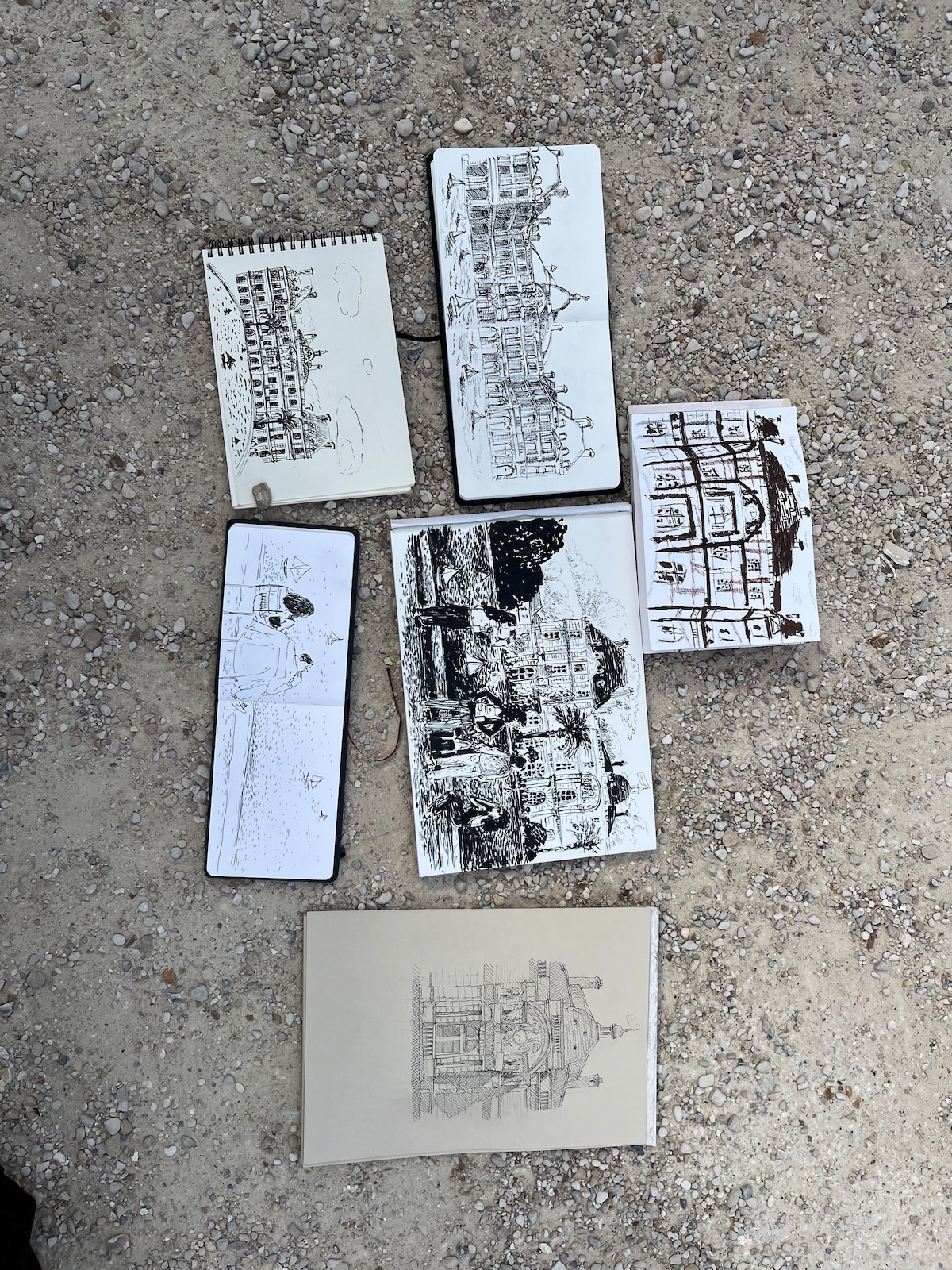
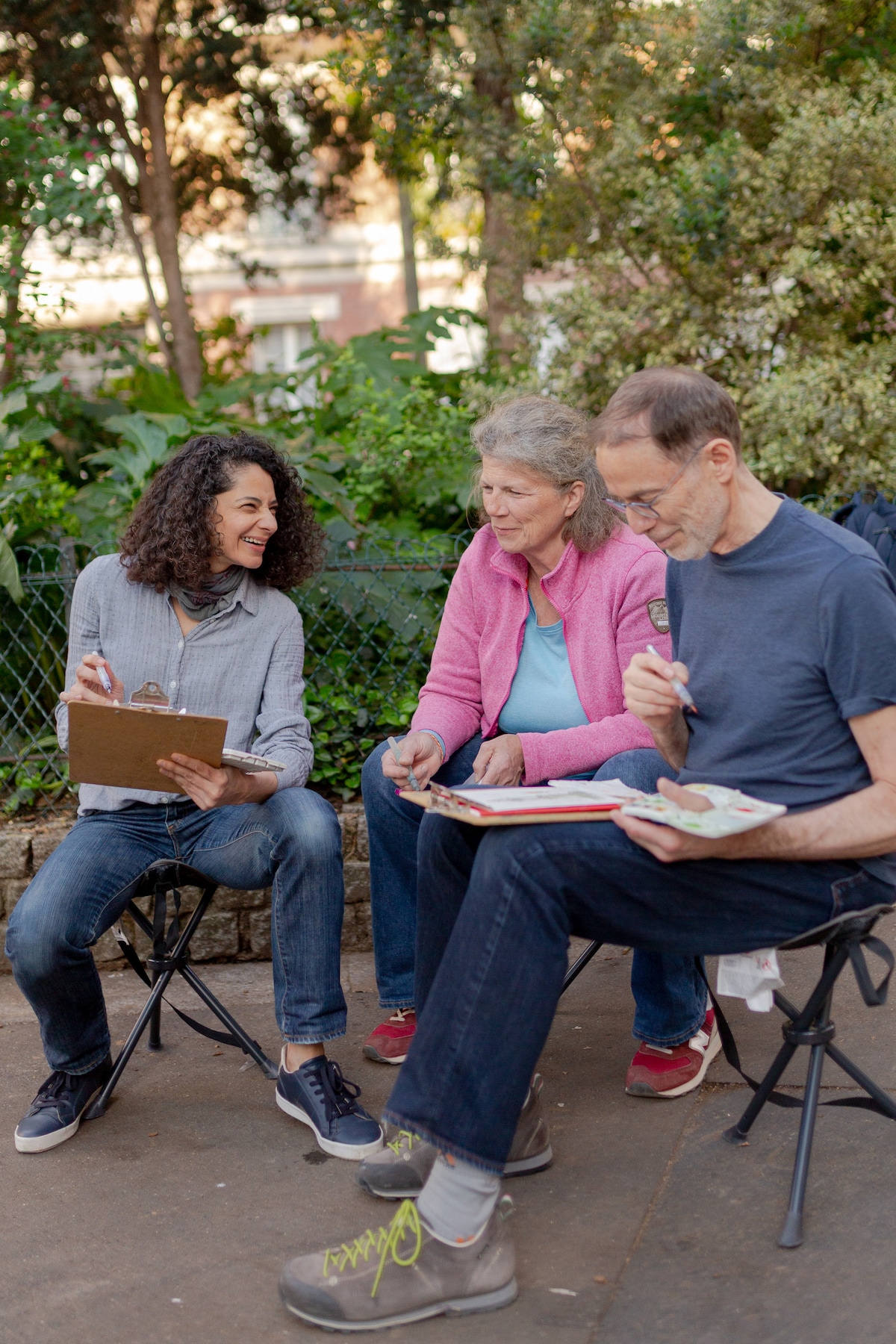
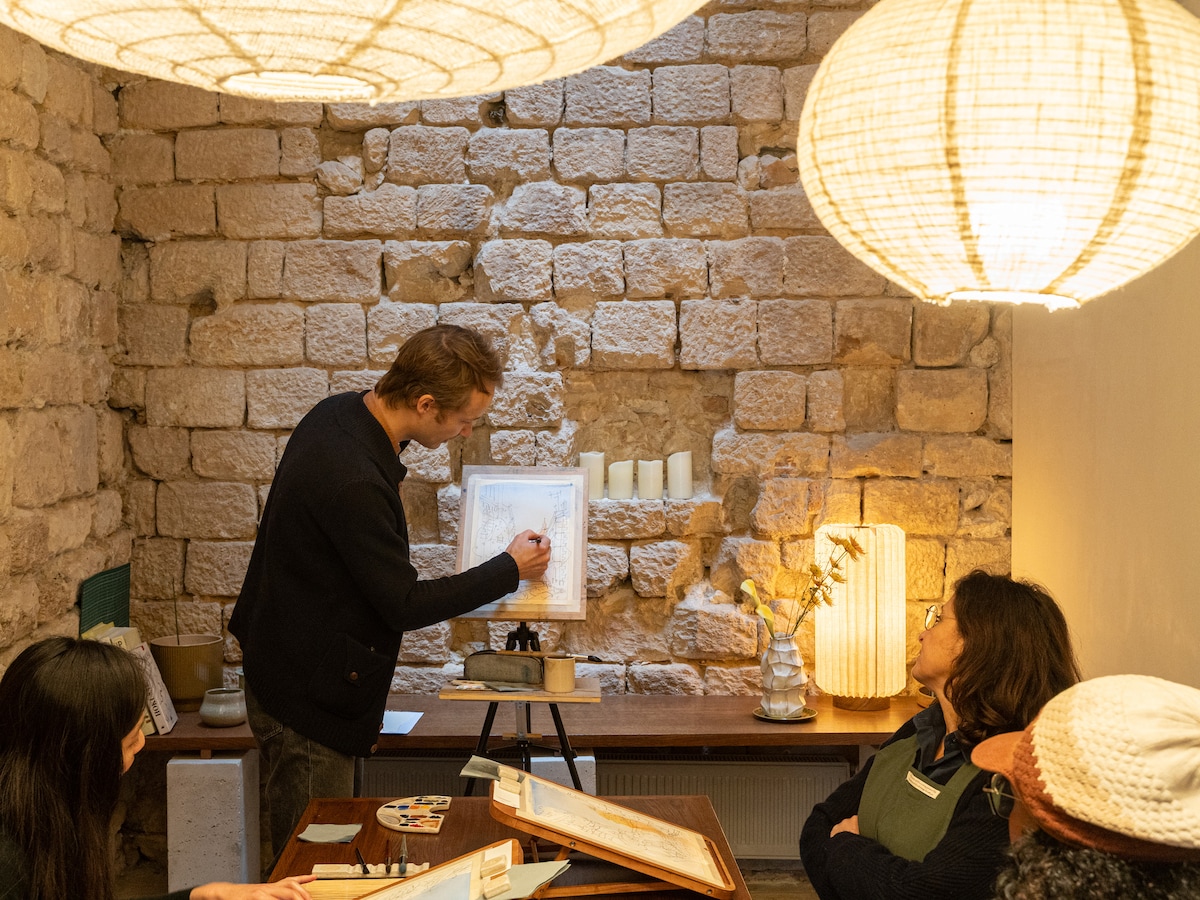
Art lessons
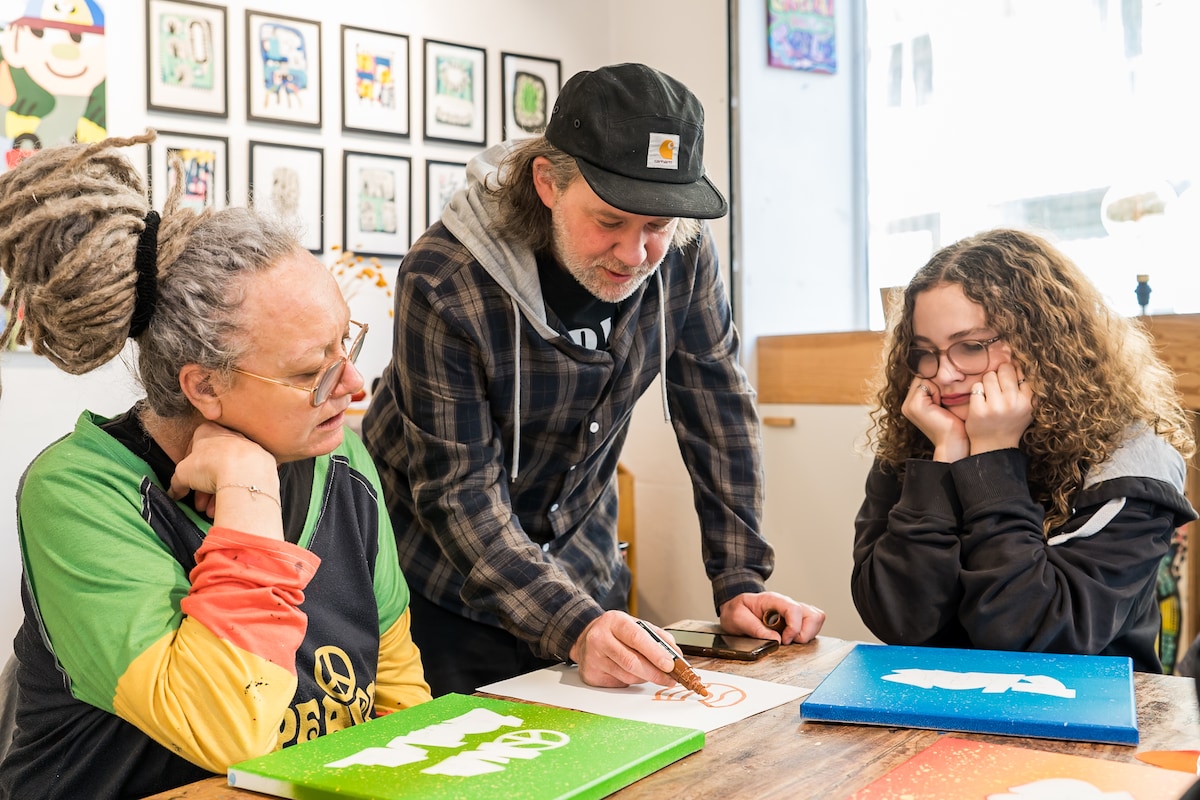
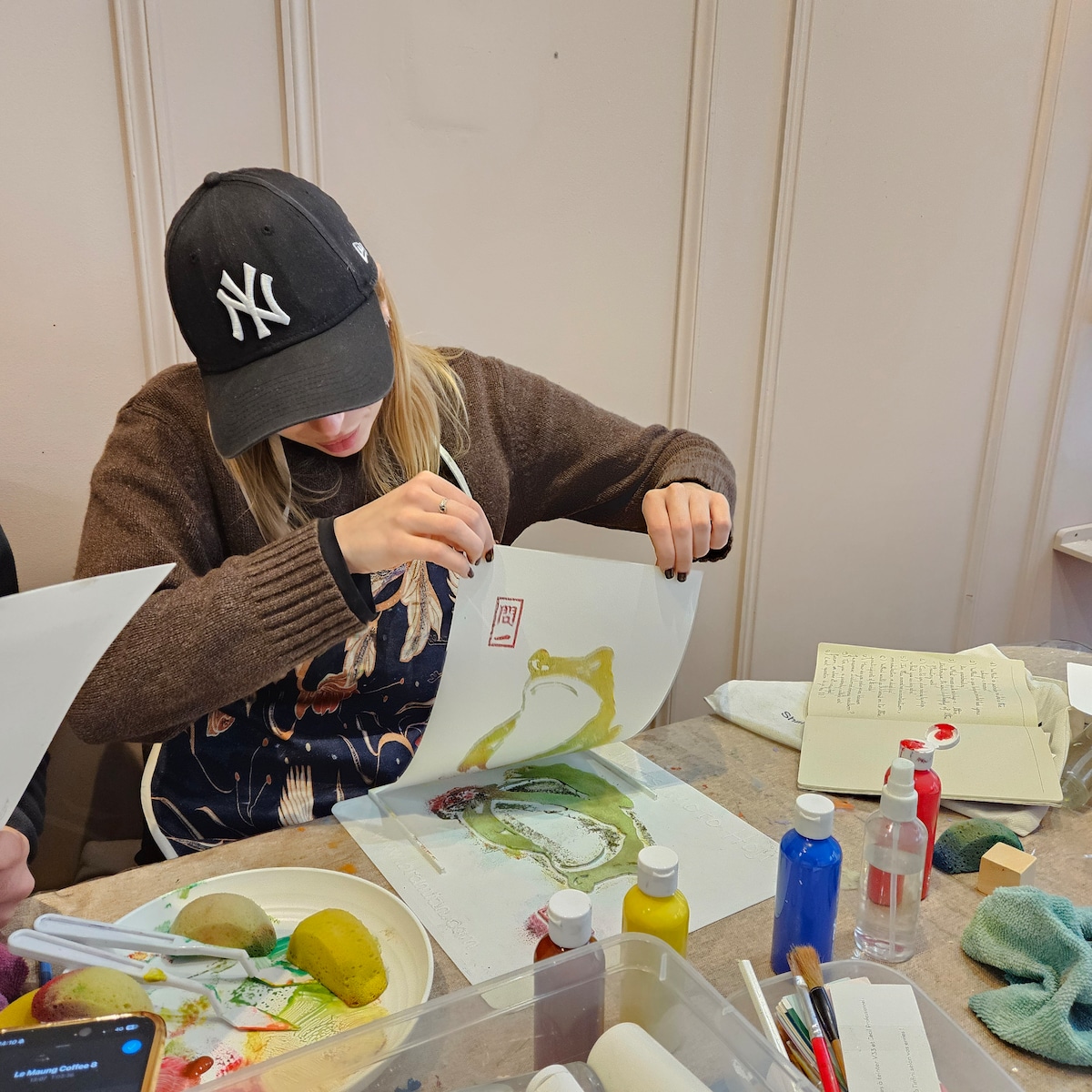
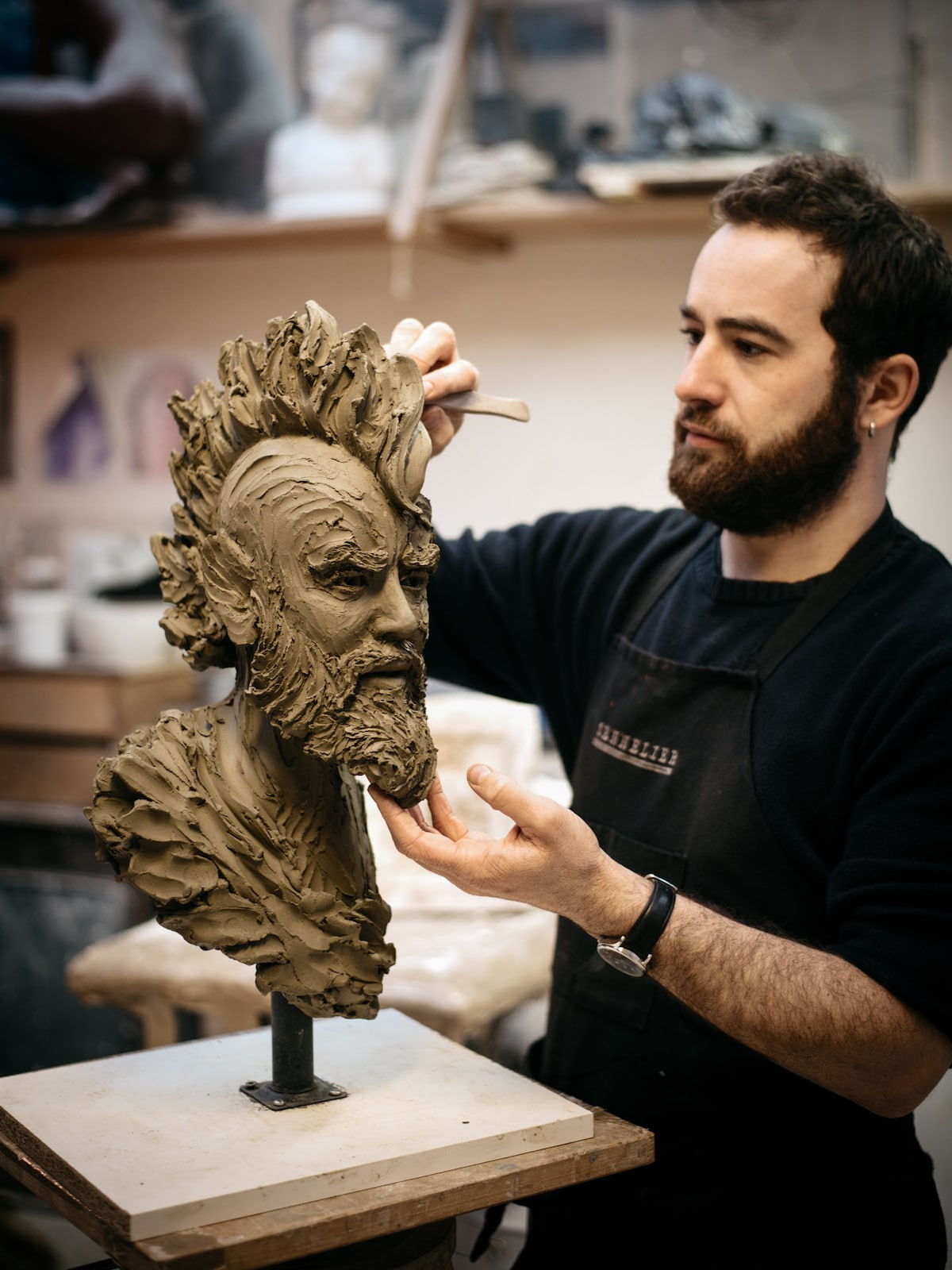
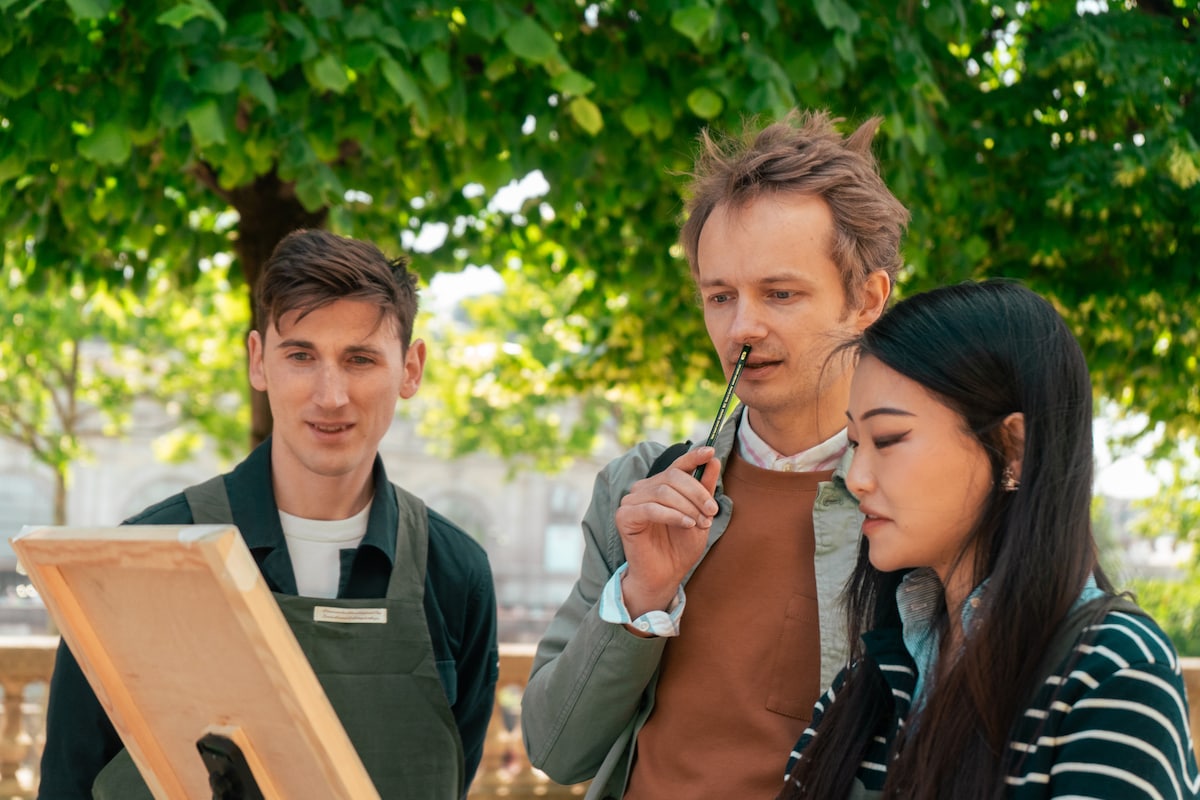
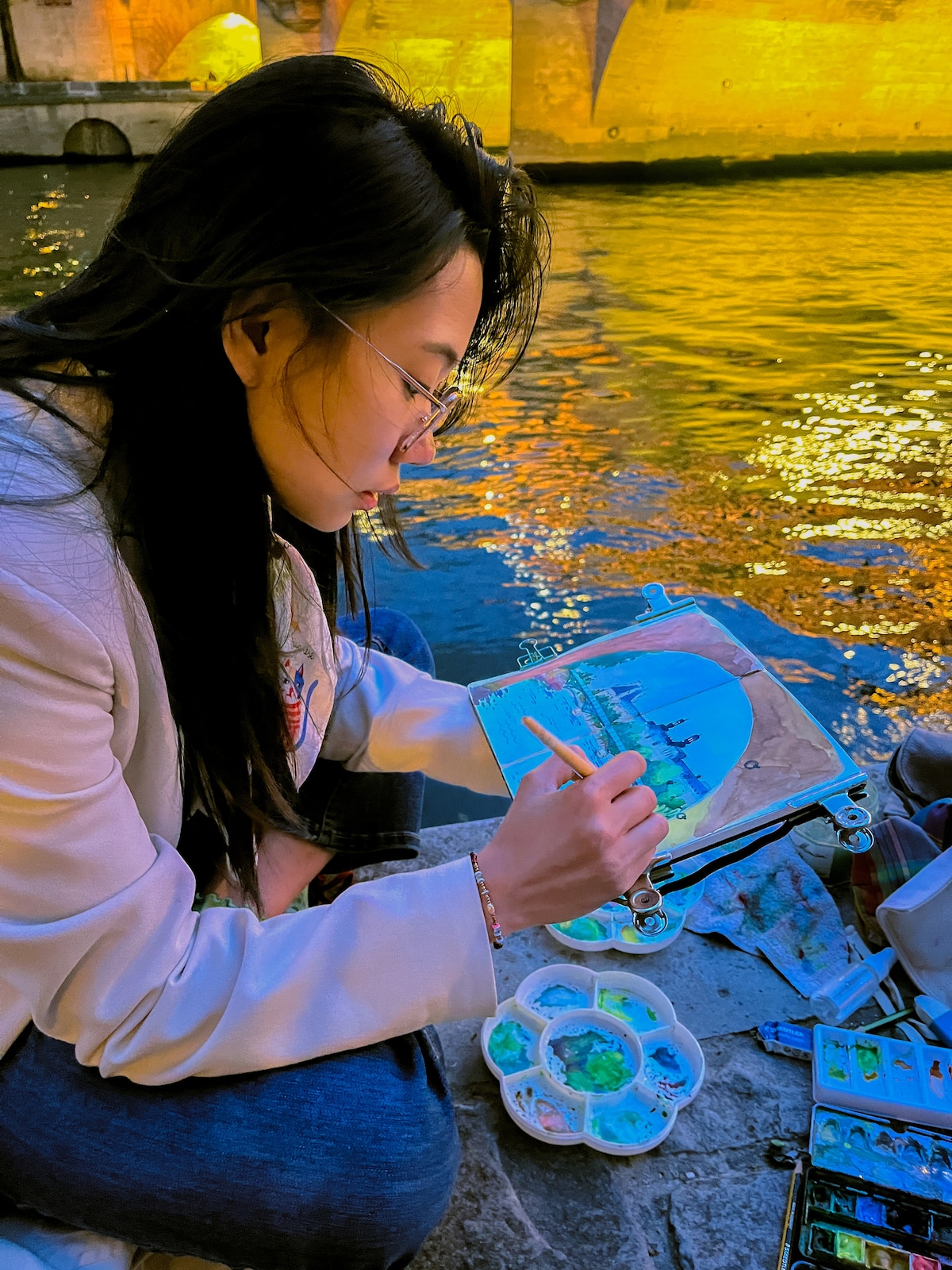
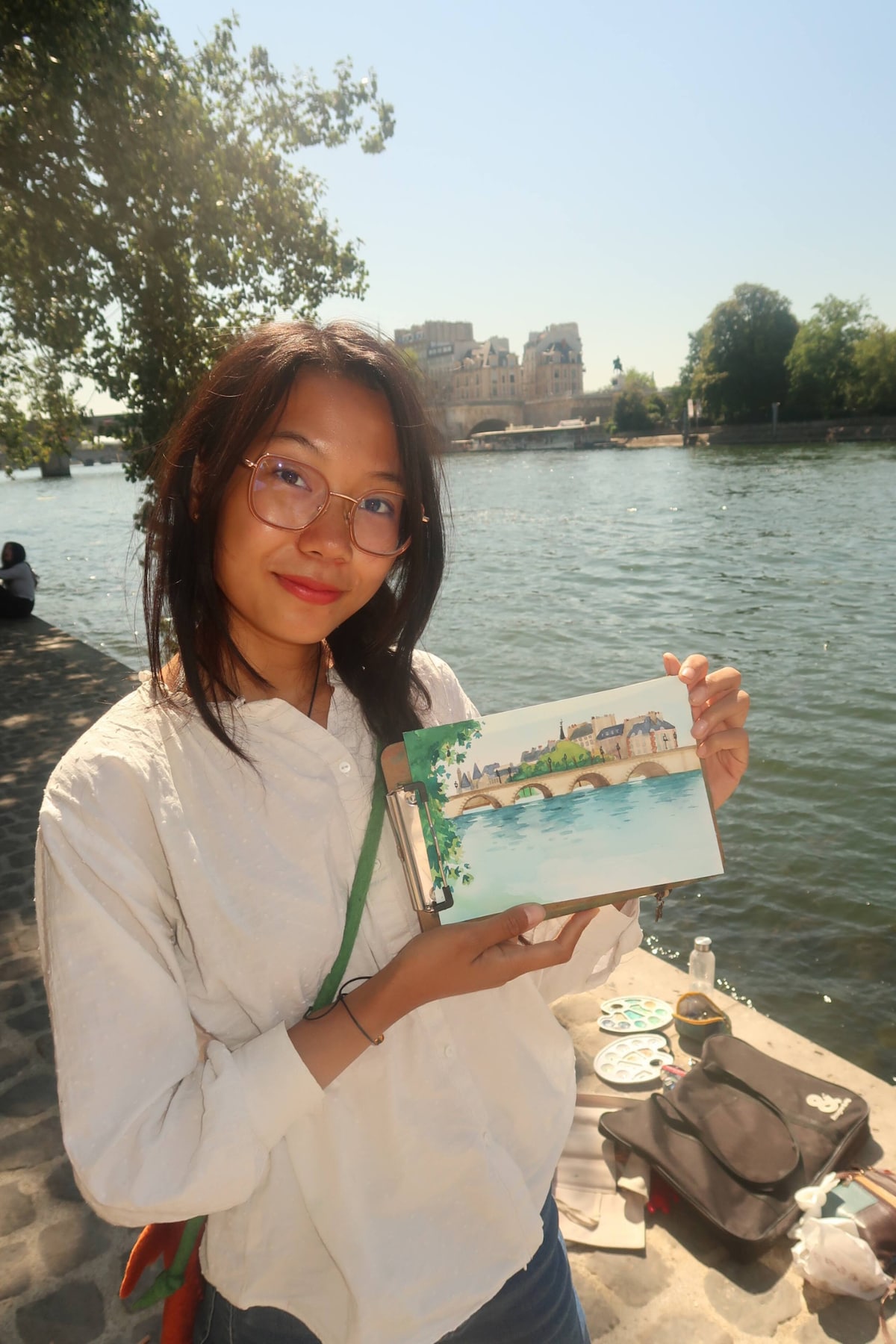
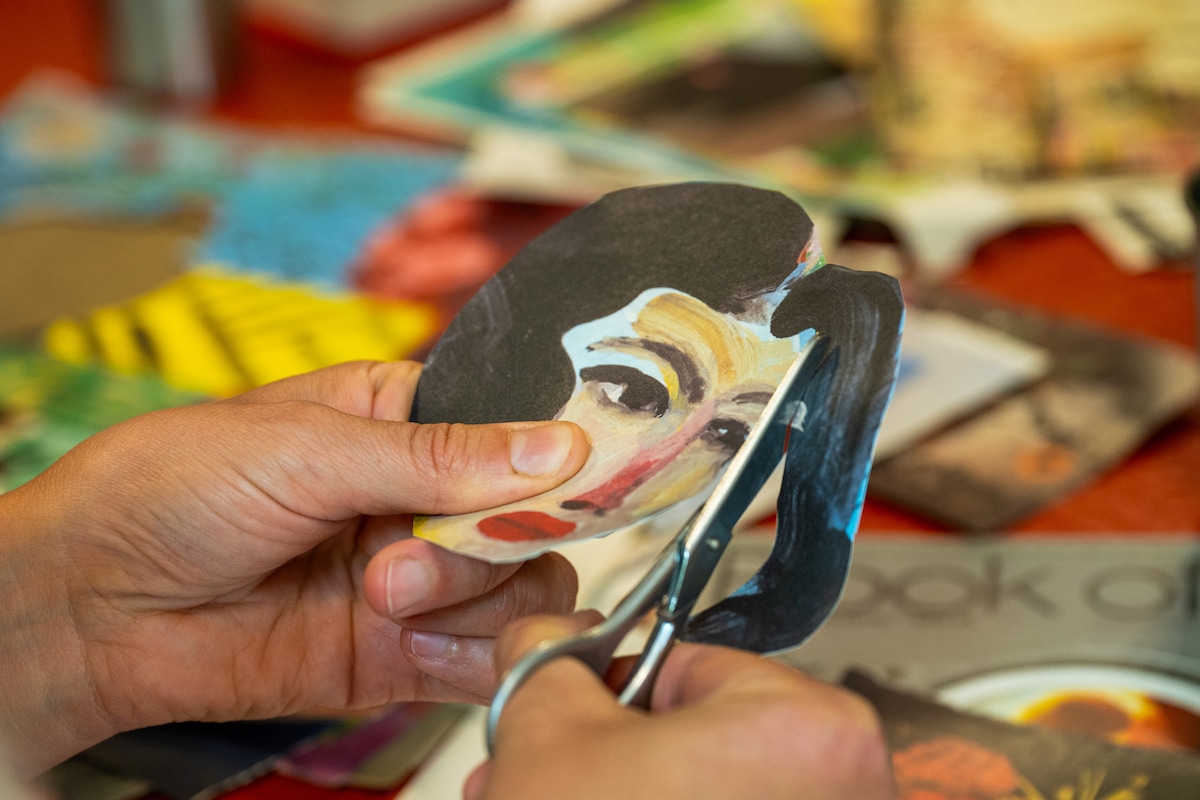
Local artists lead guided drawing, painting, and carving sessions in studios and streets across Paris, including in the artistic heart of the city, Montmartre. Learn from the masters carrying on a creative tradition that’s endured for centuries.

Seasonal workshop calendars
Many Paris workshops offer special sessions tied to the French calendar, with themes including Easter, Christmas, and Galette des Rois.

Perfume creation
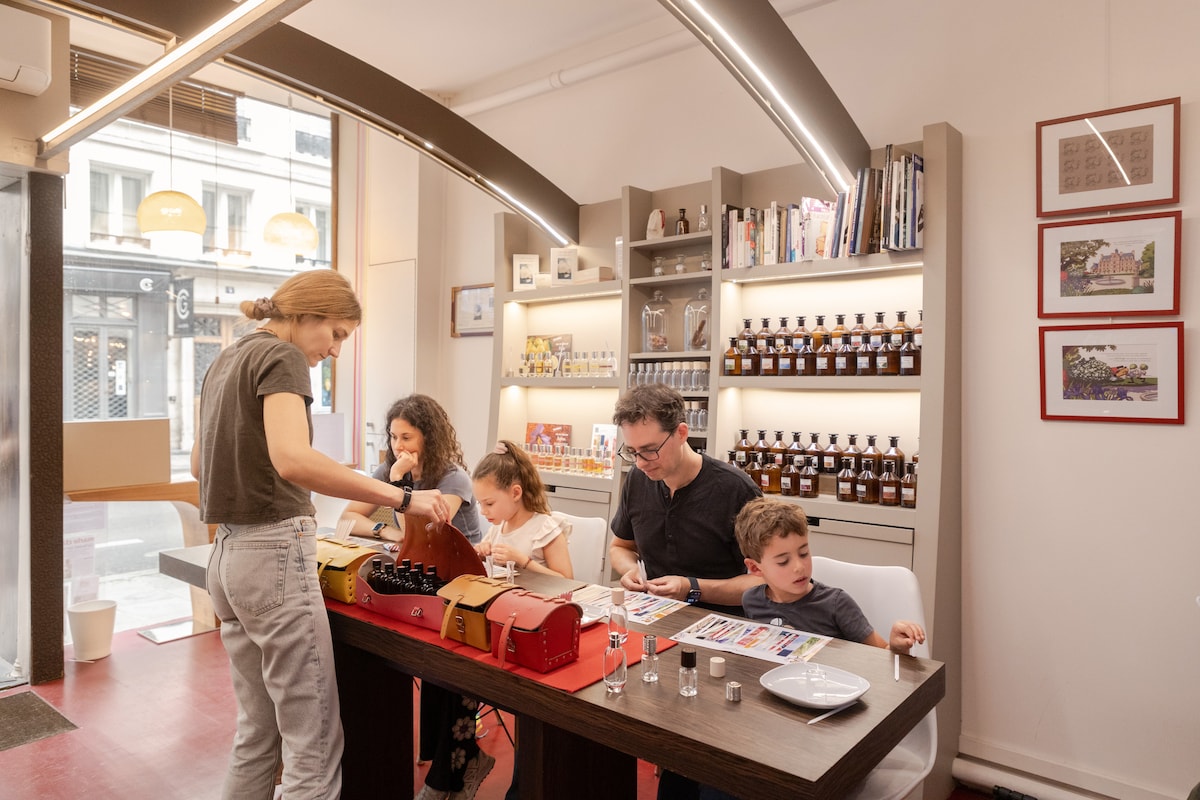
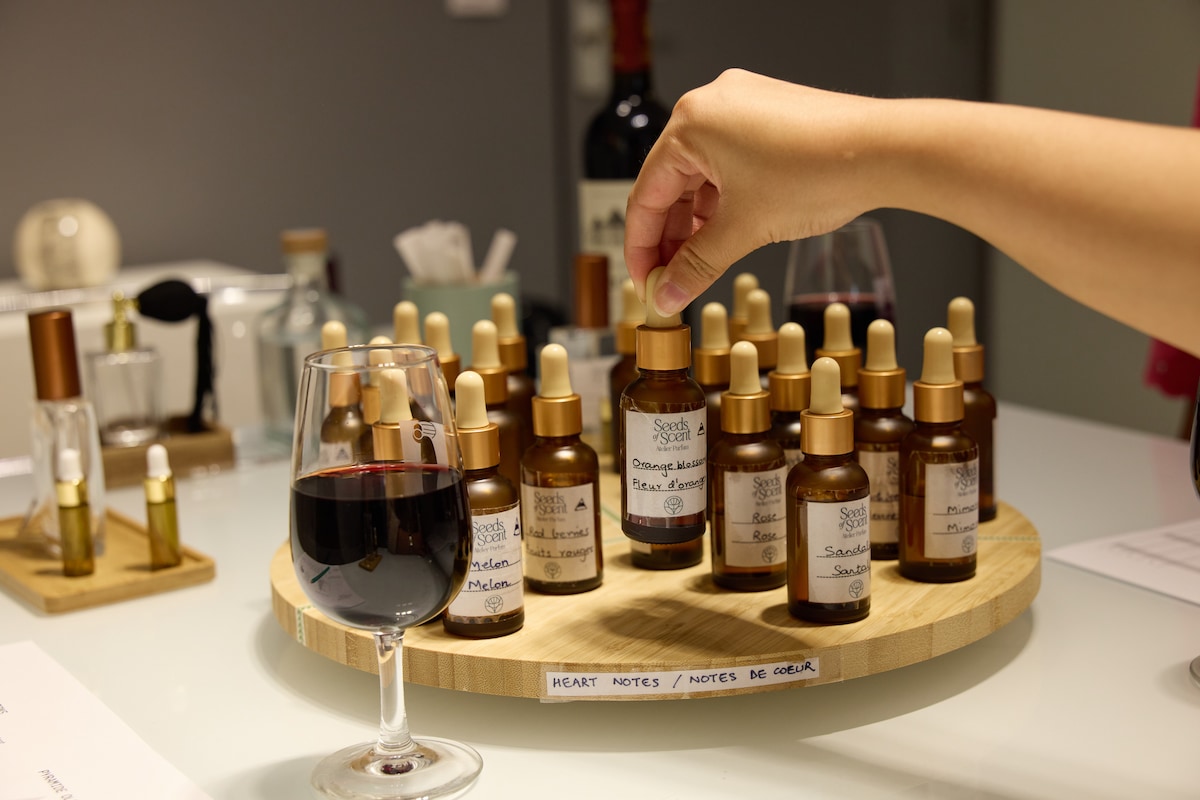
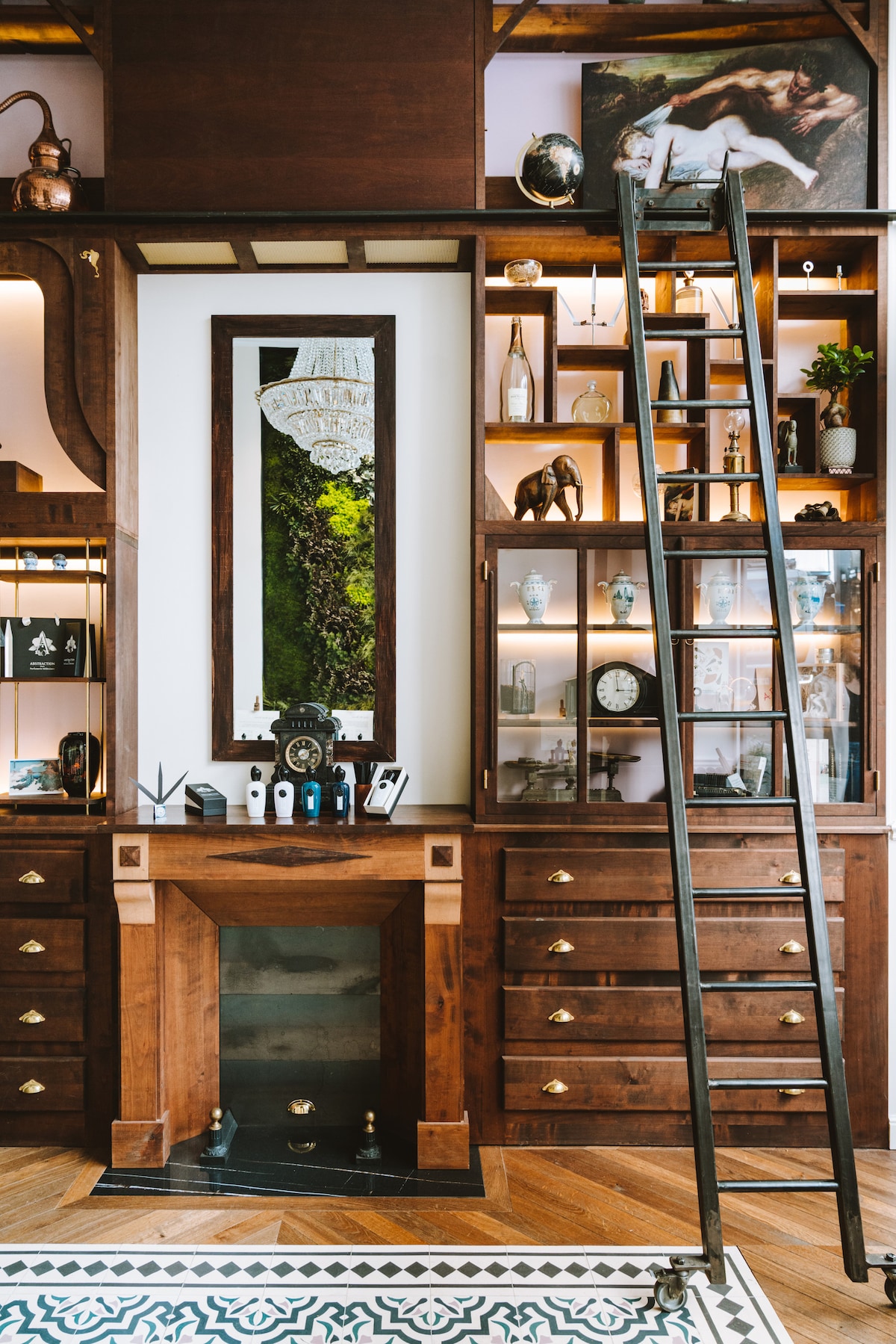
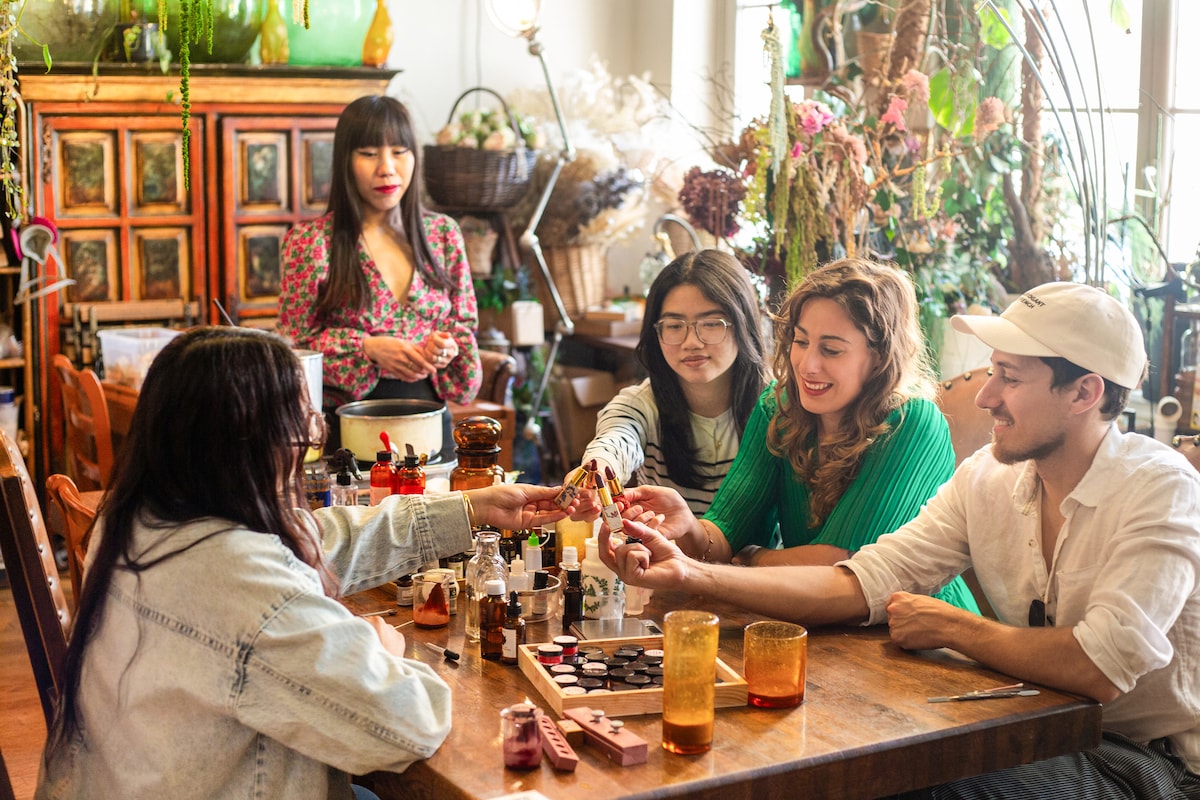
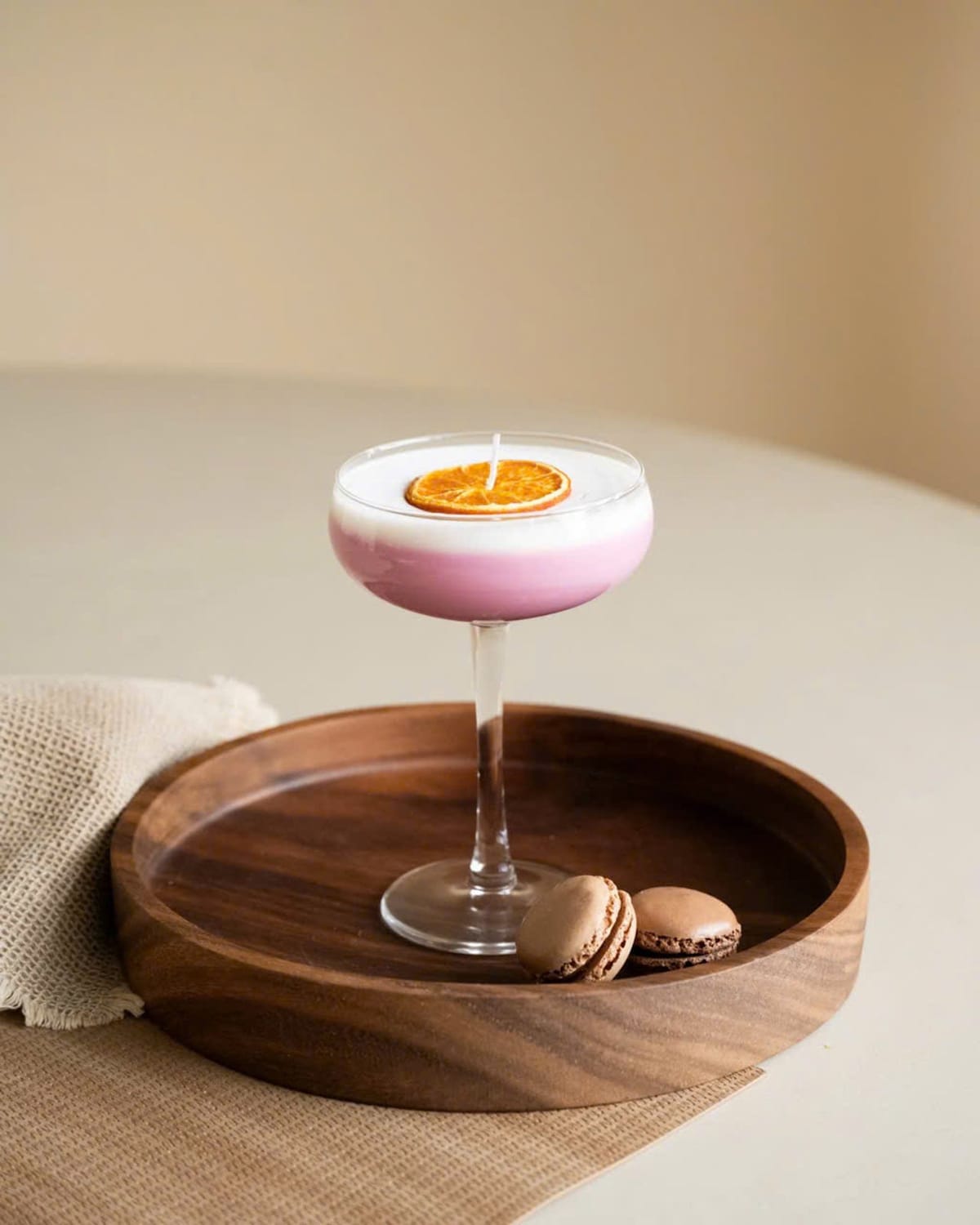
A perfume workshop in Paris lets you blend your own fragrance from raw ingredients, guided by professionals with deep roots in French perfumery. The process is unhurried, personal, and grounded in a generations-old tradition.
Workshops in Paris FAQs
Are art classes and workshops in Paris taught in English?
Yes, plenty are available in English. Many Airbnb Experiences in Paris, from cooking classes to perfume and ceramics workshops, are hosted entirely in English, so you can focus on creating rather than translating. Each listing shows the languages it’s offered in, making it easy to find and book a session in English and feel confident from start to finish.
Do I need to book my workshop in advance?
It’s a good idea to secure your spot before your trip. These hands-on sessions keep class sizes small so everyone gets personal attention from their host, which means availability fills up quickly. Walk-ins are rarely accepted for specialized classes like traditional croissant baking, so booking ahead helps make sure your experience goes smoothly.
Are there workshops in Paris suitable for children and families?
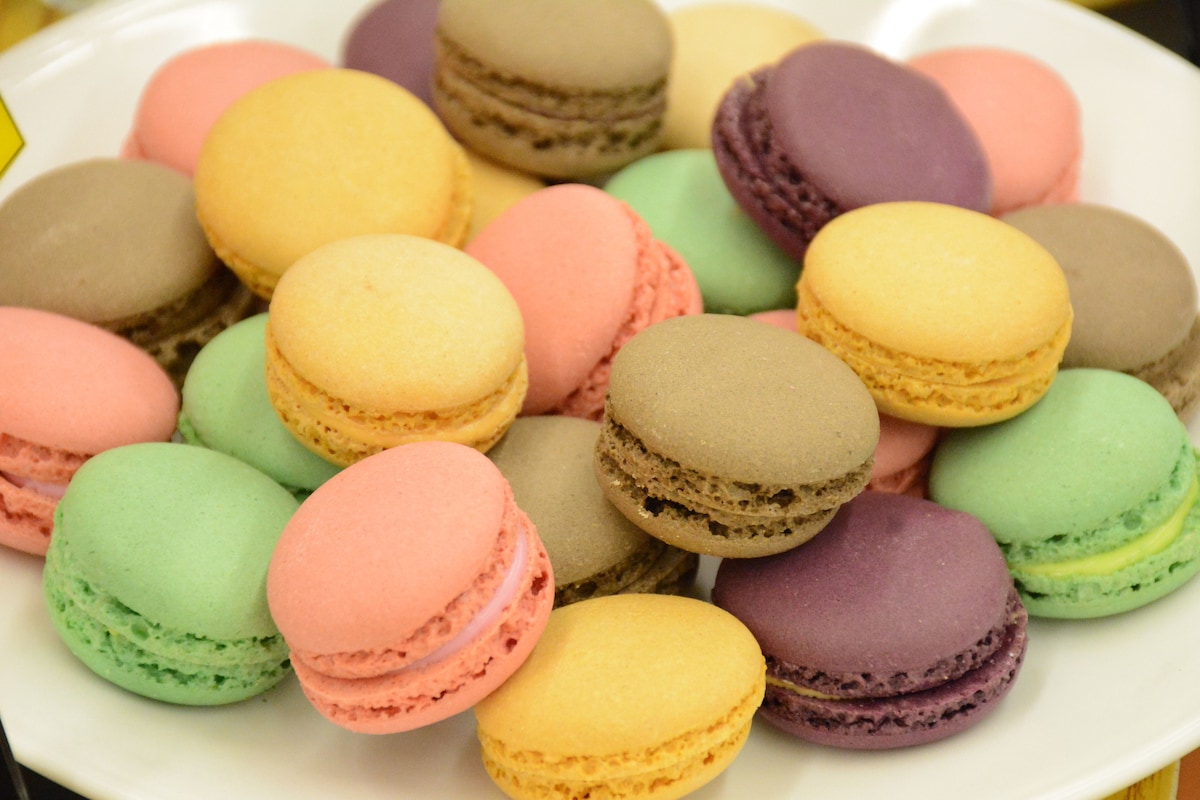
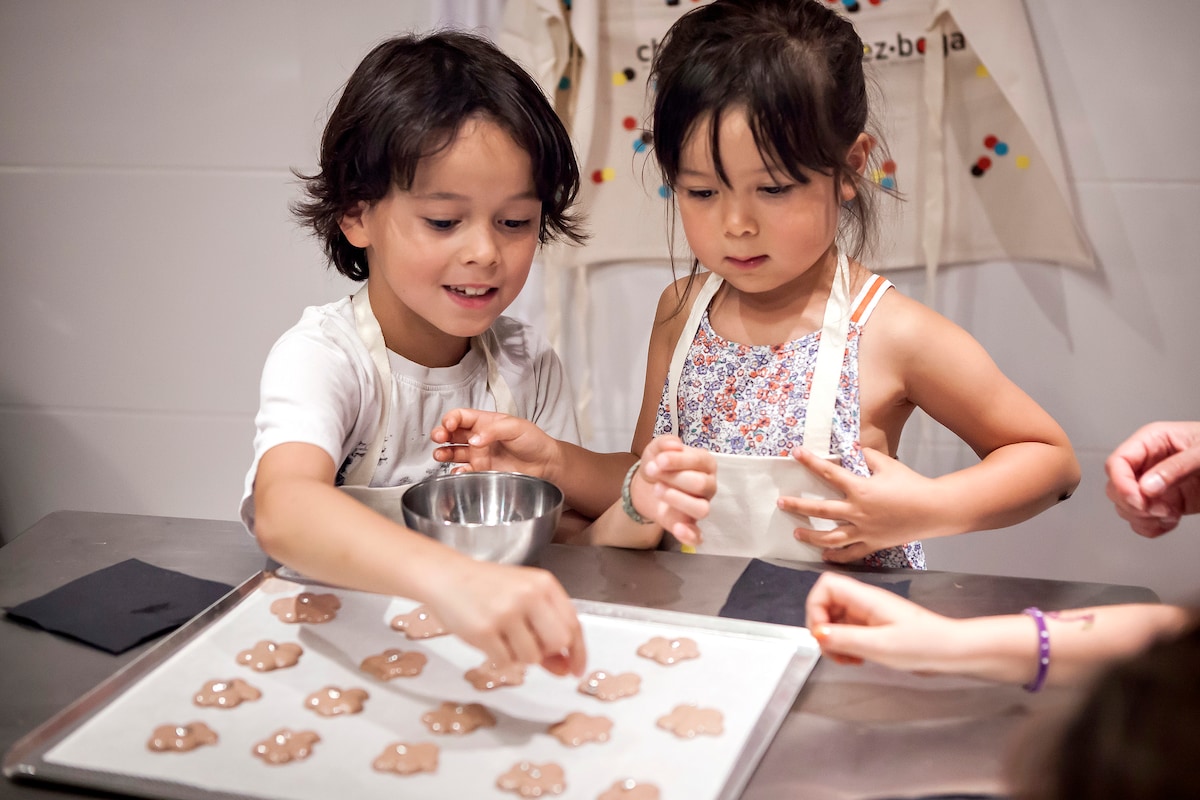
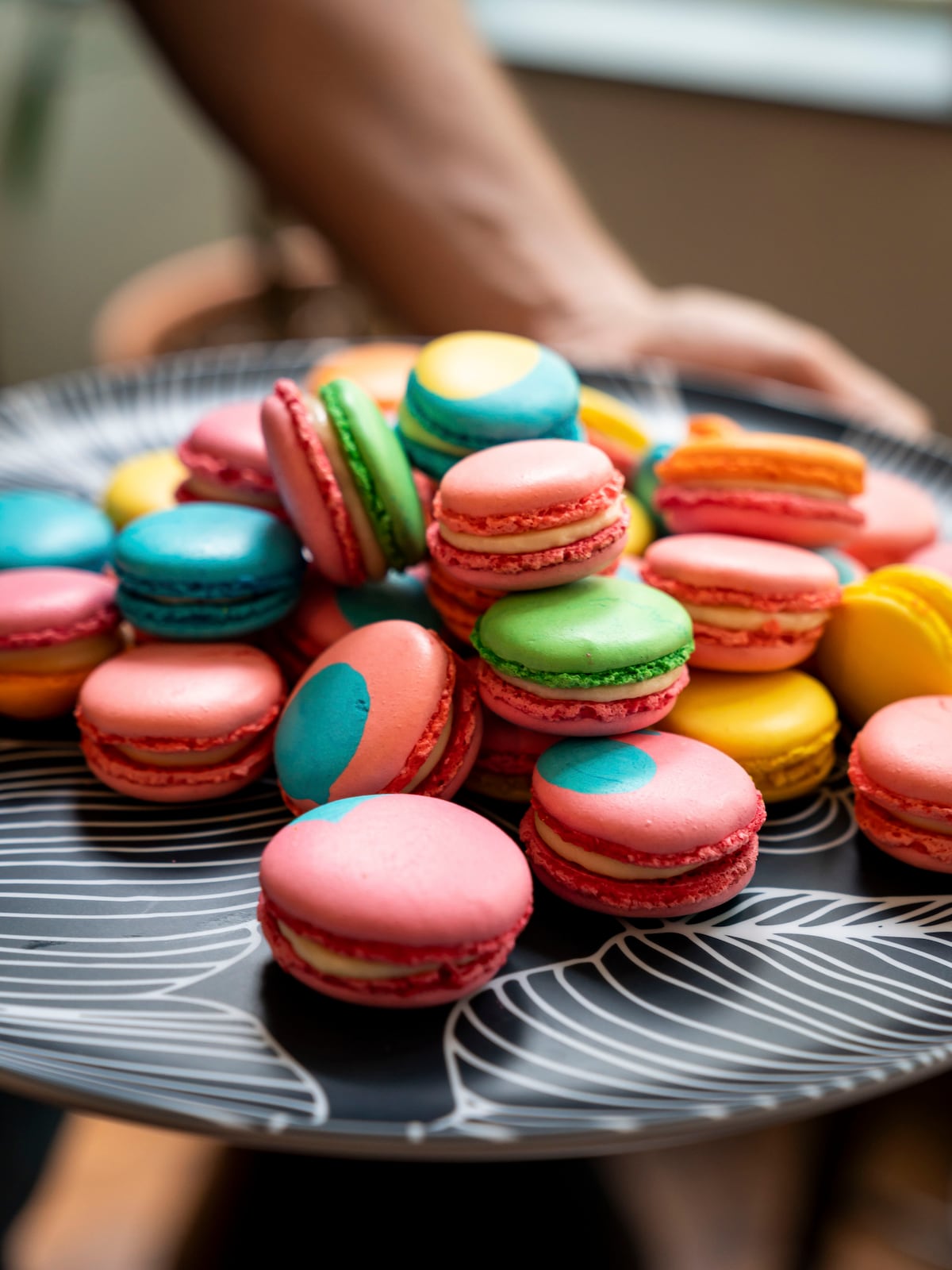
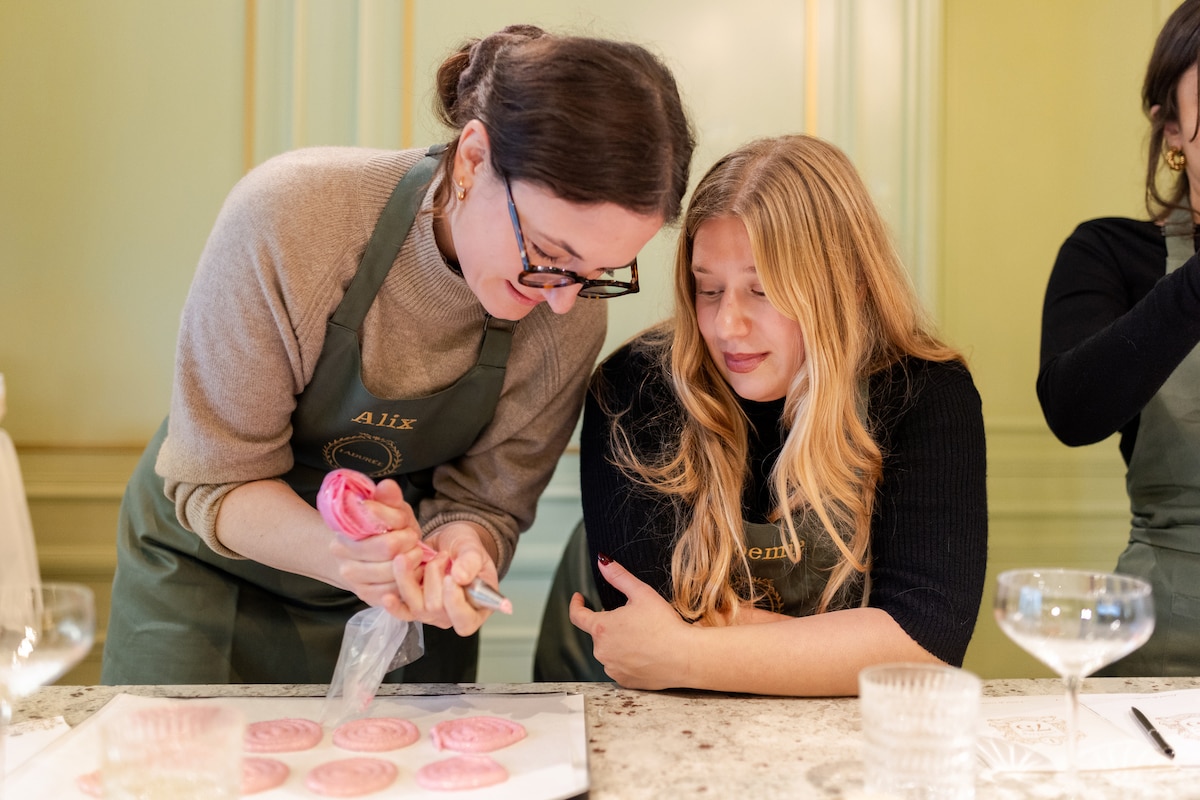
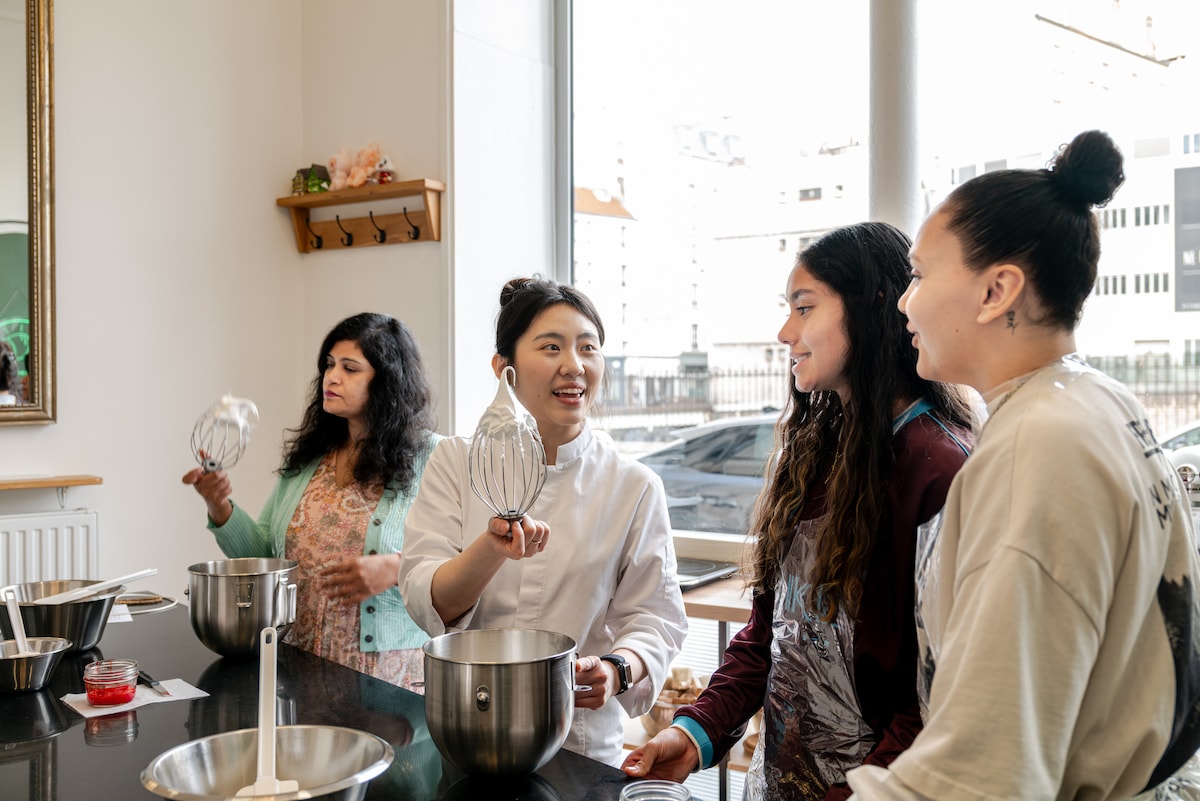
There are some wonderful options for families exploring Paris together. Many venues offer sessions designed specifically for younger guests, including family macaron baking classes and perfume-making workshops created just for kids. It’s a meaningful way to connect with Parisian culture and make memories that go beyond sightseeing.
How much do creative workshops in Paris typically cost?
Prices vary with the length of the session and the materials involved, but there are options for a wide range of budgets. As a guide, a two-hour workshop typically starts at around $20, with longer or more materials-heavy sessions costing more.
Are Parisian workshop venues wheelchair accessible?
Many modern and larger venues are fully equipped to welcome guests with mobility needs, offering step-free access and accessible restrooms. That said, some independent artisan studios are located in older, historic buildings that may have limitations. It’s always worth reaching out to your host directly before booking to confirm the details and make sure your arrival goes smoothly.
What should I wear to a DIY or culinary workshop?
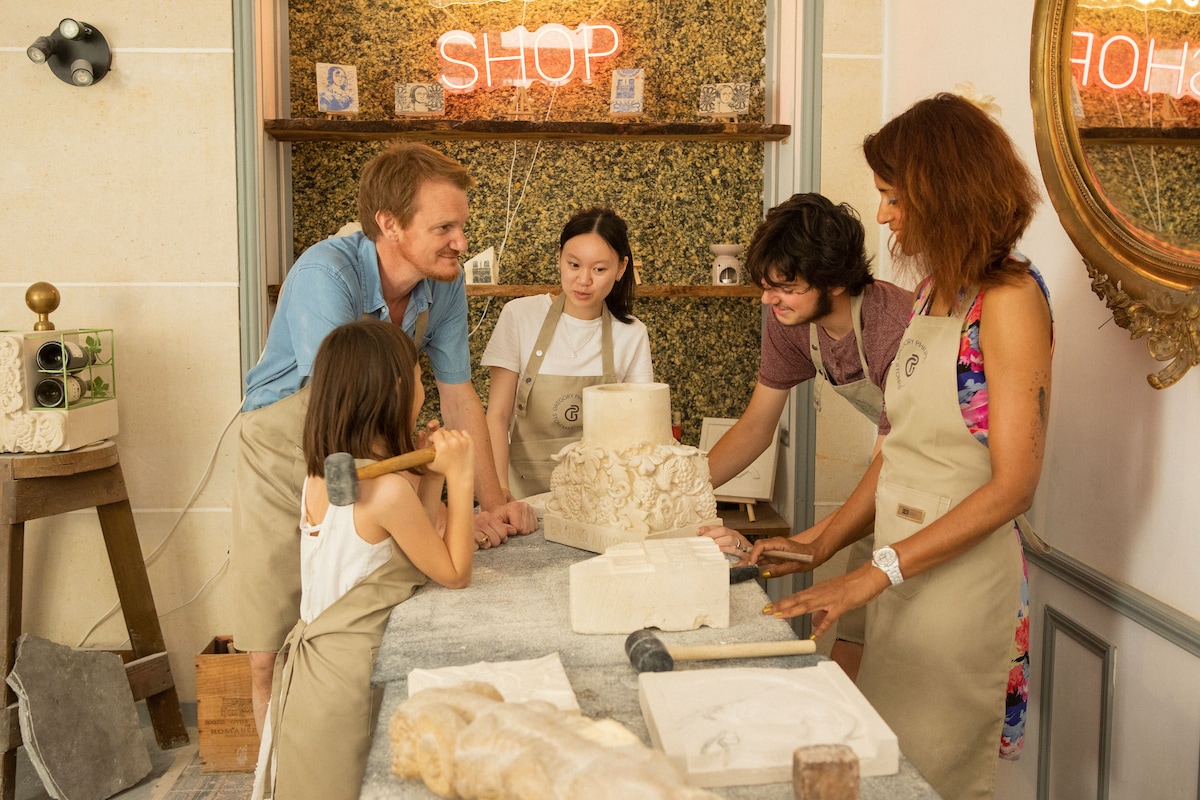
Comfort is your best guide here. Casual clothing you don’t mind getting a little messy is ideal, though your host will usually provide a protective apron. Closed-toe shoes are a smart choice too, especially if you’re stepping into a professional kitchen or taking part in hands-on activities like stone-cutting.
What kinds of traditional crafts can I learn in Paris?
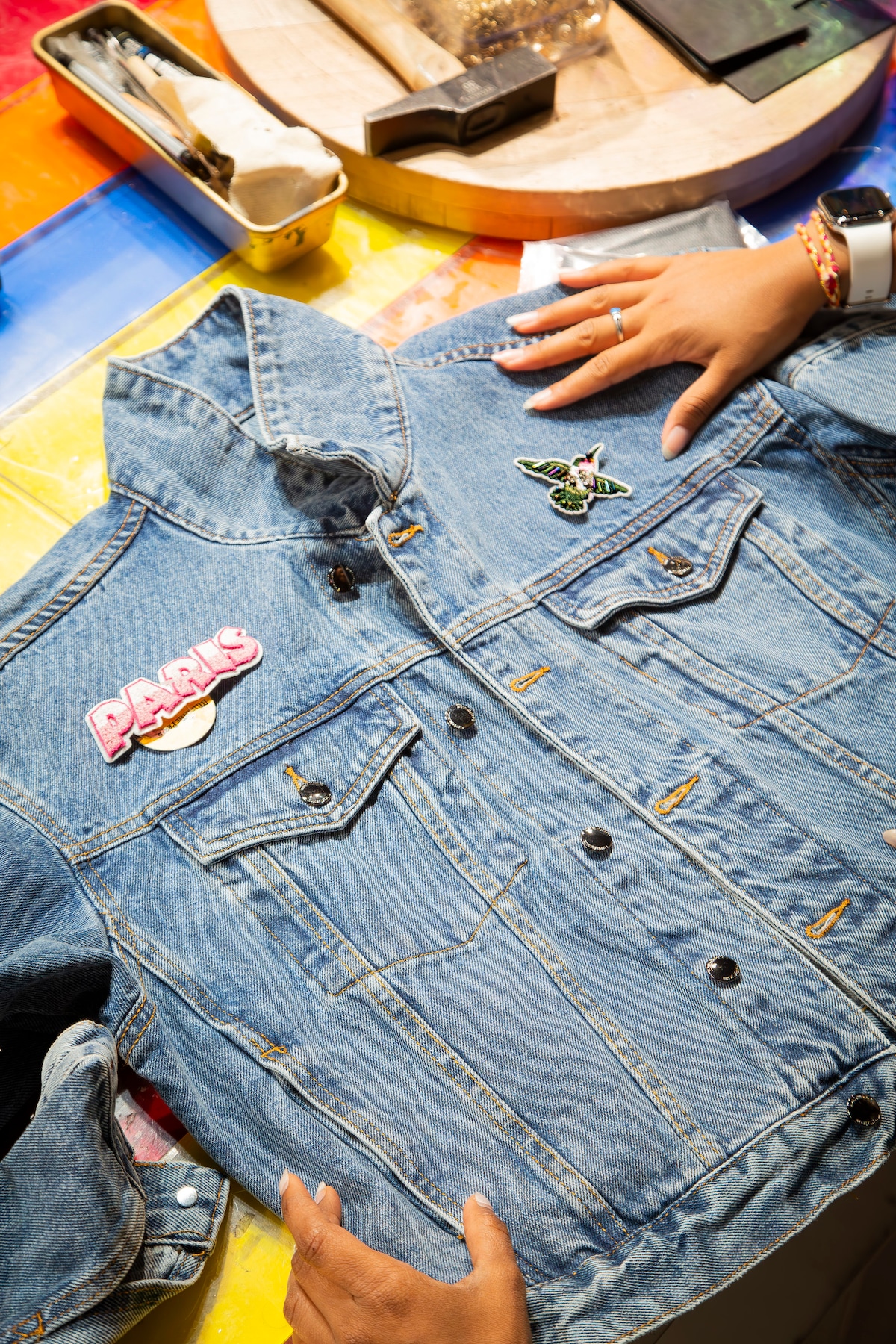
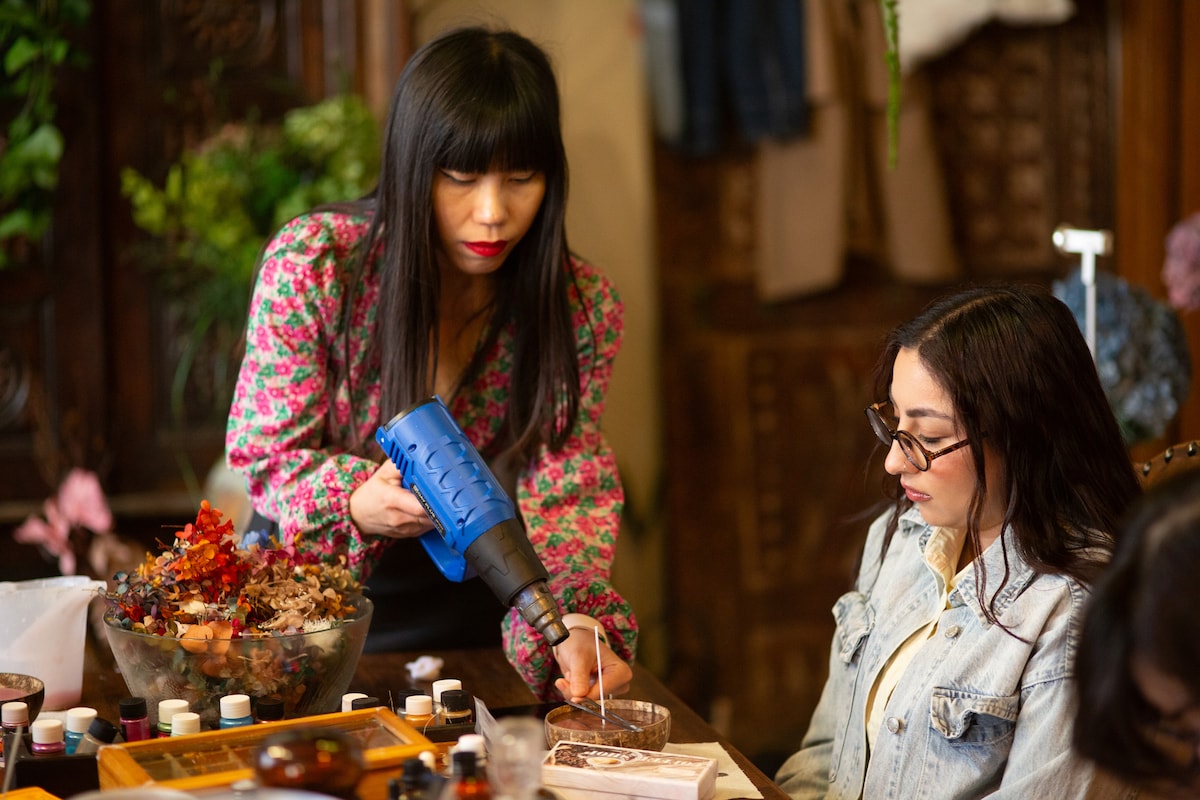
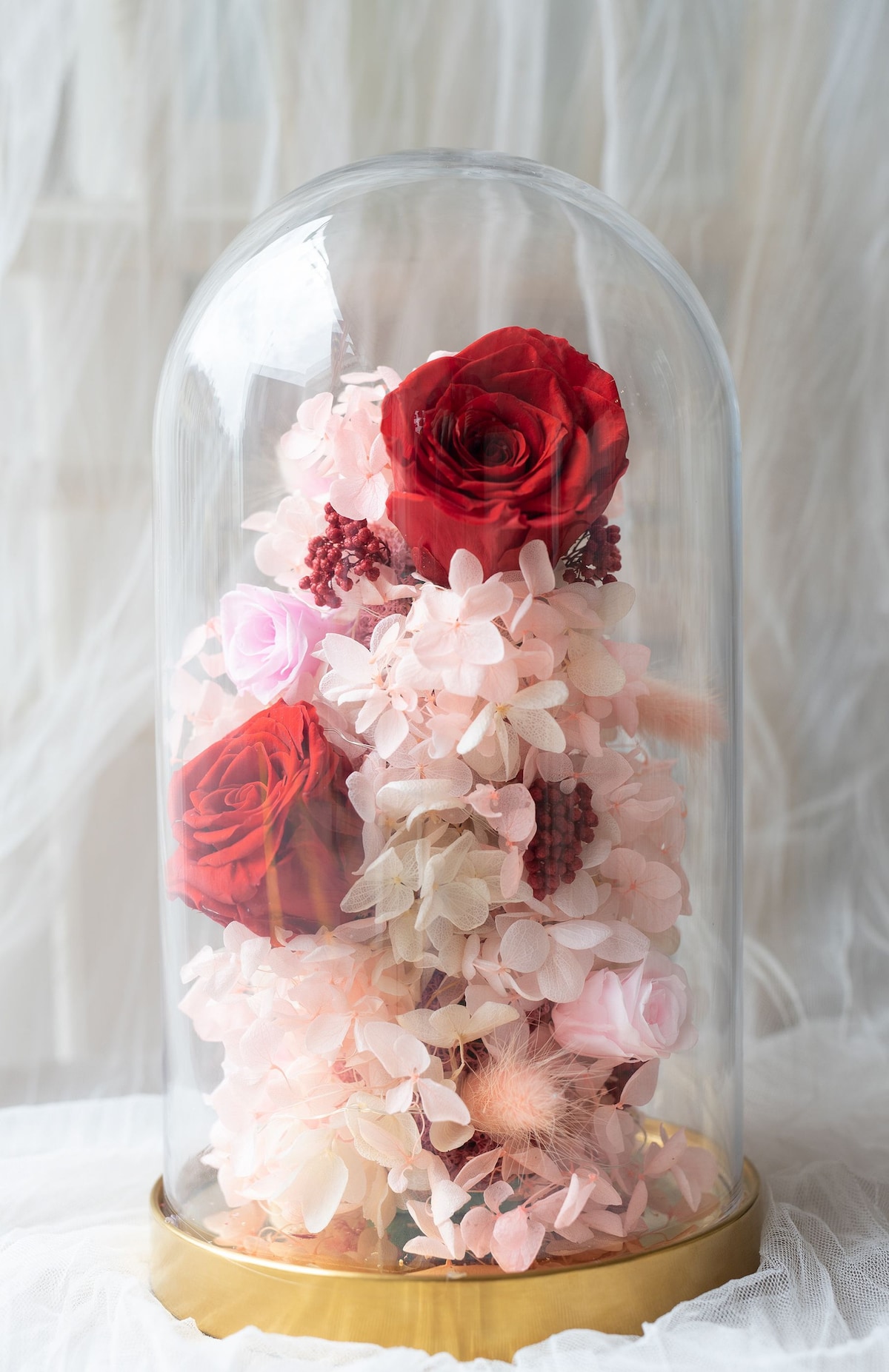
Paris offers a wonderful range of ways to connect with local artisans and learn traditional French skills. Beyond baking and perfumery, you can explore workshops on floral arrangement, woodworking, and delicate jewelry making. Seasonal sessions add even more options, from making tiny Christmas figurines to crafting a costume for Mardi Gras. Workshops offer a chance to move beyond the typical museum visits and discover the city through the artisans who call it home.
What happens if I am late to my scheduled class?
Workshops typically begin on time, and arriving late can disrupt the experience for everyone in the group. Some hosts have strict punctuality policies—certain perfumery workshops, for instance, may cancel your reservation if you arrive more than 10 minutes late. Giving yourself a little extra time to arrive, settle in, and meet your host is the best way to start your session feeling relaxed and ready.
Things to know before attending a workshop in Paris
Entry and dress code
- Book your spot in advance. Class sizes are small and walk-ins are rarely accepted.
- Wear casual clothing you don’t mind getting a little dusty or stained.
- Arrive early. Some hosts will cancel your reservation if you are late.
What to bring
- Bring your smartphone to verify your ticket and capture your creative process.
- Pack a reusable tote bag to carry your finished creation home.
- Wear closed-toe shoes, especially for woodworking or stone-cutting sessions.
Important information
- Many workshops are taught in English and French. Confirm languages when booking.
- Some historic artisan studios have narrow doorways or no elevator.
- Photography is generally welcome. Ask your instructor before filming.